The Quirkier, The Better: Why brand crossovers are about more than just product fit
With virality beating logic, brands decide to embrace chaos, culture and co-creation to stay relevant
 by
by
Published: Aug 4, 2025 8:50 AM | 3 min read
 Follow Us

The rules of brand marketing in 2025 have changed. Brands are going beyond category boundaries and logic in today's culture-first marketing environment in order to gain attention. And that's precisely why a little chaotic seems to be the concept. The chance of a collaboration becoming viral in real life has now become proportional with how bizarre it appears on paper.
Crossover marketing is having a major moment in India, and it’s the most unexpected pairings that are causing the biggest stir. The more unusual, the better. Today's brands are renouncing logic in favour of virality, whether it's an audio brand teaming up with a ramen shop to fast food chains joining forces with confectionery giants. This intentional decision to embrace chaos has evolved into a marketing tactic suited for a generation that is brought up on memes, mashups, and fleeting insanity.
These collaborations generate excitement, market cultural capital, and transform limited-edition drops into social currency in addition to selling goods.
Take boAt’s Naruto-themed headphones, for instance. At first glance, a homegrown audio brand collaborating with a decades-old Japanese anime might seem like an odd pairing. But dig a little deeper, and it’s a savvy nod to India’s growing Gen-Z anime fandom. From ramen-themed events to Naruto Runs with neighborhood running clubs, boAt's campaign combined immersive offline experiences with limited-edition product releases, turning them into more than just marketing strategies but cultural moments.
View this post on Instagram
Today, these brand crossovers are less about product fit and more about vibe fit. Whether it’s McDonald’s launching a Minecraft-themed Happy Meal complete with magical “Fry Helmets” and digital quests, or Kurkure teaming up with Ching’s to create a Schezwan Chutney flavour that fuses Chinese spice with desi crunch, marketers are ditching traditional reasoning in favor of virality-first thinking.
View this post on Instagram
The story only needs to be entertaining, click-worthy, and meme-worthy, it doesn't need to make sense.
View this post on Instagram
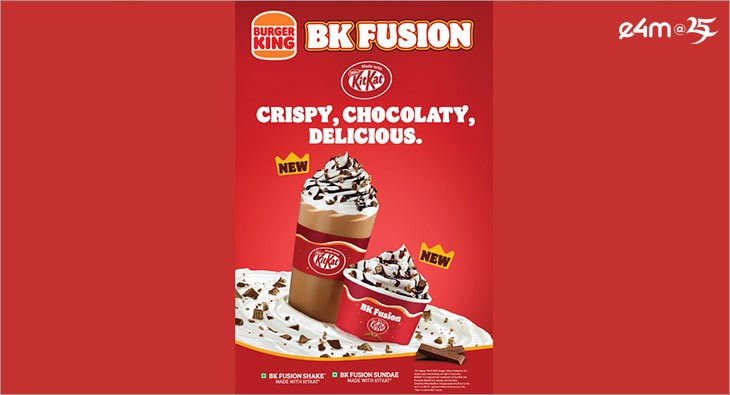
For brands, it’s now about tapping into what’s already embedded in popular culture. Take Burger King’s collaboration with Nestlé KitKat—not just a simple dessert pairing, but a strategic move to harness KitKat’s nostalgic charm and turn it into scroll-stopping content for food reels and social feeds.
The Fastrack x Mission Impossible eyewear stunt that was performed in PVR theaters is no exception. Rather than a traditional product launch, attendees were transformed into spontaneous models, and when the credits rolled, their pictures were displayed on the movie screen. It was interactive for the crowd. It left a lasting impression on the brand.
Beneath this chaos, borrowed coolness is becoming more and more popular. In an effort to rapidly form a brand image with recall value, lesser-known or more approachable firms are increasingly collaborating with cultural events or historical legends.
These collaborations win attention by strategically appealing to the key characteristics of Gen Z's digital behavior of screenshot culture, shareable quirkiness, and a penchant for the unexpected.
As these crossovers gain traction, the distinction between co-creation and co-branding is becoming increasingly blurred. It's about creating cultural moments that endure and spread quickly, not just slapping two logos together. The playbook for cross-branding has been revised. It wins today if it's odd, limited, and makes you think twice.
Read more news about Marketing News, Advertising News, PR and Corporate Communication News, Digital News, People Movement News
For more updates, be socially connected with us onInstagram, LinkedIn, Twitter, Facebook, YouTube & Google News
