How brands are blending into virtual worlds of video games
From Monster Energy in ‘Death Stranding’ to Mentos in ‘Fortnite,’ brands are evolving beyond ads into immersive gameplay experiences that resonate with modern gamers
 by
by
Published: Jul 24, 2025 7:49 AM | 7 min read
 Follow Us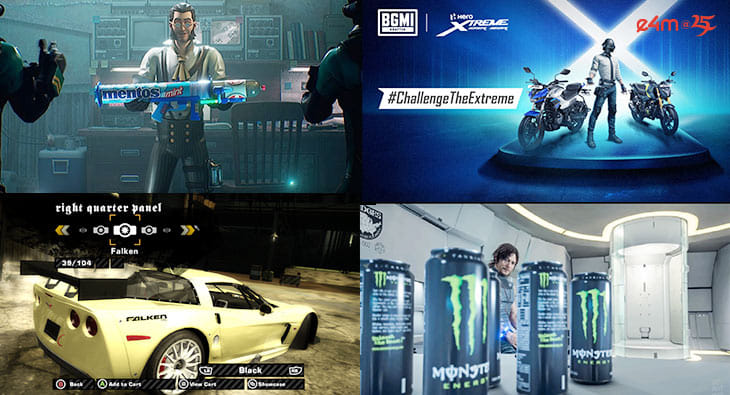

As gaming goes mainstream, it’s becoming a high-impact playground for brands. Static billboards are out; immersive, story-driven integrations are in. From Monster Energy in Death Stranding to Mentos as a weapon in Fortnite, brands are no longer just buying space, they’re shaping experiences. With India set to hit 650 million gamers by 2026, in-game advertising is now a serious brand play.
For instance, the first PS4 release of the Kojima Production’s ‘Death Stranding’ finds the protagonist Samuel “Sam” Porter Bridges drinking a can of Monster Energy Drink to restore his health back to normal. The Monster Beverage Corporation placed their ads in such a way that it doesn’t disrupt the overall gaming experience of the player.
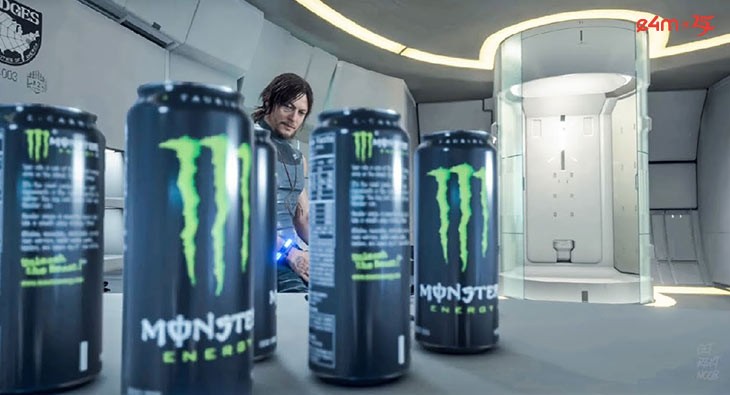
The cans were featured quite frequently in the gameplay, which resulted in a stock price jump for the beverage on the day the game hit the store shelves in 2019. The harmonious profit that the two companies experienced was the result of appropriate product placement. Makes both the gaming and consuming experience better.
First Steps For Brand Recognition
In-game billboards now change according to the location the player is based out of, which brings in extra flexibility to the brands and their advertisers. The previously popular static billboards were burnt into the game’s code itself, which couldn’t be changed until a new edition of the game was released. Brands can now approach the game development studios to replace their advertisements as per the new launches. Product rollouts can now be integrated into the popular games that are making big numbers in the market. Bigger the game’s reception, more revenue the studio would charge for the in-game advertisements, better the brand’s reach.
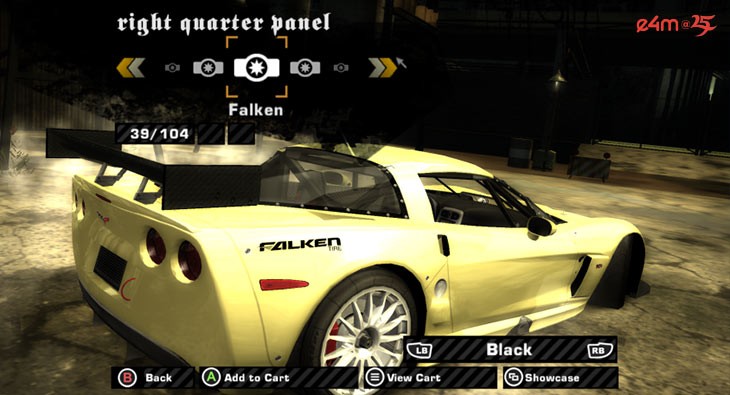
Video games in the early 2000s had brand names and logos integrated seamlessly into the games. The high-intensity ‘Need For Speed: Most Wanted’ developed by Electronic Arts Studios had the logos of automobile tuning companies as decals and stickers that players can put on their selected cars in the game. It involved brands like Castrol, BBS, and Audiobahn that chose to sponsor the critically-acclaimed game back in 2005. For a new player back in the 2000s, this acted as a starting point for them to recognize these brands. This move also solidified the automobile-tuning culture among the youth who later relied on these brands for their cars.
These traditional methods have advanced and transformed into numerous other interactive methods that find the gamers involved in them too. Players who livestream their gameplay on popular platforms like YouTube or Twitch are approached by brands that fit the game’s context and have the streamer mention or “shoutout” the brand as their sponsor for the livestream. These mentions help in successful brand recognition and also aid the brand to roll out new launches through popular streamers.
In-Game Ad Placements In The Indian Scene
Following similar trends, the Indian gaming industry has also modified its ad placements to offer seamless gaming experiences to the players. The Interactive Entertainment and Innovation Council (IEIC) in a partnership with WinZO launched the India Gaming Report in 2025. The report primarily highlights Indian gaming industry’s fundamentals, resilience, and the entire gaming sector’s role in driving the digital economy growth along with content creation and further employment opportunities. This also strengthens the foundation on which the advertising agencies would later thrive on by developing further innovative methods to connect brands with the potential consumers.
Roland Landers, the CEO at All India Gaming Federation (AIGF) said, “The newest strategies being adopted across the industry aim for seamless integration; ads are becoming a natural part of the gaming environment rather than external impositions. This includes ad placements within virtual environments, rewarded ad formats that offer in-game incentives, native audio ads delivered during non-interactive moments, and immersive branded experiences woven into the storyline or in-game assets.”
Rohit Agarwal, the Founder and Director of Alpha Zegus says “For Indian audiences especially, this opens up exciting storytelling possibilities. Imagine a Swiggy drone in a futuristic Indian battle royale game, or Amul ads on virtual cricket stadium hoardings – it’s not just branding, it’s cultural placement. With over 650 million gamers expected in India by 2026, these contextually rich brand integrations could become one of the most powerful ways to drive recall and relevance across generations of digital-first consumers.”
Agarwal further added to the transformation of in-game posters and hoardings by saying, “Racing games now feature real-world brand logos on tracks and cars, while open-world games allow for storefronts and posters that mirror actual brand campaigns. Additionally, platforms are enabling non-intrusive ad placements within AAA and mobile titles alike, driving viewability rates of over 95% without disrupting gameplay.These innovations are crucial as gamers increasingly reject disruptive ad formats like pop-ups or forced video breaks.”
Mechanics Inspired By Brands
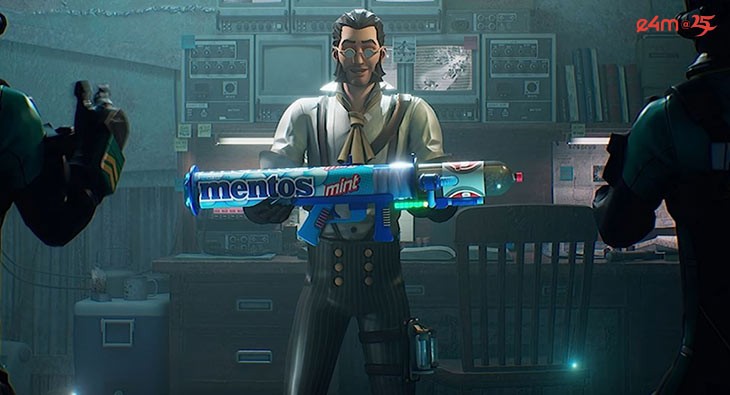
Nimish Raut, the Global Head for Esports in Partnerships and Special Projects for NODWIN Gaming also shared that “A great example is Mentos’ “Mentos Fizzooka” integration in Fortnite. Instead of placing a static logo or banner, they introduced a weapon inspired by the viral Mentos-Coke experiment. This not only aligned with the platform’s tone and community culture but actually became a playable mechanic, enhancing both the fun and strategy of the game. That is the future brand experiences that feel native to the game environment.”
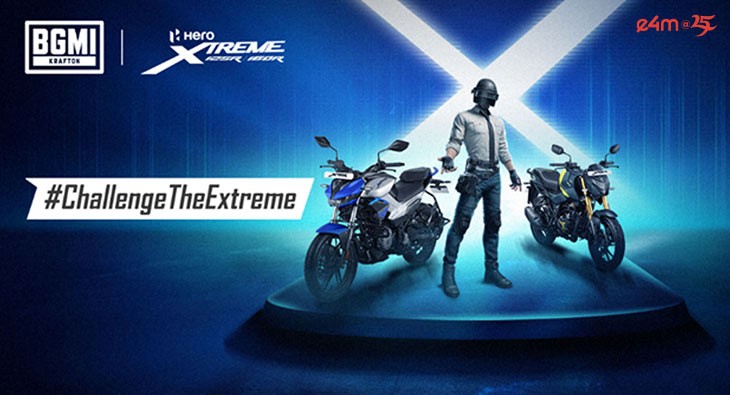
Raut also mentioned, “On the flip side, brand placements that feel forced or out of place can completely disrupt immersion. Placing a Hero motorcycle inside a title like BGMI, which has a gritty, post-apocalyptic tone, feels tonally off. The aesthetics and physics of the game do not align with a 150cc commuter bike. In a world where characters are battling it out with heavy artillery, they are more likely to ride an all-terrain bike or a high-performance vehicle, not something you would see on your morning commute.”
“That is where brand logic and creative common sense come in. It is essential to ask why your brand is in the game and whether it actually makes sense within the universe of the game. Without that, the integration feels gimmicky and breaks the fourth wall for players,” Raut added.
Pravan Parikh, the Co-Founder and Product Lead of Dirtcube Interactive says that “Smart brand integrations blur the lines between the real and virtual in ways that feel immersive, not invasive. Monster Energy in Death Stranding wasn’t just product placement; it became part of the character’s survival narrative. That’s the kind of layered integration today’s gamers appreciate.”
NODWIN Gaming’s Raut encapsulates it by saying, “In essence, for a brand to succeed in this space, three things need to be right. First, the brand must fit aesthetically into the game world. Second, it must add value to the players, the gameplay, and the community. Third, it must feel like a native part of the virtual environment, not a copy-paste from the real world. When these align, the real and virtual worlds blend beautifully.”
Gaming now plays a major role in the media landscape in India, making up 29.6% of the new media market. It is currently valued at $12.5 billion (about Rs 1.04 lakh crore) putting it ahead of OTT, audio, animation, and social media. Globally, the gaming industry is worth around $300 billion, which is more than the combined value of the movie and music industries. These numbers make brands turn towards the sector, aiming for better ad placements and collaborations.
Read more news about Internet Advertising India, Marketing News, PR and Corporate Communication News, Digital Media News, Television Media News
For more updates, be socially connected with us onInstagram, LinkedIn, Twitter, Facebook YouTube & Google News