'Trusting youth to shape the brand is daunting, but it works'
At a panel discussion on day 1 of the Goafest 2025, some of India’s leading voices reflected upon how younger generations think, interact, and influence the marketplace
 by
by
Published: May 23, 2025 2:07 PM | 5 min read
 Follow Us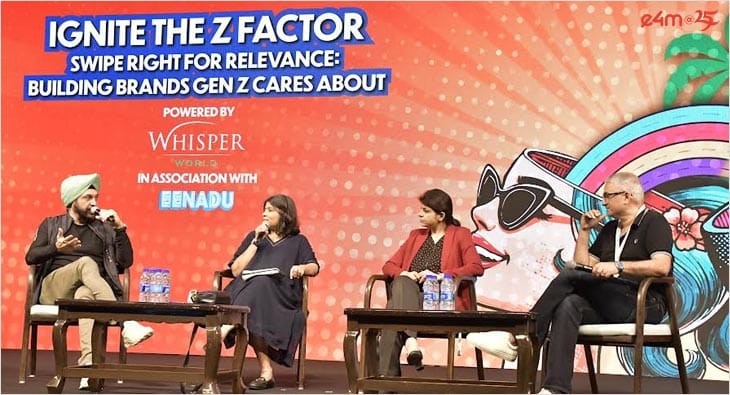

The Gen Z and Gen Alpha generations are reshaping how brands engage, communicate, and build trust. At a panel discussion on day 1 of the Goafest 2025, some of India’s leading voices in media, music, and consumer brands shared their insights on "Swipe Right for Relevance: Building Brands Gen Z Cares About" and reflected upon how these younger generations think, interact, and influence the marketplace.
Opening the panel with an observation about the cultural gap that often exists between generations, Vikram Mehra, Managing Director of Saregama India, shared, "We own this channel called FilterCopy, primarily targeting the 16 to 25-26 age group, and the content deeply reflects the generational clash. The latter wants to relate to content that is real and raw. Unlike previous generations, who were raised to keep quiet about their struggles or avoid uncomfortable conversations, Gen Z insists on discussing everything openly - sexuality, politics, environment, they want a conversation."
Upon being probed by session chair Anuradha SenGupta, Independent Journalist and Producer, on whether this constant engagement might be superficial. Mehra responded, saying it is not superficial. He further added, “I believe it’s very deep. For Gen Z, discussing things openly is fundamental. When creating content, we go into these layers. Look at the music scene today: ten years ago, Millennials cared more about melody and composition, but now, the lyrics are what truly resonate. Songs with meaningful, relatable lyrics outperform purely catchy tunes. This reflects the depth Gen Z seeks."
Adding to this, Amarjit Singh Batra, Managing Director of Spotify India, shared how this awareness manifests in the broader cultural landscape and said "Gen Z is more aware and demands substance. They’re ready to challenge ideas and appreciate deeper conversations. In fact, innovation thrives on such challenges - it's the ability to question authority and norms that leads to progress. This generation doesn’t just passively accept brand messages; they fact-check, hold brands accountable, and expect authenticity. Brands can’t just create campaigns that superficially appeal to Gen Z; they have to live their values authentically, or Gen Z will see through it and move on."
He continued, emphasising the importance of this cohort and added that Gen Z is the most important segment to win as they are early adopters and then they become trendsetters, influencing their friends and families. “At Spotify, we work closely with brands to reach this audience, not just as listeners but as culture drivers. Music is deeply embedded in their identity, and brands want to connect meaningfully with them through our platform," he further explained.
When asked about the pressure on brands to be authentic, Geetika Mehta, Managing Director of Nivea India, noted the shift away from traditional advertising and added, "Gone are the days when simply putting a celebrity in a TV ad was enough. Gen Z values authenticity over aesthetics. If a brand looks good but doesn’t feel real, they won’t buy it. For example, we engage with young people directly through initiatives like our ‘Nivea Soft Fresh Batch’, where college students also go through content creation workshops. Gen Z don’t just shop online, they live online. We must meet them in their world and constantly evolve our approach.”
She further emphasised that brands must go beyond products and core offerings because this demographic wants brands to stand for causes like sustainability and social connectedness. She said, “These issues are non-negotiable now. Brands must connect in a way that resonates with their values."
Sengupta urged the panellists to compare past and present approaches to marketing to this age group. Responding, Mehta shared, "Twenty years ago, we wouldn’t have involved hundreds of influencers or co-created brand stories with young people. That is scary - handing over your brand to so many voices. But now, it’s essential. Younger brand managers, many from Gen Z themselves, are driving these decisions today. It means letting go of control and trusting the youth to shape the brand. It’s daunting, but it works."
Mehra echoed this sentiment about letting go of traditional control to truly connect with younger consumers and added, "The hardest lesson is learning to let go. As senior leaders, we can’t pretend to understand Gen Z fully. For instance, at Saregama, no one above 30 picks the music we buy anymore - that’s officially mandated. The songs we, as older people, like don’t resonate with the younger generation. So, we empower younger talent to lead creative decisions while senior leadership handles business strategy. It’s a necessary division.” He reiterated how business decisions are backed by experience, but creative and cultural calls are entrusted to those under 30, as it’s about balancing experience with fresh and authentic insights.
Batra added a final note on the evolving media landscape and the importance of being omnipresent and said, "Social media is the central arena for connecting with Gen Z. Whether it’s YouTube Shorts, TikTok, Spotify, or Snap, the online world is their primary reality. Physical channels like TV are becoming supplementary, even in smaller towns, where interactive, on-demand content is taking over. Brands must engage across multiple platforms with consistent messaging to truly connect."
Read more news about Marketing News, Advertising News, PR and Corporate Communication News, Digital News, People Movement News
For more updates, be socially connected with us onInstagram, LinkedIn, Twitter, Facebook, YouTube & Google News