The Studio Ghibli AI trend: Brands, backlash & blurred lines
We take stock of brands who jumped on the trend, using AI-generated Ghibli-style visuals for ads, social media posts, and promotional campaigns
 by
by
Published: Mar 29, 2025 9:23 AM | 4 min read
 Follow Us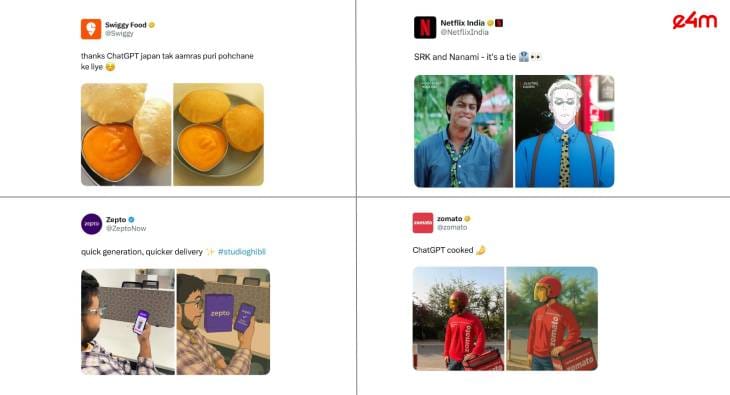

Over the past few months, a peculiar trend swept through social media and digital marketing: brands using AI-generated art mimicking Studio Ghibli’s iconic animation style. Studio Ghibli, the legendary Japanese studio co-founded by Hayao Miyazaki, is renowned for its hand-drawn, dreamlike aesthetic—think 'Spirited Away' and 'My Neighbor Totoro'. The trend began when AI tools like OpenAI’s DALL·E and MidJourney made it easy to replicate Ghibli’s whimsical landscapes, soft colors, and charming characters.
Brands quickly jumped on the trend, using AI-generated Ghibli-style visuals for ads, social media posts, and promotional campaigns. The appeal was clear: Ghibli’s art evokes nostalgia, warmth, and universal storytelling—perfect for viral engagement. However, the trend soon faced backlash. Critics argued that AI-generated Ghibli-style images violated copyright and ethical boundaries, especially since Miyazaki himself has been vocal about his disdain for AI replacing human creativity.
The controversy reached a tipping point when OpenAI announced restrictions on generating images in the style of living artists, including Miyazaki. This move came after widespread criticism that AI companies were profiting from copyrighted works without permission. The debate raises bigger questions: Where is the line between inspiration and infringement? Can brands ethically capitalize on AI trends tied to beloved artists?
Zomato – “ChatGPT Cooked”
The food delivery giant posted an AI-generated image of a Ghibli-style meal, captioning it “ChatGPT cooked”—a playful nod to AI’s role in the trend.
Wendy’s – Celebrating 200 Stores in India
Wendy’s marked its Indian expansion with a Ghibli-esque illustration of a fantasy food landscape, blending Western fast food with Miyazaki’s dreamy aesthetic.
Swiggy Instamart – #StudioGhibli Trend
Swiggy’s grocery arm joined the trend with a post captioned “keeping up with the trend #studioghibli,” featuring an AI-generated cozy marketplace scene.
ZEE TV – Ghibli-Inspired Visuals
Beautiful scene from the movie Rockstar was made into a studio Ghibli scene to make the love story look even more epic.
Zepto – “Quick Generation, Quicker Delivery”
The quick-commerce brand posted an AI Ghibli-style ad, linking its fast delivery to AI’s instant image generation—a clever but controversial parallel.
Britannia – AI-Generated “Flavoured Sandwich Biscuit”
The snack brand used AI to create a Ghibli-inspired ad, labeling it “Creative Visualisation”—raising questions about transparency in AI use.
Swiggy Food – “Thanks ChatGPT for Aamras Puri in Japan”
Swiggy humorously imagined Indian desserts in a Ghibli-style Japan, blending cultural nostalgia with AI-generated imagery.
Wakefit – “My Favourite Hello and Hardest Goodbye”
The mattress brand referenced Ghibli’s emotional storytelling in a farewell-themed post, using AI art to evoke Miyazaki’s sentimental tone.
Netflix India – “SRK and Nanami – It’s a Tie”
Netflix India compared Shah Rukh Khan to a Ghibli character, merging Bollywood and anime fandoms—though it’s unclear if AI was used.
OpenAI’s Policy Change – Restricting Artist-Style Generations
Though not a brand campaign, OpenAI’s decision to block Ghibli-style AI images marked a turning point in the debate over AI ethics.
Studio Ghibli’s films are protected intellectual property, and Miyazaki has been critical of AI-generated art. Critics argued that brands (and AI companies) were profiting off his style without permission.
Many questioned whether AI tools trained on copyrighted art should be allowed to replicate distinct styles. OpenAI’s restriction was a response to these concerns.
While some campaigns were creative, others felt like lazy attempts to capitalize on a trend without adding original value.
The Ghibli AI trend highlighted both the creative potential and ethical pitfalls of AI in marketing. While brands enjoyed viral moments, the backlash served as a reminder that even in the age of AI, artistic integrity still matters. As OpenAI’s restrictions show, the line between inspiration and exploitation is thinner than ever—and audiences are watching closely.
Read more news about Marketing News, Advertising News, PR and Corporate Communication News, Digital News, People Movement News
For more updates, be socially connected with us onInstagram, LinkedIn, Twitter, Facebook, YouTube & Google News