‘Best influencers integrate brand messages without compromising own authenticity’
At the Impact Digital Influencer Conference 2024, industry leaders gathered to discuss the shifting dynamics of digital marketing
 by
by
Published: Dec 19, 2024 12:45 PM | 6 min read
 Follow Us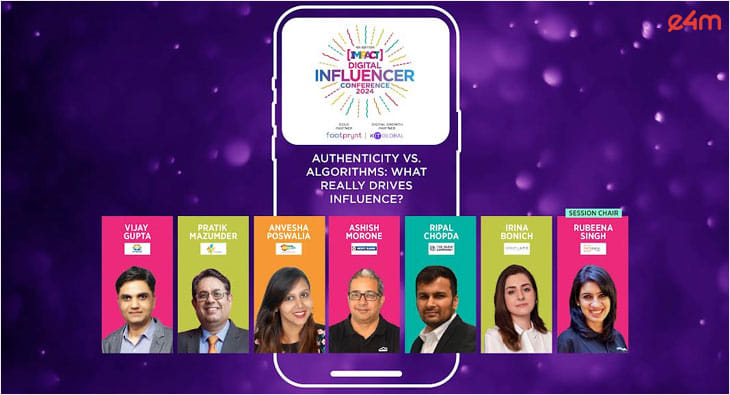

Whether it’s your latest brand ad or an influencer partnership, algorithms help determine which content gets seen by the right audience. However, this method of exposure is not without its downsides.
Algorithms often prioritise virality over meaningful engagement, and in the process, content can become formulaic, detached from the brand’s core message or story. As a result, brands face the challenge of creating content that feels genuine and resonates with consumers, even as they attempt to leverage algorithm-driven marketing tactics.
This issue was front and centre at the Impact Digital Influencer Conference 2024, where industry leaders gathered to discuss the shifting dynamics of digital marketing. The event brought together experts from diverse sectors, each offering valuable perspectives on how brands can strike the right balance between authenticity and algorithmic strategy.
The long-term impact of algorithm
As brands increasingly rely on algorithms to shape their strategies, questions arise about the lasting effects on their identity and audience connections. According to Vijay Gupta, Category Head, Male Grooming at Emami Group, while algorithms can boost reach and engagement, they do not guarantee sustained brand impact.
Gupta emphasised that "consistency is key," warning against chasing short-lived viral trends. "You may get great responses to a content piece if you latch onto a trending topic, but the question remains—does it truly impact your brand in the long run?" Gupta argued that it is only when the content is genuinely relatable and integrated seamlessly with the brand’s values that it can create lasting, meaningful engagement.
Pratik Mazumder, Chief Marketing Officer at Mahindra Holidays & Resorts, added another layer to this conversation, stressing the importance of patience when it comes to influencer marketing. "It’s not an immediate destination," Mazumder said, advocating for a long-term view where brands consistently engage with influencers to build a narrative that resonates with consumers over time. While algorithms help measure performance in the short term, Mazumder believes that "impact should be evaluated after a longer period—perhaps a quarter or six months," allowing the brand’s story to evolve and build trust with its audience.
What do consumers really want?
One of the key questions raised during the panel was whether consumers are more drawn to "real" content or highly targeted content tailored to their preferences. The answer seems to lie somewhere in between. While consumers undoubtedly appreciate content that reflects their values and speaks to their interests, they also want authenticity.
Mazumder pointed to a very clear picture, he said, “Influencers can craft content that feels natural while still leveraging the targeting power of algorithms. The key is to ensure that the story being told aligns with the influencer’s genuine voice, rather than appearing like a commercial ploy. It’s about finding influencers who align with the brand’s ethos and creating content that feels organic and authentic."
The Role of Influencers
Influencers are at the forefront of the battle between authenticity and algorithmic strategies. They must balance their personal authenticity with the need to optimize content for platforms that reward virality. Mazumder shared insights on how influencers can maintain authenticity while working with algorithm-driven platforms. "The most effective influencers are those who can seamlessly integrate brand messages into their content without compromising their authenticity," he explained. "This is where true influence lies."
Mazumder also stressed the importance of discovering "future potential influencers" who may not be celebrities but possess a deep connection with their audience. He highlighted the example of Ankit Dayanpuriya, an influencer from Haryana with eight million followers on Instagram. "He’s an example of someone who can truly connect with his audience because his content is authentic to him," he said, urging brands to look beyond just the big names and focus on influencers whose personal narratives align with their brand values.
Anvesha Poswalia, Head of Digital and OTT Brand Marketing at Shemaroo Entertainment, shared her insights on navigating the challenge of blending creativity with the pressure of delivering impact. She noted that in the content business, there is always a constant need to generate buzz around releases, balancing the short-term focus of specific campaigns with long-term brand goals.
“By crowd-sourcing audience perceptions to create AI-driven visuals, we made our viewers co-creators. The campaign achieved an organic reach of 25 million, showing how participation fuels both authenticity and impact,” she revealed.
Consumer Behavior: Do they know what they want?
Ashish Morone, Executive Vice President & Head of Brand, Marketing Communications & Retail Marketing at HDFC Bank, also weighed in on how to approach content creation, especially when consumer behavior is so unpredictable. He acknowledged the difficulty of creating content that meets every consumer's needs, especially since their preferences change depending on where they are in their buying journey.
Morone elaborated on the example of auto loans, where a consumer's journey begins months before making the actual purchase. Initially, when a consumer is still deciding on the right car, content must focus on authentic, informative material — such as how to choose the best car for one’s needs. However, as the consumer nears the decision-making stage, they become more focused on specifics, like interest rates and loan conditions. At this point, data-driven, algorithmic content becomes more effective in delivering personalized, action-oriented information. Morone believes that understanding the different stages of the consumer's journey helps marketers determine when to leverage authenticity and when to rely on algorithmic content.
The balance between creating brand love and aligning with business goals is an ongoing challenge for marketers today.
This idea was further explored by Irina Bonich, Marketing Director at Oriflame, who shared an example of how the brand's marketing approach successfully built engagement without a formal influencer collaboration.
Irina explained, “We had an organic post, which did not collaborate with the influencer. She had some 6,000 followers, and she generated the post with our iconic product, which had more than 2 million engagements in a day. It’s more about a nostalgic feeling.” This shows that sometimes, content can gain massive traction when it resonates with the audience’s emotions, tapping into nostalgia, or reflecting personal experiences. Irina continues, “What works best for us is when you have a concept of beauty insider, where you give tips and share your own experience of using the product.”
Oriflame also works extensively with user-generated content and provides clear guidelines to ensure authenticity while maintaining control. She adds, “We don’t create influencers, but we train content creators. We explain how it should work, what the calendar looks like, and the types of claims that are acceptable.” This strategy blends brand guidelines with organic creation, ensuring that content feels authentic while still adhering to the brand's values.
Experts remarked, "The future of advertising lies in branded content. The more control brands have over the content they create, the better they can ensure authenticity." By owning their narratives, brands can align their messaging with their core values while fostering deeper connections with their audiences.
Read more news about Influence Zone, Marketing, PR and Corporate Communication, Internet Advertising, People Movement
For more updates, be socially connected with us onInstagram, LinkedIn, Twitter, Facebook, YouTube & Google News