Tiger conservationist Valmik Thapar no more
Valmik Thapar had been doing conservation work for nearly five decades. He was 73
 by
by
Published: May 31, 2025 1:47 PM | 2 min read
 Follow Us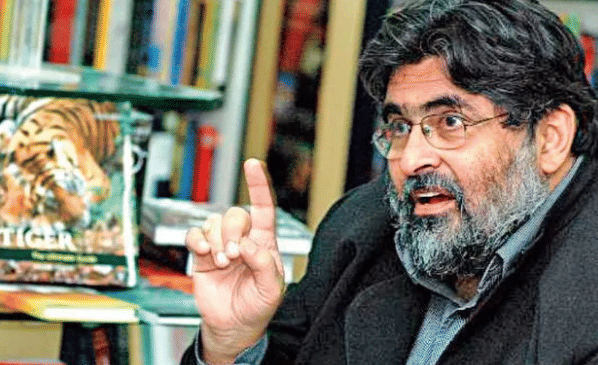

Valmik Thapar, one of India’s most prominent wildlife conservationists and a tireless advocate for tiger protection, died on Saturday at his residence in New Delhi. He was 73 and had been battling cancer.
Thapar, whose conservation work spanned nearly five decades, was widely regarded as a leading voice in India’s efforts to protect its dwindling tiger population. He authored more than 20 books on wildlife and conservation and was known internationally for presenting acclaimed documentaries, including the 1997 BBC series Land of the Tiger.
His entry into the conservation field came in 1976 after meeting Fateh Singh Rathore, then director of the Ranthambhore tiger reserve in Rajasthan. The two formed a close and influential partnership that helped shape India’s conservation landscape for more than four decades. Thapar remained active in the field until his final days, notably through his work with TigerWatch, a non-profit based in Sawai Madhopur founded by Rathore.
A vocal critic of bureaucratic inertia, Thapar served on several government advisory bodies, including the National Board for Wildlife and the Tiger Task Force, which was formed in response to the disappearance of tigers from Sariska reserve. He frequently challenged official inaction, once remarking that “bureaucracy killed more tigers than bullets ever did.”
In 1987, Thapar founded the Ranthambhore Foundation, aiming to involve local communities in conservation efforts. He also collaborated with the non-profit Dastkar to provide livelihoods for villagers displaced by conservation projects.
Born in Mumbai in 1952 to Romesh and Raj Thapar, noted journalists and founders of the political journal Seminar, Thapar is survived by his wife, Sanjana Kapoor and son, Hamir Thapar.
In his 2012 book Tiger: My Life, Ranthambhore and Beyond, Thapar reflected on his lifelong mission, writing, “My fight was always for inviolate spaces, where the tiger could live free, away from noise, away from humans.”
Read more news about Industry Briefing, Internet Advertising, Marketing, PR & Corporate Communication, Television Media
For more updates, be socially connected with us onInstagram, LinkedIn, Twitter, Facebook YouTube & Google News