Fact-checking, verification & impartiality critical for media: Sujatha Raghavan
Sujatha Raghavan, President of the Indian Women's Press Corps (IWPC), says it is important to identify content that conflicts with journalistic principles and ethics
 by
by
Published: Nov 14, 2025 10:50 AM | 5 min read
 Follow Us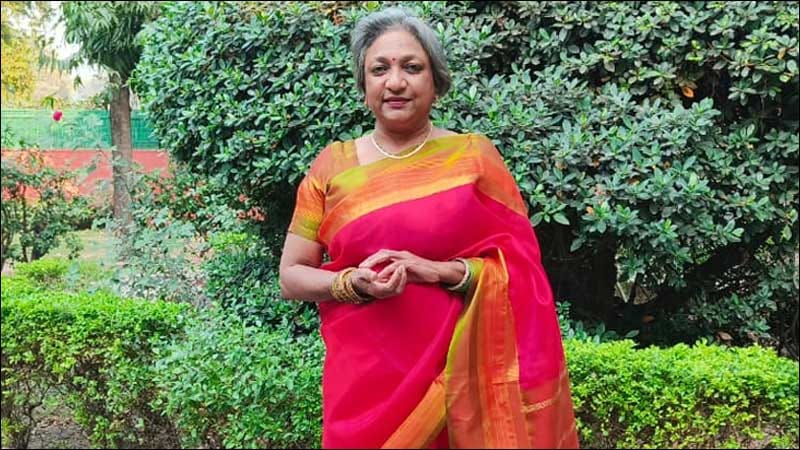

The Indian Women's Press Corps (IWPC), a leading organization of women journalists, recently celebrated its 31st anniversary.
On this occasion, samachar4media spoke at length with Sujatha Raghavan, President of the Indian Women's Press Corps (IWPC), on a number of issues.
Excerpts from the conversation:
To begin with, can you tell our readers about yourself?
I'm Sujata Raghavan. I'm primarily involved in development communication. I worked as the editor of a trilingual (Hindi, English, and Urdu) feature service run by an organization called Charkha. I'm a social development writer. I became a member of IWPC in 2011. In 2023, I joined the Managing Committee and last year, I was elected as Joint Secretary. Since then, I've served as President of the organization.
Any special achievements you would like to share during your tenure as IWPC President so far?
This is not just my achievement, but the achievement of the entire team. Today's event reflects our reputation as a responsible and trustworthy organization. The Chief Justice of India (Designate) also took the time to deliver a wonderful speech. Furthermore, the Niazi Nizami Brothers, who are globally renowned, took time out for our small organization. The audience also included people who play a vital role in society. I believe this is a symbol of our achievement. IWPC has been working tirelessly for decades, and this is the result of that collective effort.
As the President of IWPC, how do you handle the challenges?
Our mission is to keep the organization alive and active, providing a safe , stimulating environment for members to learn and thrive . We conduct various workshops and training sessions to improve journalistic skills and knowledge. We also engage in dialogue with government officials , public representatives, party spokespersons, politicians, and foreign affairs experts.
Women, especially in the media, face numerous challenges. Whether reporting or expressing their opinions openly, they often face trolling. This is a struggle every professional woman faces in one form or another.
It's been three decades since this organization was founded. Do you think it's living up to its objectives ?
Yes, absolutely. The fact that the organization has been operating continuously for over 30 years is a significant achievement in itself. We don't rely on any significant funds. Membership fees and a kitchen are the foundation. Our annual celebration is also a fundraiser. We publish a souvenir on this occasion, focusing on topics related to media and, in particular, women. Our members contribute articles to it in both Hindi and English. We raise funds through advertisements , which serve as capital for the organization's operations. We have been organizing such events for years. This organization provides a space for women journalists where they can learn, communicate, and grow.
How do you see the future of women leadership in Indian media today?
Women are now entering every field—politics, crime , economics , and even foreign affairs. In the past, women were limited to reporting on flower shows and baby showers. Times have changed. It's essential to foster an environment within media organizations that provides opportunities for women , grooms them, and creates an environment where they have equal opportunities for advancement.
IWPC celebrated its 31st anniversary. Tell us about your experience as president of this organization ?
It was a great experience. Our team includes members with 20-25 years of experience and has witnessed significant changes in media and society. Their guidance is invaluable. Furthermore, the new arrivals bring fresh energy. This collaboration is our true strength.
Do you think the challenges faced by women journalists have increased or decreased in today's times?
Digital media has expanded reach, but so have the risks. Now anyone can report from their own channel or platform , but the response is immediate and often harsh. Previously, working for a media house offered a certain level of security ; now, independent journalists lack that security. Therefore, the risks have increased, but so too have their influence and courage. If we embrace these challenges as opportunities , some change will surely occur in society.
In your opinion, what improvements should be made in the media for women?
Newsrooms should be made more inclusive. Women's voices should be included in the allocation of stories or beats. Women have different perspectives and should be accommodated. Furthermore , when sending them on field assignments , special attention should be paid to their safety, especially in sensitive or conflict-prone areas.
What work is IWPC doing for women journalists?
We regularly host health talks and other professional discussions. The landscape of journalism has changed. Jobs and incomes are no longer stable. Therefore, we also focus on issues related to insurance, health , and livelihoods. We also organize cancer and dental checkup camps. We partner with government hospitals for this. Participants in these camps are duly carded, so our members can stay connected to these services even after the camp ends.
In addition, we organize blood donation camps in collaboration with the Red Cross , in which family members of our members also participate. Donors are given donor cards , so that they can easily access blood in the future if needed. We also organize sports meets and competitions. This year, we organized a table tennis ( TT) tournament, which was attended not only by members but also by other journalists. Union Minister of State for Sports, Ms. Raksha N. Khadse, was invited to the awards ceremony. The event was extremely energetic. Raksha ji has also written a special message for our souvenir published this year.
What is your opinion on 'Artificial Intelligence' (AI)?
It's crucial to understand artificial intelligence and its limitations. We must learn how much AI should be embraced and where to exercise caution. It's crucial to recognize content that conflicts with journalistic principles and ethics.
Fake videos and deepfakes are on the rise these days. What would you like to say about this?
The government is taking steps in this direction, but we must also remain vigilant. Fact-checking, cross-verification, and maintaining objectivity in reporting are the biggest safeguards. A robust system is needed to ensure these.
Read more news about Industry Briefing, Internet Advertising, Marketing, PR & Corporate Communication, Television Media
For more updates, be socially connected with us onInstagram, LinkedIn, Twitter, Facebook YouTube & Google News