Influencers cost sheet: Festive ad rates up 10-30%, short-form content sees 25-30% rise
With brands seeking engagement-led festive storytelling, micro & mid-tier creators are seeing faster fee inflation than celebrities; some creators are delivering outsized ROI, shared industry players
 by
by
Published: Sep 24, 2025 9:12 AM | 5 min read
 Follow Us

The festive season has once again sent influencer marketing budgets soaring, with creator fees climbing anywhere between 10-30% compared to last year. While beauty, fashion, food & beverage, and e-commerce sectors are leading the charge, BFSI and auto brands have remained selective and primarily active around launches.
According to Shudeep Majumdar, Co-founder & CEO, Zefmo, micro and mid-tier creators are witnessing faster fee inflation than celebrities, as brands seek engagement-led festive storytelling.
“We are seeing a clear preference for short-form video during the festive rush,” Majumdar said. “CPMs are climbing 25-30% in peak weeks, while CPCs have remained relatively stable, supported by sharper hooks, strong CTAs, and offer-led creatives.”
Read e4m story on influencers driving big ticket purchases
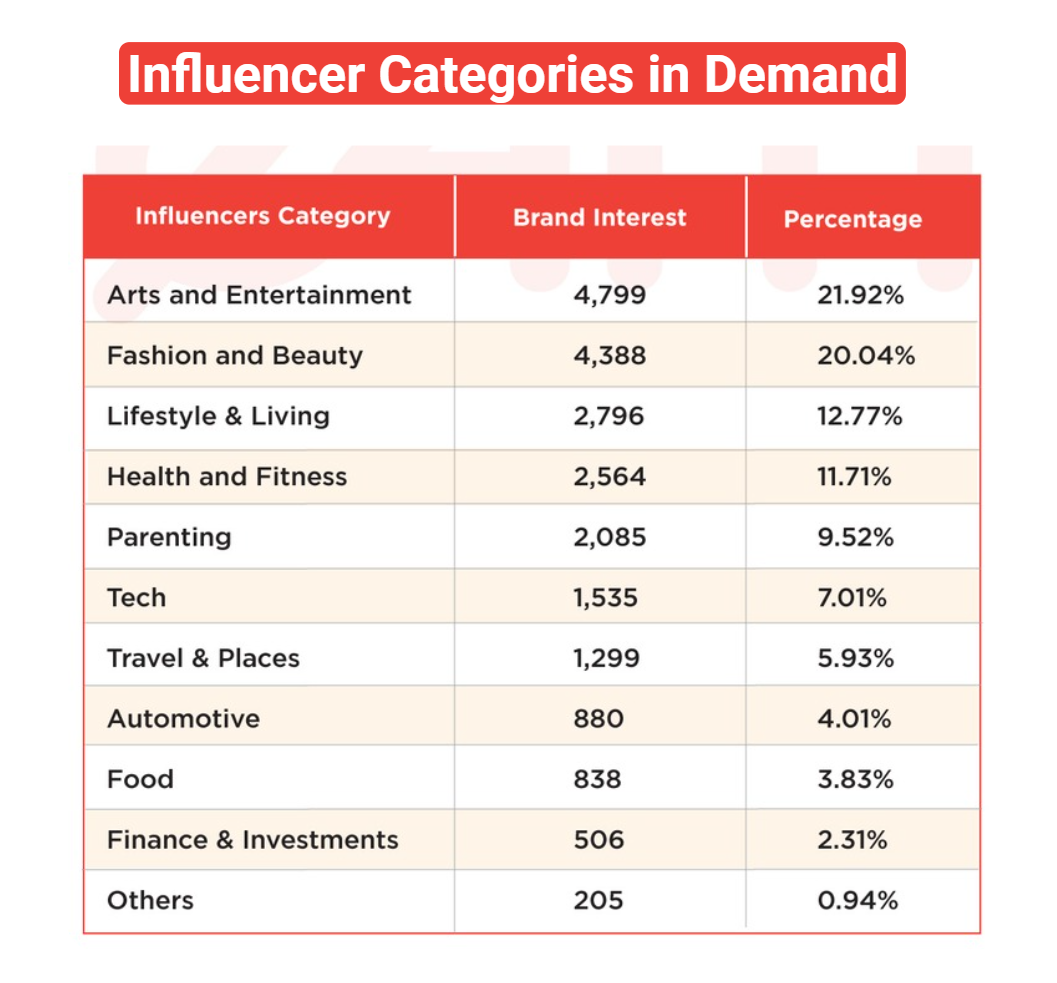
The Qoruz Festive Season Report 2025 estimates that influencer spends are set to cross ₹700 crore this festive cycle, with campaigns seeing a 2x-3x spike during Navratri to Diwali compared to regular months.
Suneil Chawla, Co-founder of Social Beat, agreed that the trend is industry-wide. “On average, creators are charging 15-30% more compared to last year. The rise is being fuelled by higher brand spends and there is a surge in demand for festive-led content across categories. This increase is more pronounced in creators with over 200K followers. Given the large number of creators with 10K–200K audiences, their price increase is not as significant,” he said.
Read e4m story on influencer-brand collabs
Sharing a brand perspective, Ullas Vijay, Chief Marketing Officer of Duroflex Group, said the company celebrated Onam with a digital-first influencer marketing campaign. Partnering with actress Amala Paul, Duroflex introduced AI-powered personalized greetings for dealers and consumers. “We wanted to go beyond conventional marketing by making the celebrations more personal,” he said.
In other instances, fashion brands Libas has allocated 18-20% of its revenue to marketing for the festive season, as per media reports. The brand has also moved from pan-India campaigns to hyperlocal storytelling, recognising that Gujarat's Navratri calls for different narratives than main-stream Diwali festivities.
More info in festive marketing report: e4m story
Short-Form Content Commands a Premium
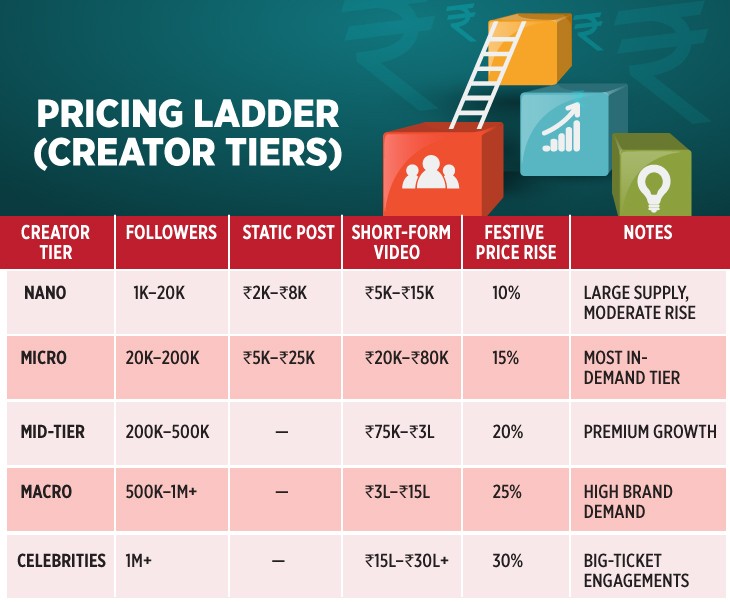
Zefmo’s data shows that Reels and Shorts are driving this surge, commanding 20-25% higher fees than static formats. Indicatively, a single short-form video with one to two stories (organic only, excluding usage and boost rights) is priced at Rs 3,000–15,000 for nano creators, Rs 15,000–75,000 for micro creators, Rs 75,000–3 lakh for mid-tier, Rs 3–15 lakh for macro creators, and Rs 15 lakh up to crores for celebrities, depending on category, timelines, and deliverables.
View this post on Instagram
Chawla added a pricing perspective: “While fees vary based on creator genre and brand collaborations, a ballpark would be ₹2,000–₹8,000 per static post and ₹5,000–₹15,000 for a short-form video for nano creators; ₹5,000–₹25,000 per post and ₹20,000–₹80,000 for micro creators; and upwards of ₹1 lakh for macro and celebrity creators, with bigger names charging even up to ₹30 lakh per engagement.”
Bundled Models and ROI
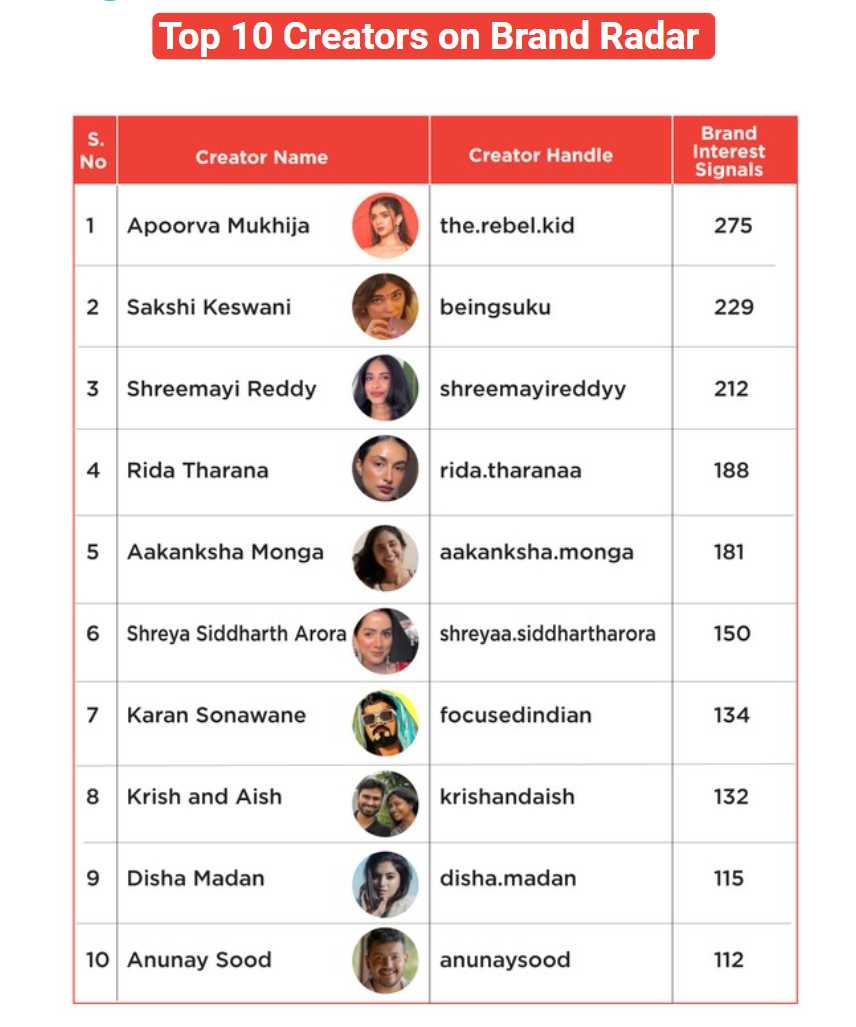
Despite fee hikes, both Majumdar and Chawla argued that ROI remains strong when campaigns are executed well. “Festive clutter does compress organic engagement, but high-performing creators continue to deliver outsized ROI when paired with strong creative, precise whitelisting, and compelling offers,” Majumdar noted.
Chawla reinforced this: “When the brand and creator fit is strong, and storytelling connects with audiences, engagement rates are very high and deliver strong ROI. That’s why brands are increasing their spends by 25–50% year on year.”
Bundling is also becoming the new normal. Majumdar said, “Bundling ensures brands are not just paying for content creation but also for controlled distribution. It’s becoming the most efficient way to cut through festive clutter.” Chawla pointed out that “over 40% of our clients are already combining creators with organic distribution and paid boosts, and this percentage will only rise as ROI strengthens.”
View this post on Instagram
Regional Creators Gain Ground
Beyond metros, regional creators are moving into the spotlight. Nishi Kikla from Nofiltr Group, said 25-30% of big brands—national and international-are now allocating budgets for vernacular content. “Metro-based influencers still get a larger share, but the gap is narrowing each quarter as regional audiences deliver stronger engagement,” she said.
Read e4m story on regional creators
While regional creators typically earn 30-40% less than metro counterparts, they are increasingly being positioned as cultural experts. Bundled content across platforms, barter-led visibility campaigns, and higher engagement data are helping them win advertiser trust.
The Metrics That Matter
For BFSI and auto brands, metrics like views, cost per engagement (CPE), and click-through rates (CTR) remain central. E-commerce brands split their spends between branding campaigns focused on CTRs and visits, and performance campaigns measured by cost per order.
Chawla explained the split further: “For CPG, auto, and BFSI brands, views, CPE, and CTR are the main metrics in that order. For e-commerce, branding campaigns prioritize CTRs and website visits, while performance campaigns focus on cost per order.”
Qoruz data shows that brands refreshing creator content every 72 hours recorded 1.6x higher engagement compared to static campaigns last year, indicating a move toward sequencing creator drops in real time.
AI Influencers Divide Opinion
While AI-powered creators are drawing attention, industry opinion remains divided. Swiggy Instamart CMO Abhishek Shetty said AI may work well in aesthetics-led categories like fashion or beauty but falls flat in credibility-driven sectors. “For finance, parenting, or health, AI can backfire. Today, I’d place the success rate of AI-led campaigns at 30–40%, compared to 60–70% for real creators. In a world craving authenticity, staying human isn’t just safe, it’s strategic,” he said.
The Last-Minute Rush
Festive campaigns are also notorious for their last-minute rush. Gautam Madhavan, Founder of MAD Influence, admitted, “Every campaign is a last-minute campaign. We get 30 briefs, work on 20, but only 5–6 actually convert.” He added that brands rushing to new agencies during festive crunch often face delays as fresh case studies and approvals slow outcomes.
Read more news about Festive Season, Marketing, PR and Corporate Communication, Internet Advertising, People Movement
For more updates, be socially connected with us onInstagram, LinkedIn, Twitter, Facebook, YouTube & Google News
