Why just Ranveer and Apoorva? Summon YouTube to the High Court too?, says Anupam Mittal
Kantar's 'The ‘India in Search’ report also points to a more diversified sporting appetite in India with Kabaddi searches surging by 75%, and hockey seeing a 40% increase in online interest
 by
by
Published: Feb 20, 2025 9:10 AM | 3 min read
 Follow Us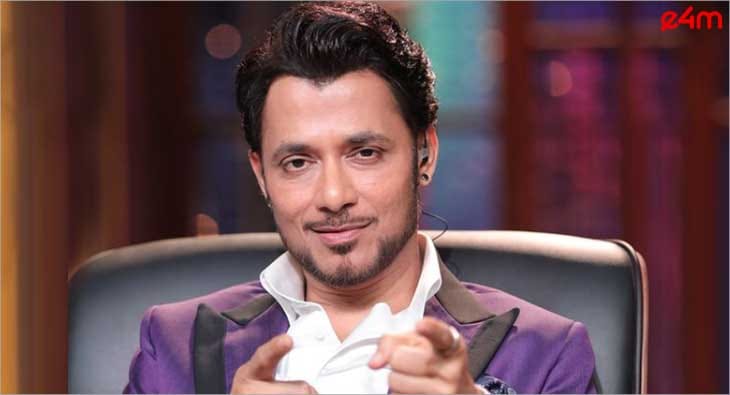

In the wake of the controversy surrounding Ranveer Allahbadia and Apoorva, Anupam Mittal, Shark Tank judge and CEO of Shaadi.com, has sparked a crucial conversation about digital accountability. While acknowledging that the content in question was "messy, crass, and undeniably wrong," Mittal argues that the issue extends far beyond individual creators—it is a systemic problem fueled by social media algorithms and the unchecked influence of Big Tech.
Mittal points out that India’s Got Latent, the show at the centre of the controversy, was never meant to be a moral discourse. It thrived on irreverence, shock value, and controversy—elements that social media platforms actively promote.
"When the host and guests cross the line, can we really be scandalised? That’s literally the algorithmic jackpot from their perspective," he remarks.
The underlying problem, according to him, is that outrage and extremity have become the currency of digital virality, pushing creators into a cycle of provocation and escalation.
A key question raised by Mittal is why only the creators face scrutiny while platforms like YouTube and Instagram escape accountability. He highlights how these platforms wield immense power, shaping public discourse while conveniently stepping back when controversies erupt.
“YouTube, Instagram, digital media—these platforms dangle virality like prasad, watch creators chase, and then step back when the fire starts,” he states. The issue isn’t just about Ranveer and Apoorva’s content but about the broader regulatory void that allows tech giants to operate without accountability.
A particularly pressing concern Mittal raises is the accessibility of explicit content on platforms like YouTube, despite parental controls. He shares a personal experience, expressing his shock at how age-inappropriate content continues to be served up to his seven-year-old, despite safety settings. “How is it that kids can still access far worse content with zero guardrails?” he asks. This lack of oversight raises questions about whether existing digital laws are effectively safeguarding young minds.
While creators like Ranveer, Apoorva, and Samay Raina have apologised for their actions, Mittal contends that they are merely symptoms of a larger issue—the unchecked power of Big Tech. These platforms operate under digital intermediary laws that shield them from responsibility, creating an environment where content that would be deemed unacceptable on traditional media flourishes online. “Imagine a newspaper or a TV channel publishing the type of content that these platforms carry with total impunity—it would lead to a mutiny,” he argues.
As the controversy continues to unfold, one thing is clear: the debate is no longer just about one show or a few influencers. It is about the responsibilities of digital platforms, the algorithms that fuel outrage, and the urgent need for policies that ensure a safer and more accountable online ecosystem.
Read more news about Digital Media, Internet Advertising, Marketing News, Television Media, Radio Media
For more updates, be socially connected with us onInstagram, LinkedIn, Twitter, Facebook, YouTube & Google News