US Senate rejects AI regulation freeze, India better take note
Many Indian startups and IT giants export AI-powered solutions to the US and other western markets
 by
by
Published: Jul 2, 2025 7:32 AM | 3 min read
 Follow Us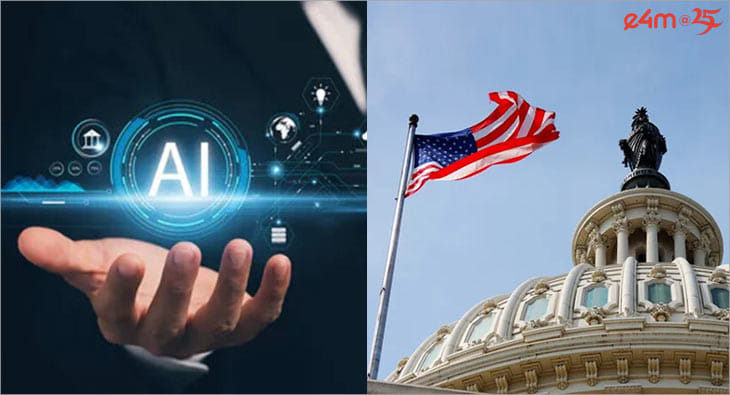

The US Senate has just delivered a strong message to Big Tech and state-level governments alike: no, you can’t simply freeze AI oversight for a decade and call it innovation. In a near-unanimous 99-1 vote on July 1, senators struck down a proposed 10-year moratorium that would have prevented individual US states from regulating artificial intelligence.
Originally slipped into what’s charmingly called the "One Big Beautiful Bill" by US President Donald Trump, this moratorium would have blocked states from enforcing or creating new AI-related safeguards, giving Silicon Valley a free pass to operate with minimal interference.
For once, the US political system decided not to roll over for Big Tech’s lobbyists. Tech giants argued that allowing every state to craft its own AI rules would create a messy patchwork of compliance obligations and stifle America’s ability to compete with China. But lawmakers weren’t buying it. Critics of the moratorium claimed it would undermine consumer protections, weaken biometric data privacy, and enable deepfake disasters to run wild. The senators chose to back local rights to regulate instead of signing away power to a handful of coast-hugging corporations.
Now, why should marketers and tech watchers in India care about an obscure vote in Washington? Because AI regulation isn’t just a US or EU story anymore; it’s rapidly becoming a global standard-setter. India’s own AI frameworks are still cooking in draft papers and strategy meetings, but our ambitions to become a global AI powerhouse are no secret.
Many Indian startups and IT giants export AI-powered solutions to the US and other western markets. The moment those markets fragment into state-level requirements, our homegrown players will need to jump through extra hoops to comply; California might demand one thing, New York another, Texas something else entirely.
On the flip side, the US Senate’s move could inspire Indian states, especially digital-first regions like Karnataka and Telangana, to think more independently about AI governance rather than waiting for a big, uniform directive from Delhi. If India wants to avoid a compliance nightmare for its own companies, it might want to consider harmonising national AI standards early on, before the local political jockeying begins.
The Senate vote also shows that public pressure and common sense can still occasionally win out against trillion-dollar lobbying budgets. As AI snakes its way into everything from retail ads to rural healthcare, India has an opportunity to lead with clarity instead of playing catch-up in a global regulatory relay. While we sip chai and draft new policy papers, the US just reminded us that the future of AI won’t be decided in closed boardrooms alone, but in public arenas where accountability still counts for something.
Read more news about Digital Media, Internet Advertising, Marketing News, Television Media, Radio Media
For more updates, be socially connected with us onInstagram, LinkedIn, Twitter, Facebook, YouTube & Google News