K-razy for K-drama! How Indian OTTs plan to ride the Hallyu wave
With Prime Video launching Channel K at an inaugural price of Rs 1 a month, streaming platforms are planning strategic investments to entice fans of Korean content
 by
by
Published: Nov 23, 2024 9:14 AM | 4 min read
 Follow Us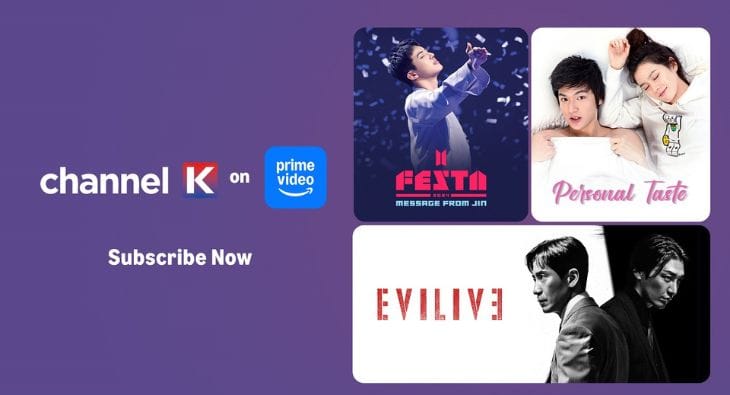

Prime Video has recently launched Channel K, the latest offering for K-drama for just Rs 79 a month (with an inaugural price of Rs 1), viewers can access an expansive list of Korean dramas, K-pop concerts, and reality shows. It’s the ultimate fan zone for all things Hallyu, from Summer Strike to 2024 BTS FESTA: Message from Jin.
K-dramas are stealing the show in India. With Netflix’s 'What we watched the first half of 2024' report highlighting stellar performances from Korean hits like Queen of Tears (29M views), Parasyte: The Grey (25M views), and My Demon (18M views)—which outperformed Indian heavyweights such as Heeramandi: The Diamond Bazaar (15M views)—it’s official: India is riding the Hallyu wave. And streaming platforms are capitalising on this craze by launching specialised apps and channels dedicated to Korean content.
Head of Marketplace at Prime Video Gaurav Bhasin reveals, “Over the past few years, we have seen tremendous increase in the popularity of Korean content on Prime Video in India, including series like Marry My Husband, No Gain No Love, Jinny’s Kitchen, and more, that were loved by our customers.”
But what’s fueling this trend?
According to Abhishek Tiwari, Global Business Head at NetSetGo Media, streaming platforms are making strategic investments. “So far, the numerical commitment made towards K-drama rights seems to be a wise move. Platforms have been confirmed to spend between USD 100,000-500,000 per title, which is frequently vindicated by favorable viewing figures. Take for example Queen of Tears, which received 29 million views. It is a generational wise return on investment, proving that Korean content receives reasonable attention for minimal acquisition figure as it would have been the case for high-budgeted films.”
The free vs. paid showdown
One major challenge is the competition from free streaming websites offering similar Korean content. So how can paid platforms win this tug-of-war? Tiwari suggests focusing on added value, “Visit streaming websites that provide extra user experiences and shift from competing solely on the provision of free content. These comprise waiting time concerning content delivery, advertisement abuse, delivery of collectables from high-profile actors, best quality streaming, and easy access to different language subtitles.”
As more platforms scramble to acquire exclusive K-drama rights, a pricing war is inevitable. This could lead to a rise in licensing costs by an estimated 20–30%, potentially increasing subscription fees by 10–15%. However, there’s also hope for collaboration between platforms to manage these costs and ensure audiences aren’t priced out.
Tiwari estimates that a dedicated Korean content app could attract “an additional 15–20% of the existing OTT subscribers, with future potential for users, especially in Korea and other cosmopolitan areas. The important parameter in the market will be a sustained an attractive price, which would enhance the commercial feasibility and customer appeal of specialized platforms.”
Is a dedicated K-drama app the right move?
However, there are hurdles to overcome. Tiwari adds, “Presenting a solo advertisement of a Korean Drama buff app is also a complex case with chances of success as it should appeal to younger 18-35 year olds and urbanites. There are still bottlenecks such as the overall navigation of content and pricing strategies aimed at being aggressive. But strategies that would include exclusive offerings, numerous subtitles, and well-organized sections would make such a platform appealing.”
The success of such platforms hinges on offering more than just dramas. Exclusive perks like early access, collectibles featuring beloved stars, and seamless multilingual subtitles could sweeten the deal.
With platforms like Netflix, Disney+ Hotstar, and Prime Video doubling down on Korean content, the future looks bright for K-drama fans.
Read more news about Digital Media, Internet Advertising, Marketing News, Television Media, Radio Media
For more updates, be socially connected with us onInstagram, LinkedIn, Twitter, Facebook, YouTube & Google News
