2024: A year of contrasts in India’s M&E industry
Guest column: Anup Chandrasekharan, COO - Regional Content, IN10 Media writes about how 2024 was a year of sharp contrasts for the Indian Media and Entertainment (M&E) industry
 by
by
Published: Dec 18, 2024 11:01 AM | 5 min read
 Follow Us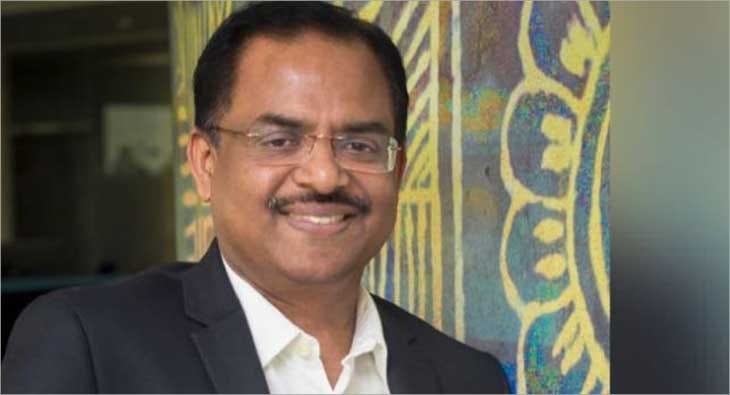

I have been a witness – witness to the business of Indian Cinema for more than two decades, also being a part of the South Indian Media industry will decipher that the Indian Media and Entertainment (M&E) industry in 2024 was a year of sharp contrasts. While regional cinema dominated the box office and OTT platforms gained traction with select hits, challenges like stagnant growth, content saturation, and financial pressures exposed vulnerabilities in traditional and digital entertainment models. The evolving preferences of the Indian audiences, coupled with intensifying competition, pushed the industry to rethink its strategies.
Every renaissance is marked by the reflections of the prevailing social barometers. Regional Cinema with its rich diversity emerged as the strongest performer this year, captivating audiences across India and beyond. Tamil films like The Greatest of All Time, Amaran and Maharaja delivered compelling narratives backed by stellar production values, reinforcing Tamil cinema’s leadership in quality storytelling. Telugu cinema solidified its pan-Indian appeal with Pushpa 2: The Rule and Kalki 2898 AD, both of which demonstrated how culturally resonant, yet universally appealing narratives could cross language barriers. The term 'Pan India' evolved with a renewed clarity and fresh perspective . Malayalam cinema also contributed to the year’s success with films like Manjummel Boys and Aadujeevitham,which struck a chord with audiences for their authenticity and emotional depth. In contrast, Kannada cinema faced setbacks, as big-budget productions like Martin failed to meet expectations, underlining the risks of relying on spectacle over substance.
Bollywood’s year was a mixed bag of highs and lows. While Stree 2 and Bhool Bhulaiyaa 3 were clear winners, appealing to audiences with their blend of humour and horror, sleeper hits like Munjya, Article 370 and Teri Baaton Mein Aisa Uljha Jiya proved that smaller, meaningful films could thrive in a competitive landscape. However, big-ticket releases like Singham Again and Bade Miyan Chotte Miyan fell short due to predictable plots and outdated formats, highlighting Bollywood’s struggle to evolve. The 50% stake sale of Dharma Productions to a private equity firm highlighted the financial strain on even established studios, underscoring the need for creative reinvention and fiscal discipline. I always believe that the evolution of art reflects changes in human behavior and attitudes. Art mirrors the human psyche, capturing its shifting temperament. When content fails to understand and align with these changes, even the most well-crafted marketing strategies can falter, highlighting the need for creators to stay attuned to their audience.
OTT platforms in 2024 reflected this paradox, where innovation coexisted with stagnation ,showcasing both progress and persistent challenges. Netflix expanded its subscriber base with culturally resonant hits like Heeramandi and Kota Factory Season 3,yet faltered with projects like Sector 36 and IC 814: The Kandahar Hijack,which faced criticism for weak writing and controversial portrayals. Amazon Prime Video found success with Citadel: Honey Bunny,but misses like Call Me Bae and Waack Girls pointed to the challenges of aligning content with audience expectations. Franchise series such as Mirzapur and Panchayat continued to draw loyal viewers but risk losing momentum as the novelty fades. With subscription growth plateauing at 40 million B2C subscribers, OTT platforms are finding it harder to expand their paid user base.
The Ormax SVOD Audience Report 2024 highlighted several key trends shaping the industry. AVOD remains dominant, accounting for 72% of India’s digital video audience, while SVOD struggles to expand its market share. Platforms like YouTube and social media dominate the AVOD space, with a staggering 177 million users out of a total 369 million AVOD audience. Connected TVs, used by 36% of SVOD viewers in urban India, are reshaping viewing patterns, shifting from personalized consumption to family-oriented co-viewing experiences. However, OTT platforms still lack robust ground distribution systems, a critical factor in television’s enduring success, limiting their ability to directly collect revenue from consumers.
Television networks struggled to innovate, relying heavily on international formats like Kaun Banega Crorepati and Bigg Boss to sustain viewership. Sony Entertainment Television revitalized legacy shows like CID and Bade Achhe Lagte Hain, yet found it challenging to expand its audience base. Meanwhile, Sun TV barely retained its position in Tamil Nadu amidst growing competition,also struggled to establish a foothold in other South markets, while ZEEL on the other hand focused on cost control to stabilize profitability amid revenue pressures.
Jio remained a key player, with the ₹70,000 crore Disney-Reliance merger positioning Jio Star as a potential game-changer. Its bundled services integrating telecom, broadband, and entertainment continued to attract attention, but the success of its programming strategy remains to be seen. Jio’s ability to cater to India’s diverse audience base with innovative, high-quality offerings will determine its long-term impact.
Marketing trends leaned heavily on influencer-driven campaigns. The Bihar government’s "Bihar Tourism in Influencer’s Eyes " campaign, demonstrated the potential of Influencer branding, while films like Pushpa 2 and Stree 2 used Instagram and YouTube to build massive pre-release buzz. However, promotional efforts often fell short of sustaining momentum when content quality failed to deliver.
As 2024 concludes, the Indian M&E industry reflects a blend of resilience and vulnerability. Regional cinema led the way, and connected TVs reshaped viewing habits, systemic challenges like content saturation, financial strain, and audience fragmentation persisted. To thrive in this evolving landscape, the industry must embrace bold innovation, focus on audience alignment, and strike a balance between creative risks and sustainable strategies. Hopefull,y 2025 will bring the necessary change.
The views expressed here are solely those of the authors and do not in any way represent the views of exchange4media.com.
Read more news about Television Media, Digital Media, Advertising India, Marketing News, PR and Corporate Communication News
For more updates, be socially connected with us onInstagram, LinkedIn, Twitter, Facebook YouTube & Google News