AI may shrink IT teams but it will open new avenues: Rajeev Dubey
In an interaction with e4m, the President and CEO of American Business Solutions Inc. discusses AI-led workforce disruption, the changing IT sector, US immigration and more
 by
by
Published: Sep 25, 2026 12:33 PM | 4 min read
 Follow Us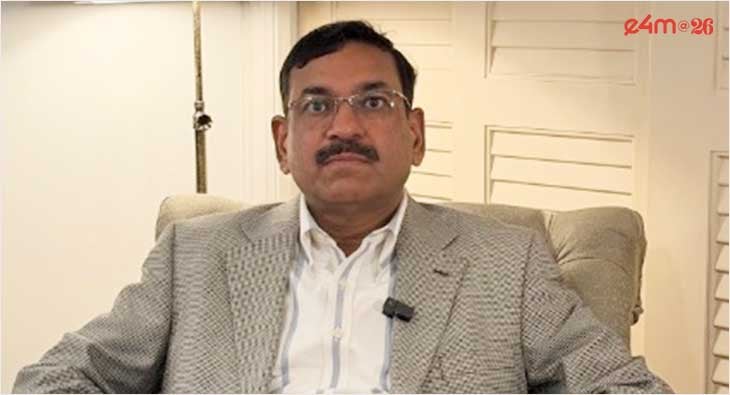

Artificial intelligence is changing the economics of technology, from how projects are executed to how companies structure their workforces. Rajeev Dubey, President and CEO of Ohio-based American Business Solutions Inc., believes AI will improve productivity and optimise processes, although it could also reduce the number of people required for certain functions.
Dubey, who moved from India to the United States in 1993, started as a software engineer, became a Vice President within five years and subsequently established his own company without capital. Excerpts:
How significantly will AI change the structure of the technology workforce?
When I worked as a programmer around 30 years ago, one programmer would handle almost everything, including analysis, design, development, testing, implementation and maintenance.
As the IT sector expanded and more funding became available, these responsibilities were divided among business analysts, quality-assurance professionals, developers, project managers and other specialists. That expansion created many jobs.
AI could now reverse some of that fragmentation. Work that once required five programmers may be completed by one programmer using the right tools. Companies will invest upfront in AI to optimise operations, increase productivity and reduce costs. Since labour is a major cost, some jobs will inevitably be affected.
Should professionals view AI primarily as a threat to employment?
I would not blame AI alone. It will benefit users as well as the technology community. The industry created a very large number of jobs over several decades, and it is now entering another phase. AI should be used to improve productivity and optimise processes. Professionals should also examine how it can be applied within sectors such as healthcare instead of treating pure AI as the only career opportunity. Some roles may disappear, but new opportunities will emerge where technology is combined with sector-specific knowledge.
The IT industry has faced the dot-com crash, the 2008 crisis and other disruptions. Is the present slowdown cyclical or structural?
IT performed exceptionally well over the past two or three decades. Developments such as Y2K and the dot-com boom created tremendous opportunities. As a result, even people without an original technology background entered the sector, and the industry eventually became overcrowded.
What we are witnessing now is a period of stabilisation, combined with the arrival of AI. Every market experiences ups and downs. Smart business leaders must watch these cycles carefully, anticipate what is coming and take corrective steps in advance.
Where do you see the strongest employment and investment opportunities emerging?
AI and machine learning are attracting investment across the world, but healthcare deserves greater attention. A large number of baby boomers are approaching retirement, which will increase demand for hospitals, caregiving facilities and related services.
AI can accelerate healthcare processes, improve efficiency and generate better returns. However, healthcare will continue to require human involvement. Technology can assist people, but it cannot completely replace the human touch.
Does the American dream still hold the same appeal for Indian professionals?
America continues to offer considerable opportunity to people with the right skills and experience. However, individuals should not move to the United States simply in search of a job. They need a clear strategy. They should identify the right opportunity, the right employer or, if they want to become entrepreneurs, the right business. They must also be willing to adapt to changing conditions and continuously acquire new skills.
Has social media created an exaggerated impression of stricter US immigration policies?
People are extremely curious about immigration, and social media sometimes takes advantage of that interest. Developments are presented aggressively, creating confusion and making the situation appear worse than it may actually be.
Immigration laws and policies will continue to change. However, if a person has the right opportunity and their paperwork is correct, I do not believe the situation is as bad as it is often portrayed.
How did your own journey in the United States shape your approach to entrepreneurship?
I left India in 1993 and followed a slow and steady path. I was not a major risk-taker. I started as a software engineer, became a Vice President within five years and then established my own company. I began without capital, so I had to take baby steps. I gradually built contacts and a professional network. Since my background was in IT, I started in that field. I entered hospitality and real estate only after acquiring experience, understanding those businesses and developing the right contacts.
How should businesses respond to wars, policy changes and wider economic uncertainty?
There will always be opportunities and threats. A war may happen, or another unexpected disruption may emerge. Smart businesspeople prepare in advance and maintain sufficient funding, operational bandwidth and flexibility. These developments will come and go. I am not excessively worried because whenever there is a threat, there is also an opportunity. The important thing is to recognise it and remain prepared.
Read more news about Digital Media, Television Media, Out of Home Advertising, Print Media, Latest Advertising India
For more updates, be socially connected with us onInstagram, LinkedIn, Twitter, Facebook, YouTube & Google News