Loyalty is earned when users feel respected, not baited: Rikant Pittie, EaseMyTrip
Rikant Pittie, CEO & Co-Founder, shares that looking ahead, EaseMyTrip’s strategy will double down on hyperlocalisation
 by
by
Published: Aug 4, 2025 8:54 AM | 6 min read
 Follow Us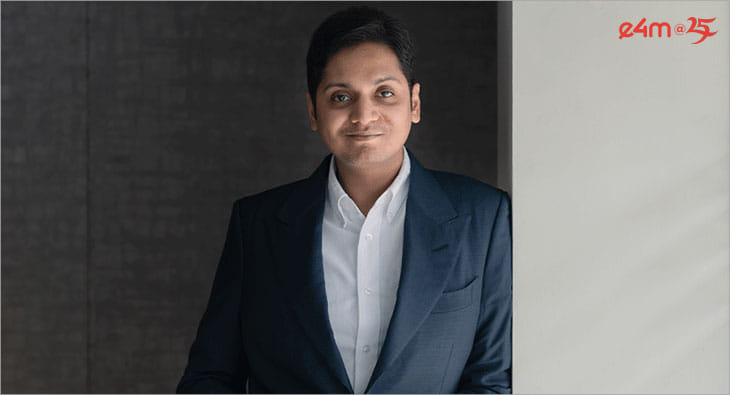

In India’s fiercely competitive online travel market, brands fight for consumer attention with heavy discounts, cashback offers and high-decibel ad campaigns. But for Rikant Pittie, CEO & Co-Founder of EaseMyTrip, true brand loyalty doesn’t come from transactional benefits alone, it comes from trust. In an exclusive conversation with exchange4media, Pittie opened up about the company’s brand philosophy, its shift in marketing priorities, the growing role of Tier 2 and Tier 3 cities in shaping its strategy, and why relatable storytelling is the real differentiator in the cluttered OTA space.
“Loyalty stems from trust, not just deals,” Pittie says. “We’ve made zero convenience fees a permanent feature, not a limited-time lure. That transparency, along with consistent service and real-time customer support, builds emotional equity. Loyalty for us is earned when users feel respected, not baited.”
EaseMyTrip’s recent brand campaigns with actors Vijay Raaz and Varun Sharma became widely talked about for their humour and relatability. But Pittie is quick to point out that these were never meant to be “celebrity campaigns” in the conventional sense.
“These weren’t standard celebrity tie-ins, they were everyday characters who helped us speak in a language people relate to,” he explains. “The duo’s impeccable comic timing and grounded appeal allowed us to deliver our core message in a way that was amusing but still real. Humour rooted in reality strikes the deepest chord with Indian consumers.”
The success of these campaigns is not just anecdotal, post-campaign insights showed measurable improvement in brand recall metrics. “It confirmed for us that when you talk to people in their language, you’re not just selling a service, you’re building a relationship,” Pittie says.
Over the last two to three years, EaseMyTrip’s marketing approach has undergone a deliberate transformation. Performance marketing, once the dominant spend category, still plays a vital role in driving bookings and delivering immediate ROI. But the brand has started to allocate more resources towards long-term brand-building.
“Performance marketing continues to drive measurable outcomes and remains crucial,” Pittie says. “But we’re increasingly investing in brand-building initiatives to create lasting equity and customer trust. The lines between performance and brand are blurring, content-driven campaigns and influencer-led narratives are serving both purposes.”
This shift reflects an understanding that consumers don’t just buy services; they buy into stories, values, and consistent experiences. For EaseMyTrip, this means designing campaigns that work for today’s bookings but also strengthen the brand for tomorrow’s choices.
One of the biggest forces shaping EaseMyTrip’s brand playbook is the rapid growth coming from Tier 2 and Tier 3 cities. These markets have evolved from being supplementary revenue sources to becoming core drivers of the company’s growth trajectory.
“Over the years, we’ve witnessed strong traction from these markets, not just in volume, but in how travellers engage with our platform,” Pittie says. “It has definitely shaped our marketing strategy. We’ve adopted a more localised approach, exploring vernacular content, working with regional influencers, and running targeted media buying to connect more authentically. Even when choosing ambassadors or collaborations, relatability and regional resonance are key.”
For a brand that prides itself on being accessible and relevant to everyday Indians, this “Bharat-first” focus is not a side project, it’s the central growth engine.
While EaseMyTrip does not disclose exact platform-level budget splits, Pittie outlines the company’s digital advertising strategy. Google Search and Display remain critical for capturing high-intent users actively looking to book. Meta platforms like Facebook and Instagram are used heavily for engagement, particularly with younger audiences who consume short-form video content. OTT platforms such as YouTube and Hotstar are leveraged for broader brand storytelling, while influencer partnerships help the brand reach regional and niche segments with cultural context.
“Meta and influencer-led short video campaigns currently deliver the most efficient ROI, especially in Tier 2 and Tier 3 markets,” Pittie notes. “Our focus is on real-time optimisation using metrics like CAC (customer acquisition cost), CTR (click-through rate), and LTV (lifetime value).”
There has been plenty of debate in marketing circles about whether influencer marketing is reaching saturation. Pittie disagrees.
“It hasn’t plateaued, it’s evolved,” he says. “The sweet spot is between celebrity tie-ins and micro-regional creators who drive real community engagement and bookings. We see tangible conversions, especially when creators share personal travel experiences, tips, and real-time offers. What works best is authenticity and relevance, people trust faces they can relate to.”
The company’s influencer mix today includes both widely recognisable names and hyperlocal voices, chosen to match the campaign’s audience focus.
Purpose-led marketing is becoming a growing part of EaseMyTrip’s narrative. For Pittie, themes like sustainable tourism, green travel, and local-first itineraries are not just slogans, they are pillars being built into the product offering.
“It’s more than a buzzword, it’s a direction we’re consciously building into our offerings,” he says. He points to initiatives like promoting green bus travel through YoloBus, creating spiritual tourism experiences via EasyDarshan, and supporting local-first travel options.
While purpose-led tourism is still an emerging category in India, Pittie sees signs of strong demand among specific cohorts. “We’ve seen rising interest in sustainable travel and cultural journeys, especially among urban millennials and women travellers,” he adds.
Looking ahead, EaseMyTrip’s strategy will double down on hyperlocalisation. As the brand expands across India, regional celebrities, language-first creative assets, and culturally resonant campaigns will take centre stage.
“Yes, absolutely,” Pittie says when asked if regional-first campaigns are becoming a larger part of the media mix. “We’re working with regional celebrities, experimenting with language-first media, and building vernacular creative assets for every major campaign. This hyperlocal approach allows us to meet customers where they are, both culturally and emotionally.”
For Pittie, the vision is clear: keep the brand human, keep it relatable, and keep it deeply rooted in the lives of everyday Indians. In an industry where competitors often chase scale through heavy spends, EaseMyTrip is betting that trust, cultural resonance, and meaningful storytelling will be the levers that drive long-term loyalty.
“Meeting customers where they are, culturally and emotionally, is how we plan to win the next phase of growth,” he says. “At the end of the day, loyalty is not a transaction, it’s a relationship.”
Read more news about Marketing News, Advertising News, PR and Corporate Communication News, Digital News, People Movement News
For more updates, be socially connected with us onInstagram, LinkedIn, Twitter, Facebook, YouTube & Google News