From online to offline: Is the journey worth for D2C brands?
Several D2C brands have in the recent past opened offline stores in India. We assess the impact of the transition on sales, brand identity and overall growth
 by
by
Published: Sep 11, 2024 9:20 AM | 3 min read
 Follow Us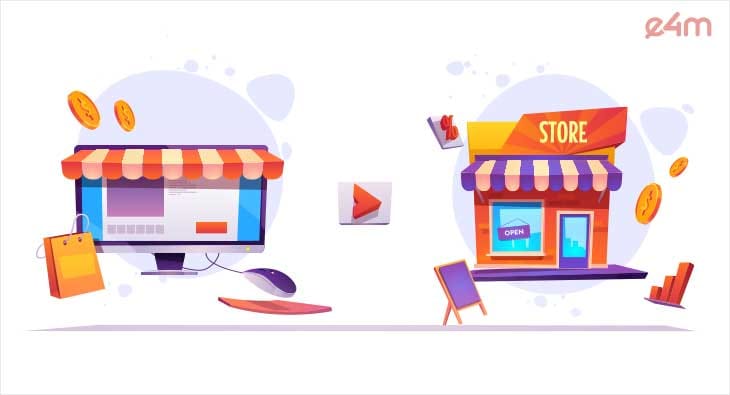

A marketing report that came last year highlighted that offline sales dominate India's retail industry. Only 10% of Indian customers prefer 'only online’ mode of shopping. The report, by NEOGrowth, probably explains why several digital-first D2C brands have recently gone offline as well. Brands such as Nykaa, Zivame, Beyoung, Sugar, BlissClub, JustHerbs, Bluestone, BoAt, Organic Harvest, Basil, Wakefield, Beanly, P-TAL and many others have opted for brick & motor shops too in the past few years.
Nykaa Beauty, in a report released recently, shared how omnichannel selling strategy has helped them create a market space. These stores have helped the beauty brand make a loyal customer base in tier 2 and tier 3 cities.
So, what happens when a brand goes from only-online to offline? e4m spoke to experts for the answer.
Most of the experts agree that going offline can be a good way to attract customers, who can then be kept hooked through all other channels across platforms and mediums, be it online or offline.
A brand, when going offline, not only changes its mode of sales but also creates a new identity. This strengthens its position in the retail space which is essentially what is required for a brand to reach a wider audience, say the experts, adding that “expansion and evolution go hand in hand”.
When asked about the impact of such a move on the sales performance of the brand, Samayesh Khanna, Co- Founder, Beanly, said “Beanly completed the offline journey in a more holistic way than we imagined. It was something we always intended to do. The sales have grown by virtue of the fact that we’ve added a new revenue channel to the mix. Stores are our fastest growing channel now.”
Explaining if an offline presence affects the online channels, Aditya Agarwal, Co-founder and CEO P-TAL, shared that the two modes of sales work on two totally different operating systems separately. “Offline has opened many B2C channels, obviously adding to the revenue generated. The offline stores connect brands to high network clients. It has helped increase sales.”
According to experts, the kind of audience that you tap through the offline mode varies with the kind of product you sell. For example, a brand like P-TAL will mostly have customers above the age of 35 in their offline stores. But a Beanly store would mostly have younger customers, aged between 18 and 35.
Similarly, the products more in demand in offline stores also vary from the ones that are more in demand on online stores. Aditya Agarwal shared that their online sales mostly come from low-priced items whereas their premium quality products with higher pricing are almost always sold offline at the store.
Explains Shradha Agarwal, Founder and CEO Grapes, “When we talk about opening new stores, we need to realise that tier 2 and tier 3 cities are extremely profitable markers that are yet to tapped by many brands. Due to an increase in the disposable income and the growing influence of the internet, the tier 2 and tier 3 markets have become much larger.”
Citing an example, Shradha Agarwal shared an incident involving Bluestone. “A lady from Rohtak, a tier 2 city, brought a bracelet from Bluestone and wore it to an event. Within 48 hours of this, the store got 100 orders for the same bracelet because so many people saw pictures of woman wearing that bracelet on WhatsApp. Point to note here is that offline helped online sale. A sale at a tier 2 store created a chain reaction, increasing overall sales.”
Read more news about Marketing News, Advertising News, PR and Corporate Communication News, Digital News, People Movement News
For more updates, be socially connected with us onInstagram, LinkedIn, Twitter, Facebook, YouTube & Google News
