AI will fundamentally change creative execution in DOOH advertising: Vikas Nowal
Vikas Nowal, CEO at Interspace Communications, shares insights on how AI, ML, AR, VR and programmatic buying are set to revolutionize DOOH advertising
 by
by
Published: Feb 17, 2025 9:31 AM | 3 min read
 Follow Us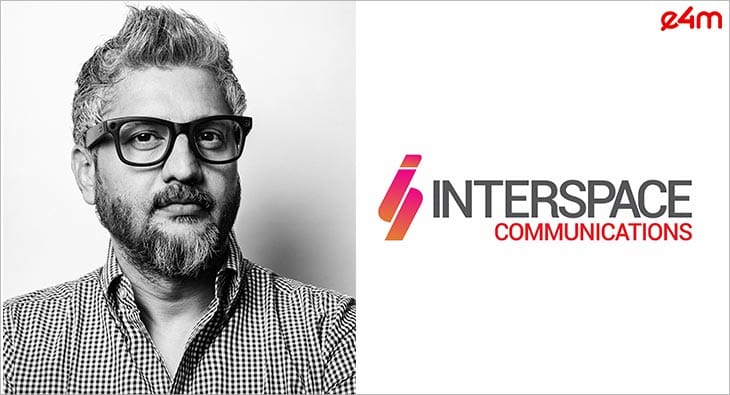

Digital innovation is leading the way in transforming traditional OOH media to create immersive campaigns that could drive impact for brands. Data-driven insights are at the heart of such innovations, enabling hyper-targeted messaging, real-time optimisation, enhanced audience engagement, effective measurement and high ROI. AI is expected to drive the next phase of OOH modernisation, enabling dynamic content adaptation, predictive audience analytics, and automated campaign optimisation.
“AI and machine learning will fundamentally change the way creative is executed in digital OOH advertising, enabling much more personalized, dynamic, and data-driven campaigns,” shares Vikas Nowal, CEO at Interspace Communications.
He explains, “AI enables real-time adjustment based on demographics, behaviour, and even environmental factors to make the content more relevant and engaging. It can also analyse large volumes of data and deliver personalized messaging to optimise campaign performance and ensure maximum impact.”
“There is also the audience engagement aspect, where machine learning can predict the engagement patterns of a particular audience group, further providing granular targeting for DOOH campaigns,” he adds.
In the next 3 to 5 years, creative executions supposed by AI might become the norm.
Other key factors expected to drive the transformation of DOOH include machine learning, AR, VR and programmatic buying. While AI and ML will enable more tailored real-time adjustments based on audience behaviour, AR and VR will open up immersive and interactive brand experiences. Programmatic OOH will automatically enable placements, thereby making the placements more targeted and efficient.
“Eventually, as the technology matures and grows more in use, we will see campaigns making all adjustments in real-time, according to audience preferences and environmental factors. DOOH will become more efficient, highly impactful, and personalized for brands and consumers,” Nowal adds.
He further shares an example of how Interspace Communications successfully integrated data analytics in an OOH campaign for Polycab, an electrical solutions provider. Executed across cities in South India — in Hyderabad, Chennai, Bangalore, and Kochi — the campaign was meticulously planned using the company’s proprietary Media Optimization and Planning Tool. By analysing multiple data points, the tool enabled precise targeting, optimal reach and frequency.
Leveraging these insights, the campaign deployed a diverse media mix, including billboards, bus shelters, foot-over bridges, and metro pillars, each strategically selected based on the location’s unique geography and audience movement patterns. Additionally, key touchpoints such as electrical markets were identified to maximise brand visibility and impact.
To ensure transparency and real-time performance tracking, the team employed a real-time app-based monitoring mechanism called Radar, which captured the exact coordinates of the campaign’s media displays through GPS tracking.
“This data-driven approach is what we seek to do for each of our campaigns that ensures the brand campaign not only reaches the intended audience but also maintains the integrity and effectiveness of the message,” Nowal concluded.
Read more news about Marketing News, Advertising News, PR and Corporate Communication News, Digital News, People Movement News
For more updates, be socially connected with us onInstagram, LinkedIn, Twitter, Facebook, YouTube & Google News
