Indian pharma can’t survive on prescriptions alone; it must now build brands
Dr. Kiran Mahasuar, Asst Professor at IMT Ghaziabad, writes why branded generics may still dominate volumes, but the real value lies in consumer health
 by
by
Published: Apr 21, 2025 3:05 PM | 4 min read
 Follow Us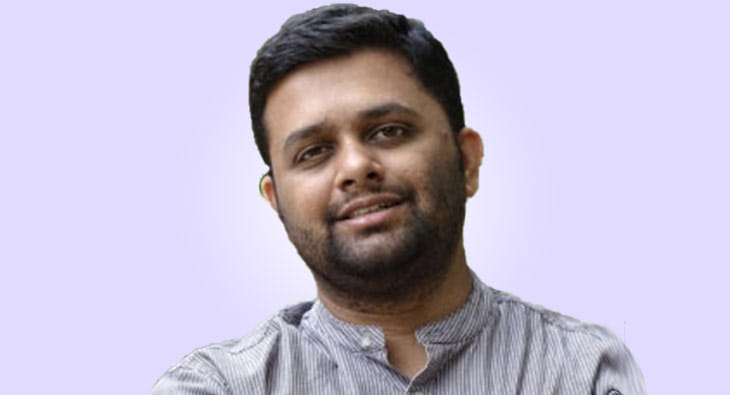

India’s pharmaceutical market is undergoing a tectonic shift. Branded generics account for nearly 87% of the Indian Pharmaceutical Market (IPM) by value, but the foundations of this long-standing model are beginning to show cracks. Fierce price competition, increased substitution by trade generics, and regulatory tightening have made growth through prescriptions alone a dangerously narrow path.
The pivot to over-the-counter (OTC) and consumer healthcare isn’t a tactical side bet anymore—it’s a strategic imperative. Between 2019 and 2023, the IPM clocked a healthy 9.1% CAGR, and is projected to grow at 9.6% till 2030, reaching ₹4.6 lakh crore. Yet, this growth is increasingly price-led rather than volume driven—a clear sign that the branded generics engine is running out of steam. In March 2025, while domestic firms grew 9% year-on-year, multinational companies grew faster at 10.4%, indicating rising global competitive pressure even within India’s borders. Firms like JB Chemicals, Cipla, and Intas have posted strong double-digit sales growth, but even stalwarts like Dr. Reddy’s and Sanofi are underperforming, growing at a meagre 1-5% in the same period.
The New Battleground: Chronic, Urban, and Consumer-Led
Therapeutic areas such as cardiology, neurology, endocrinology, and gastro-intestinal health are driving growth, with chronic therapies outpacing acute ones—11% vs. 8% YoY, respectively. But these same areas are now overcrowded, and price wars are common. Companies like Mankind, Sun Pharma, and Intas are looking at combinations of brand innovation, portfolio reshuffling, and strategic acquisitions to maintain relevance. Yet, most are still too wedded to the traditional MR-driven, prescription-first model.
Time to pivot: Where the next growth will come from
Indian pharma must now acknowledge the limits of the branded generics model that has long driven domestic growth. Chronic therapies like cardiology and diabetes remain volume drivers, but competitive intensity and the rise of trade generics are compressing margins and eroding brand loyalty. To stay ahead, firms need to redirect capital and capabilities toward faster
growing, consumer-centric segments. Dermatology, for instance, is witnessing a surge in demand for biologics and aesthetic solutions in urban markets. Similarly, respiratory and gastrointestinal therapies—amplified by pollution, stress, and lifestyle shifts—are ripe for over-the-counter expansion. The emerging playbook prioritizes brand ownership over prescription dependency. Mankind Pharma’s scale in Tier 2/3 cities is built on mass-market
recall, not just doctor push. Firms like Dr. Reddy’s are making calculated bets abroad, expanding into nicotine replacement and wellness portfolios to stay ahead of the curve. Success will hinge not on a larger sales force, but on building brands with resonance, distinct delivery formats, and multichannel presence—from e-pharmacies to direct-to-consumer platforms. The model that was once rewarded with incremental launches and wider MR coverage is losing relevance. The firms that will lead the next decade are those that can market like FMCG companies but innovate like pharma.
Rethinking Distribution and Consumer Engagement
Consumer health cannot be sold the way branded drugs are. The pivot requires digital transformation in go-to-market strategy—embracing omnichannel retail, D2C platforms, and influencer-driven trust-building. As e-pharmacy penetration accelerates (12.6% CAGR through 2030), the battleground will increasingly be shaped by marketing agility, not just medical rep muscle.
Innovation, Not Just Imitation
Regulatory-friendly formulations (e.g., paracetamol-zinc-vitamin combos during COVID) are low-hanging fruit. But firms must go deeper—developing proprietary delivery systems (like oral strips), acquiring niche nutraceutical startups, or investing in personalized medicine for chronic conditions. The consumer health gold rush rewards novelty, not me-too molecules.
The Writing on the Wall
India’s pharma sector has the volume muscle but needs brand memory and consumer intimacy to build enduring franchises. GSK’s Haleon spinoff and Sanofi’s retreat from consumer health signal an open playing field. Indian firms have the cultural and cost advantages to own this space, but only if they shed the inertia of the MR-led branded playbook. Branded generics may still be the heart of Indian pharma. But for those with eyes on the future, OTC and consumer healthcare are its next brain and spine. It's time the industry walked upright into that future.
(Dr. Kiran Mahasuar is an Assistant Professor in Strategy, Innovation, & Entrepreneurship Area at IMT Ghaziabad.)
Disclaimer: The views expressed here are solely those of the author and do not in any way represent the views of exchange4media.com.
Read more news about Industry Briefing, Internet Advertising, Marketing, PR & Corporate Communication, Television Media
For more updates, be socially connected with us onInstagram, LinkedIn, Twitter, Facebook YouTube & Google News