D2M broadcasting creates robust data pipe for content delivery: Dr. L. Murugan
D2M technology enables the transmission of video, audio and data directly to mobile handsets using terrestrial broadcast infrastructure—eliminating reliance on SIM cards or mobile data networks
 by
by
Published: Apr 1, 2026 1:05 PM | 3 min read
 Follow Us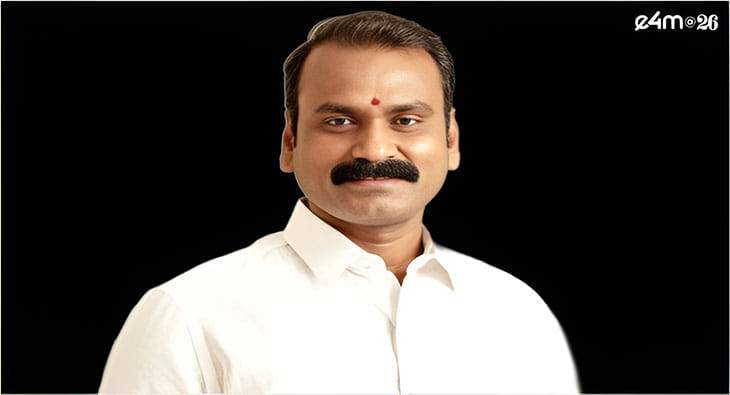

As India inches closer to the rollout of Direct-to-Mobile (D2M) broadcasting, the government has underscored the transformative potential of the technology in reshaping mass communication, with Minister of State for Information and Broadcasting Dr. L. Murugan highlighting its role as an affordable, scalable and resilient delivery mechanism.
Responding to a question in the Lok Sabha on Wednesday, Murugan said D2M broadcasting, along with digital radio, could “revolutionise mass communication” by optimising spectrum usage and enabling the delivery of multiple channels over a single frequency. The statement assumes significance as India prepares for a phased rollout of D2M services, seen as a potential disruptor to traditional telecom-driven content delivery.
At its core, D2M technology enables the transmission of video, audio and data directly to mobile handsets using terrestrial broadcast infrastructure—eliminating reliance on SIM cards or mobile data networks. This architecture positions D2M as a parallel “data pipe” that can operate independently of telecom operators, potentially easing network congestion while lowering content delivery costs.
Murugan emphasised that such capabilities could unlock wide-ranging public benefits. “D2M creates a robust data pipe for disseminating affordable entertainment, education, and critical emergency or disaster management alerts,” he noted in his written reply. Industry stakeholders have long argued that this could be a game-changer in a country like India, where data affordability and network reliability remain uneven across regions.
The government also highlighted the role of digital radio in creating a free-to-air ecosystem, complementing D2M’s capabilities. Together, these technologies are expected to strengthen last-mile connectivity, particularly in underserved and rural areas where mobile broadband penetration remains patchy.
Beyond D2M, the ministry outlined broader efforts to support emerging technologies in broadcasting. Under the Broadcasting Infrastructure and Network Development (BIND) scheme, Prasar Bharati is undertaking continuous upgrades of Doordarshan and Akashvani networks, including digitalisation and adoption of next-generation equipment.
On the issue of spam calls and messages, Murugan reiterated that the Telecom Regulatory Authority of India (TRAI) has deployed blockchain-based distributed ledger technology (DLT) platforms to regulate unsolicited commercial communications. These systems allow users to register preferences and lodge complaints, while ensuring accountability among telemarketers and enterprises.
The government’s push for D2M comes at a time when broadcasters and policymakers are exploring alternatives to data-heavy streaming models. With spectrum efficiency, cost advantages, and public service applications at its core, D2M is increasingly being positioned as a strategic layer in India’s digital broadcasting ecosystem.
As pilot projects and policy frameworks move toward execution, Murugan’s remarks signal that the Centre views D2M not merely as a technological upgrade, but as a foundational shift in how content—and critical information—is delivered at scale.
Read more news about Digital Media, Internet Advertising, Marketing News, Television Media, Radio Media
For more updates, be socially connected with us onInstagram, LinkedIn, Twitter, Facebook, YouTube & Google News
