ASCI's Sudhanshu Vats calls for stronger ‘trust infrastructure’ in advertising
In a post, he called for greater focus on preparing the next generation of advertisers to think beyond what constitutes effective advertising and consider what constitutes responsible advertising
 by
by
Published: Sep 22, 2026 5:14 PM | 3 min read
 Follow Us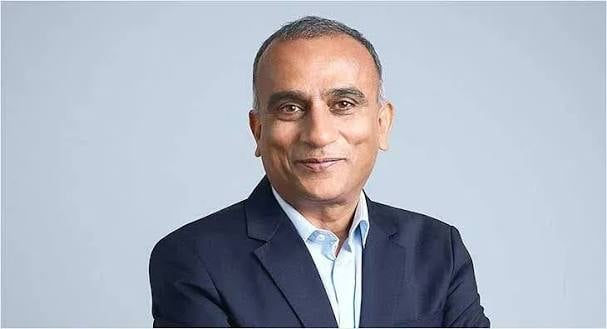

- Sudhanshu Vats, Chairperson of the Advertising Standards Council of India (ASCI), emphasizes the need for education and capability building in advertising to foster responsible practices amid growing trust issues.
- He highlights a widening gap between organizational messaging and audience perception, suggesting that faster policing of advertising is insufficient to address the challenges posed by misinformation and fraud.
- Vats calls for a shift in industry mindset from merely asking if content can be published to whether it can be defended and sustained with trust.
- ASCI's Vision 2032 includes establishing three Centres of Excellence focused on legal and policy, artificial intelligence, and the creator economy, aiming to build a trust infrastructure that supports responsible growth in advertising.
Sudhanshu Vats, Chairperson, Advertising Standards Council of India (ASCI), has called for greater emphasis on education and capability building to create an advertising ecosystem where responsible advertising becomes the natural choice.
In a post, Vats said the gap between what organisations intend to communicate and what audiences actually perceive is widening, particularly as advertising and content are being created at an unprecedented pace.
“Trust is depleting faster than most of us realise,” Vats said. “The gap between what organisations intend to say and what audiences actually perceive keeps getting wider. And with the sheer pace at which advertising and content are being created today, I don't think faster policing alone is the answer.”
He called for greater focus on preparing the next generation of advertisers to think beyond what constitutes effective advertising and consider what constitutes responsible advertising.
“What we need is education, capability building and an ecosystem that makes responsible advertising the natural choice,” he said. “That means preparing a new generation of advertisers to ask a harder question. Not just ‘what is good advertising?’ but ‘what is the right advertising?’”
Vats also urged the industry to rethink how it approaches the decision to publish advertising and content.
“And I'd love to see the industry move from asking ‘Can we publish?’ to asking ‘Can we defend, explain and sustain it with trust?’” he said.
According to Vats, trust has become a broader business and economic consideration amid the growing challenges of misinformation, fraud, scams and manipulation.
“Because in a world of misinformation, fraud, scams and manipulation, trust is no longer just a brand or advertising concern. It’s a business issue. It’s an economic asset,” he said.
Vats was referring to ASCI’s Vision 2032, presented at the organisation’s recent Annual General Meeting. As part of the vision, ASCI plans to establish three Centres of Excellence while strengthening the work of ASCI Academy.
The three proposed centres will focus on legal and policy, AI, and the creator economy. The Legal & Policy Centre of Excellence will focus on anticipating evolving legal and policy frameworks, while the AI Centre of Excellence will examine the opportunities and risks associated with artificial intelligence.
The Creator Centre of Excellence will focus on building capabilities in the creator economy through education and initiatives such as creator certification.
“The larger goal therefore is building a trust infrastructure that lets brands, marketers, agencies and creators grow responsibly while strengthening consumer trust,” Vats said.
He added that building such an ecosystem would require collective participation from the industry.
Read more news about Internet Advertising India, Marketing News, PR and Corporate Communication News, Digital Media News, Television Media News
For more updates, be socially connected with us onInstagram, LinkedIn, Twitter, Facebook YouTube & Google News