How Stanley turned a metal cup into a cultural movement
Guest Column: Dr. Samir Kapur, Director, Adfactors PR talks about the Stanley story, marketing hacks and what Indian brands should learn about human behaviour
 by
by
Published: Aug 6, 2025 3:50 PM | 5 min read
 Follow Us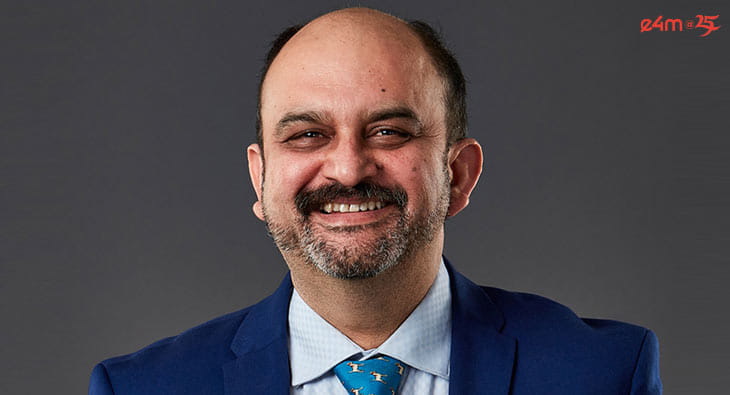

Sometimes, a product stops being just a product. It becomes something people talk about, carry with pride, even compete to get their hands on. That’s exactly what happened with the Stanley Cup—not the trophy, but the insulated metal tumbler from a 110-year-old company that used to be known for making rugged thermoses for construction workers.
In just four years, Stanley’s revenue jumped from $74 million to $750 million. Not because they launched a high-tech version of the cup. Not because of a celebrity endorsement. But because they understood something far more powerful: people today buy into stories, not just stuff.
It Started with a Fire—and a Viral Moment
The turning point came when a TikTok video showed a Stanley cup that had survived a car fire, ice still clinking inside. Terence Reilly, the new Stanley President (and the guy who helped Crocs go from ugly to iconic), didn’t miss a beat. He sent the woman a new cup—and a new car.
That moment wasn’t just good PR. It showed the brand had heart. It said, “We see you.” In a world where most companies feel robotic, that kind of gesture hits home. And more importantly, people shared it—because it felt real.
People Don’t Just Buy Things Anymore—They Join In
What made Stanley explode wasn’t ads. It was community. Women on TikTok started showing off their tumblers like they were trophies—matching them with outfits, organizing kitchen shelves around them, and filming “cup hauls” like fashion influencers.
Stanley cups weren’t selling hydration. They were selling identity. Owning one said something about who you were—or wanted to be.
And the smartest part? Stanley didn’t try to control the narrative. They handed the mic to their audience. The brand gave people limited color drops (which sold out instantly), collaborated with content creators, and let fans turn the cup into a trend.
The Product Didn’t Change—The Story Did
Here’s what makes this so impressive: Stanley didn’t reinvent the product. Their last big update was back in 2016. What changed was the way they framed it.
They nailed a few things most marketers talk about, but rarely get right:
- FOMO-driven drops: Limited colors and seasonal exclusives kept people watching and waiting.
- Relatable creators: Not just influencers—but moms, gymgoers, teachers, nurses. Real people with real stories.
- Multiple identities: The same cup appealed to fitness fans, sustainability advocates, and style-conscious shoppers.
- Offline madness: Viral demand translated to empty store shelves and even thefts—making the hype feel tangible.
All this, and the product still did what it always did: keep drinks cold and last forever.
Real Quality Still Wins
Let’s be clear—none of this would’ve worked if the cup didn’t deliver. That’s a big reason Stanley’s growth isn’t just a viral flash in the pan. It’s built on a base of product trust.
This is where it earns comparison to brands like Yeti or Apple. Sure, the buzz helps. But when the dust settles, it’s the product that keeps people coming back.
When Things Get Messy, Stay Calm
No brand skyrockets without some bumps. Stanley faced criticism around possible lead content in its cups. Competitors like Owala and Hydro Flask tried to ride the wave by throwing shade.
Stanley didn’t panic. They answered questions directly, stayed calm, and showed transparency. In today’s internet-fed outrage culture, that kind of straight talk builds more trust than any ad campaign ever could.
It’s a reminder that silence during a crisis doesn’t make you look careful. It makes you look guilty.
What Indian Brands Can Learn
There’s a lot here for Indian marketers, founders, and comms professionals to take note of:
- Start with people, not products. You’re not just selling things—you’re helping people express who they are.
- Be part of the culture. Don’t push a message. Join the moments people already care about.
- Watch for real stories. That viral car fire wasn’t planned. But reacting to it with heart—that was strategy in action.
- Let the product speak. If you need to fake the hype, you’re in trouble. Make something solid, and trust your customers to do the talking.
Bottom Line
The Stanley story is less about marketing hacks and more about human behavior. It’s about understanding how people connect with brands in 2025—not just as consumers, but as collaborators, fans, and storytellers.
In a noisy world, what cuts through isn’t shouting louder. It’s listening better. And Stanley listened—to its customers, to its moment, and to the signals that most brands miss.
They didn’t just build a brand. They built a movement.
Read more news about PR and Corporate Communication News, Internet Advertising, Marketing News, Digital Media News, People Movement News
For more updates, be socially connected with us onInstagram, LinkedIn, Twitter, Facebook YouTube & Google News