Zee expands content and channel line-up, targets ad growth via SME and FTA push
Speaking to e4m, Ashish Sehgal, Chief Growth Officer at ZEEL, shared insights into the broadcaster’s evolving roadmap and its approach to engaging advertisers, partners, and viewers
 by
by
Published: Jul 18, 2025 11:35 AM | 6 min read
 Follow Us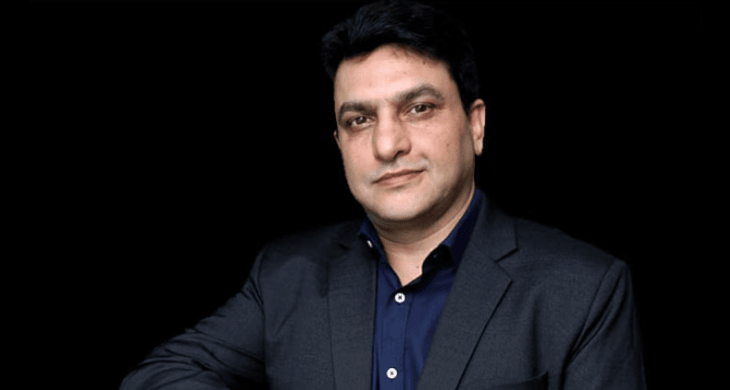

Zee Entertainment is undergoing a series of strategic changes aimed at strengthening its content, distribution, and advertising propositions. These include the launch of new initiatives such as the RISE event, Bullet - its short-form content vertical on Zee5, and new television channels like Zee Power and Zee BanglaSonar. As part of its broader vision, the company is also working towards a significant goal: doubling its domestic advertising revenue by FY28.
Speaking to exchange4media, Ashish Sehgal, Chief Growth Officer at Zee Entertainment Enterprises Ltd., shared insights into the broadcaster’s evolving roadmap and its approach to engaging advertisers, partners, and viewers in the changing media landscape.
Zee’s recently held RISE event marked a strategic move to engage with new-age advertisers, particularly small and medium enterprises (SMEs), and communicate the network’s evolving positioning. “RISE is not just a one-day event; it is a platform designed to bring together SMEs and provide them with a comprehensive perspective on what Zee represents today and what it is building for the future,” said Sehgal.
While Zee has long been perceived primarily as a traditional TV broadcaster, the company is now showcasing its diversified media ecosystem that includes Zee Live, Zee5, Zee Music, Zee Studios, and an expansive digital footprint across YouTube and social platforms. “A lot of advertisers didn’t know that we produce movies or run live events. We wanted to change that narrative,” he explained.
The event also witnessed the launch of two new channels, Zee Power and Zee BanglaSonar which underline the network’s continued commitment to regional growth and free-to-air expansion.
For advertisers and partners, Zee’s messaging is clear, the brand is large enough to offer scale, yet agile enough to customize and curate campaigns. “We’re showcasing our ability to provide tailored solutions, even while reaching millions across formats. That’s our dual edge,” Sehgal noted.
The renewed identity also reinforces Zee’s intention to not just deliver content but own its relationship with the consumer, be it via television, OTT, social media, or live IPs.
What the market can expect
The immediate priorities are clear: expand viewership, increase market share, and grow consumer touchpoints across linear and digital platforms. Zee plans to distribute its content aggressively, not just in India but globally, through avenues like Zee5 and FAST channels on OEM platforms.
Over the next 6 to 12 months, Zee is prioritizing viewership growth and deeper market penetration. “We’re targeting consumers who haven’t experienced Zee content yet, be it via TV, OTT, or FAST channels through OEMs,” he said.
A key focus area is building homegrown IPs that can travel across geographies and platforms. “When you own the IP, you can monetize through syndication, live events, merchandising, and more,” Sehgal explained. “It’s no longer just about ad slots or subscriptions.”
He added, “We are focused on developing a strong slate of homegrown IPs that can drive long-term growth. The goal is not just to create content for one language or market, but to build formats that can be adapted across geographies, both within India and internationally. This approach marks a shift in how we view content creation, moving from one-off shows to scalable, multi-format IPs with long-term value.”
Zee is also innovating on formats with products like Bullet, its short-form micro-drama initiative on Zee5, and mini-series formats (7 episodes of 24-30 minutes each) aimed at audiences accustomed to bite-sized, bingeable content.
Zee’s entry into the creator-driven content space is already underway. “We’ve launched ‘Bullet’ to meet short-form demand. But even in reels or bite-sized formats, we remain committed to responsible storytelling that resonates with families,” Sehgal clarified.
He pointed out that even Zee’s long-form characters are being repurposed into short-form content to maintain continuity and deepen engagement. “Our characters are becoming like friends to the audience, and that’s the kind of emotional connect we’re looking to scale.”
As Zee ramps up investments in regional, kids, and mythological genres, the question of balancing creative risks with returns becomes critical. “We don’t greenlight anything without deep consumer insights. From metros to small towns, we conduct extensive focus group discussions to understand what kind of stories resonate,” Sehgal shared.
Interestingly, Zee is moving away from a dependence on star power, focusing instead on strong scripts and fresh talent. “If your story is strong and the script is tight, the audience connects. We’re also nurturing new creators and actors, thereby enriching the overall creative ecosystem.”
Regional and FTA expansion
Zee’s regional strategy is less about territory and more about language and culture. “Each language has its own cultural nuance, but consumer behavior patterns offer common threads,” Sehgal said. This allows Zee to localize stories deeply, and, if successful, replicate and adapt them across markets, both domestic and international.
Sehgal further noted that this approach is part of what they call a windowing strategy. “Our regional focus is not limited to specific geographies but is driven by language and cultural context. Hindi is just one of the many languages we operate in; we are equally invested in content across seven other languages. The objective is to craft stories that deeply resonate within each linguistic and cultural setting. However, we also identify common patterns in content consumption. If a story performs well in one language, we explore opportunities to adapt and extend it to other markets. This cross-language adaptability plays a key role in shaping our regional content strategy.”
The network is also bullish on free-to-air formats and is re-investing in FTA channels, seeing them as critical access points for both consumers and advertisers in price-sensitive markets.
With ambitious plans to double domestic ad revenue by FY28, Zee is banking on three levers: expanding inventory through new channel launches, bringing back lost TV ad budgets, and onboarding emerging brands.
As Sehgal said, “Our strategy begins with strengthening our base channels while simultaneously expanding our portfolio through the launch of two new channels, which will add to our advertising inventory. We’ve also relaunched our free-to-air (FTA) channel, opening up additional avenues for advertisers to reach mass audiences. The focus is on creating more opportunities for brands to engage meaningfully with our diverse consumer base.”
He added, “This, in turn, is expected to help increase advertiser spends on our network and recover some of the television ad revenues that have been declining.”
The renewed focus on FTA channels, CTV (connected TV), and branded content solutions is expected to create a more diverse, resilient revenue mix. “We’re not relying solely on the top 50–60 clients anymore. We’re educating digital-first and SME brands about the power of TV and multi-platform integration. Expanding the client base across markets and geographies is a key priority in this next phase of growth,” Sehgal concluded.
Read more news about Television Media, Digital Media, Advertising India, Marketing News, PR and Corporate Communication News
For more updates, be socially connected with us onInstagram, LinkedIn, Twitter, Facebook YouTube & Google News