Pahalgam Attack & Operation Sindoor: The fallout for creator economy
Tanya Mittal’s case shows how political controversy can swiftly end influencer ties with brands and governments, underscoring rising risks and regulation in India’s growing creator economy
 by
by
Published: May 7, 2025 9:25 AM | 6 min read
 Follow Us

“Terrorism has no religion.”
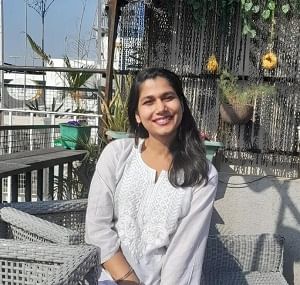
These remarks reportedly cost influencer Tanya Mittal her association with the tourism departments of Uttar Pradesh and Madhya Pradesh. These Known for her temple tourism content and self-identification as a "Sanatani"—with videos from the Mahakumbh—Mittal has a following of 2 million on Instagram.
She faced backlash after commenting on the April 22 Pahalgam terror attack in Jammu and Kashmir. In her now-deleted post, she shared that Kashmiri locals helped her friends reach Srinagar safely and urged unity during the crisis. However, many accused her of overlooking the religious nature of the attack, which killed 26 civilians, mostly Hindu tourists. The controversy prompted clarifications from both UP and MP Tourism denying any official association with her—despite her Instagram bio naming her as a brand ambassador.
View this post on Instagram
She has worked with many non-profit organizations and has also been associated with retail, hotel chains, and beauty brands.
A Fragile Alliance
Mittal’s case points to how influencer-brand collaborations, even those involving government bodies, can be quickly dropped when controversy arises. In the world of influencer marketing, brand safety remains paramount—and political associations are no exception. Governments, like brands, are keen to avoid reputational risks. Once social media commentary enters polarising territory, partnerships can become liabilities, regardless of prior affiliation or reach.
She’s not alone. Others like Lucknow University professor Madri Kakoti (known online as Dr Medusa) and Bhojpuri folk singer Neha Singh Rathore were also booked for social media posts linked to the same incident. Both face sedition charges under separate FIRs in Uttar Pradesh.
Influencers in the Crosshairs
The government also moved swiftly to manage public sentiment after the attack—apart from traditional media briefing, social media influencers were used for PR, experts pointed out.
For example, soon after reports of inflated airfares from Kashmir to Delhi emerged, several creators posted videos asserting that the government had taken quick action to bring the prices down and normalise flight operations.
Watch here: https://www.instagram.com/reel/DIyv3h1IL7B/?utm_source=ig_web_copy_link&igsh=MzRlODBiNWFlZA==
What stood out was the synchronised nature of the messaging—and the fact that none of the posts indicated they were part of a govt partnership. The absence of transparency raised flags in advertising and policy circles, especially as influencer-led messaging played a crucial role in shaping public perception at a sensitive time.
While effective in crisis communication, such undisclosed partnerships tread dangerously close to covert advertising, raising serious questions around ethics and regulatory compliance.
Policy Goes All-In on Influencer Economy
Beyond ad hoc campaigns, the government’s push toward formalising influencer engagement has gained momentum. The Uttar Pradesh government, led by Yogi Adityanath, last year, rolled out the Digital Media Policy, institutionalising influencer marketing to promote government schemes.
The policy not only proposes structured payouts—ranging from ₹3 lakh to ₹8 lakh per month depending on platform and content type—but also brings with it a controversial edge.
Content deemed "anti-national" under this policy can attract imprisonment ranging from three years to life. Obscene or defamatory posts, meanwhile, may trigger criminal defamation suits.
A dedicated agency, V-Form, has been appointed to oversee digital ad spends, with influencers divided into four tiers based on their follower count. While the policy is seen as a boost for India’s booming creator economy, it walks a fine line between incentivising content creation and suppressing dissent.
Not just the Yogi government, the Modi government has also allocated a $1 billion fund to support creators and position India as the world’s largest exporter of content. Additionally, the government is investing ₹391 crore in the Indian Institute of Creative Technology to boost the industry.
India’s creator economy, valued at ₹125 billion in 2024, is projected to grow to nearly ₹500 billion by 2030, marking a compound annual growth rate (CAGR) of 25%, according to a recent EY report.
Cracking Down on Platforms Post-Pahalgam
As influencer content once again made its way into parliamentary debate—first during the India’s Got Talent controversy involving comedians Samay Raina, and now post the Pahalgam attack—a standing committee has stepped in.
The Parliamentary Committee on Information Technology has written to the Ministry of Information and Broadcasting and the Ministry of Electronics and IT, asking for details on action taken against influencers and platforms accused of working "against the interest of the country."
The ministries have been asked to respond by May 8 (tomorrow), with suggestions that platforms may be banned under provisions of the IT Act 2000 and the Intermediary Guidelines and Digital Media Ethics Code, 2021.
This follows a broader crackdown where over a dozen Pakistani news channels on YouTube—including Geo News, ARY, Samaa TV, and Dawn—were blocked in India on national security grounds.
The Information Ministry has also issued fresh advisories urging social media users and journalists to act with “utmost responsibility” while posting content related to defence and security matters.
Lessons for Marketers
With consistent blurring of lines between the campaign content, political-storyelling and propaganda, brands are beginning to take note.
Experts have cautioned that companies engaging in influencer-led campaigns—especially those touching socio-political narratives—must follow strict due diligence. Reputation management has become a key concern, especially after instances like the Samay Raina controversy, where backlash impacted not just the influencer but the associated brands.
Marketers are now advised to keep five key practices in mind:
- Ensure full disclosure of paid partnerships
According to ASCI guidelines, all branded content must be clearly labelled to avoid misleading audiences. Non-disclosure can lead to trust erosion and legal consequences. Experts also advised that maintaining clarity can also help audiences make informed decisions about the content they engage with. - Vet influencer content for alignment with brand values
Before collaborating, brands should thoroughly review an influencer’s past and present content. Any mismatch in values or tone can damage brand perception. Long-term reputation outweighs short-term reach in such partnerships. - Avoid political or polarising narratives unless central to the campaign
Sensitive socio-political themes can trigger public backlash if not handled carefully. Brands should steer clear unless such themes are essential to the message. Even then, the messaging must be balanced, inclusive, and legally vetted. - Monitor real-time audience response and sentiment
Live tracking of comments, shares, and audience sentiment can help detect emerging issues early. Tools like sentiment analysis and social listening are vital. Swift response to negative trends can contain reputational damage. - Have a crisis mitigation plan ready in case of backlash
Preparedness is key—brands must have a protocol for quick communication, influencer coordination, and damage control. A solid crisis plan includes draft statements, legal inputs, and designated spokespersons. Being proactive can save brand equity during online storms.
As governments are becoming strategic clients and content can quickly become a political minefield, advertising no longer operates in a vacuum. As influencer marketing becomes more entrenched in public policy, the industry must tread carefully—balancing creativity, compliance, and conscience.
Read more news about Influence Zone, Marketing, PR and Corporate Communication, Internet Advertising, People Movement
For more updates, be socially connected with us onInstagram, LinkedIn, Twitter, Facebook, YouTube & Google News