Why the future of protein isn’t frozen
Guest Column: Aakash Shah, CoFounder & CEO, High Time Foods, and Damian Felchlin, CoFounder & CTO, High Time Foods, share their take on the challenges around protein intake in the Indian diet
 by
by
Published: Jun 26, 2025 1:40 PM | 5 min read
 Follow Us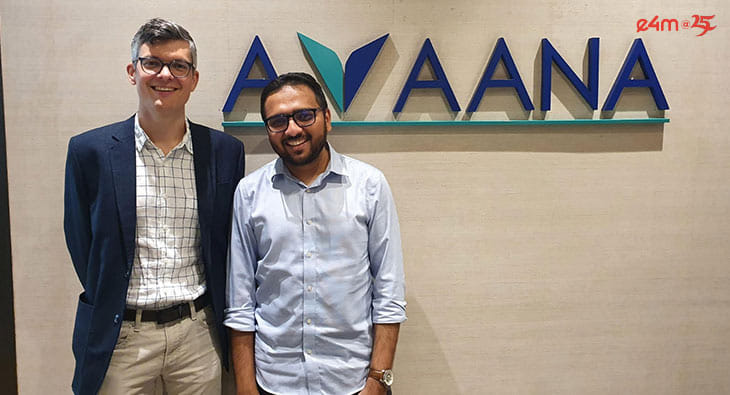

Every day, our bodies need essential macronutrients: carbohydrates, fats, fiber, and protein. While traditional Indian meals like dal, rice, and roti provide plenty of carbohydrates, they typically deliver only 5–10 grams of protein per serving. Yet, the average adult needs about 1 gram of protein per kilogram of body weight daily. For someone weighing 60 kg, that’s 60 grams of protein per day.
Despite this need, over 70% of the Indian population does not meet its daily protein requirement. The reasons are many—cost, accessibility, and cultural habits among them—but the implications are serious. Without enough protein, we’re not just undernourished; we’re underpowered as a society. And if we’re struggling to meet today’s demand, how will we nourish 1.4 billion people in an era of rising food insecurity, climate disruption, and fragile infrastructure?
This challenge led us to rethink the way protein reaches people—especially in regions vulnerable to extreme weather, power outages, and broken cold-chain systems. We began asking a fundamental question: What if the future of protein isn’t refrigerated at all?
Too often, solutions to the protein gap rely on infrastructure-heavy, energy-intensive systems—conventional animal protein being a prime example. These systems require vast amounts of land, water, and feed, not to mention continuous refrigeration to maintain safety and shelf life. But in many parts of India and the Global South, reliable cold storage remains a luxury. For millions, it simply isn’t realistic.
What is realistic—and urgently needed—are protein-rich foods that are affordable, tasty, easy to prepare, and most importantly, shelf-stable. This is where we’ve chosen to focus our work.
Over the last few years, we’ve worked on developing plant-based proteins that don’t require refrigeration and can integrate seamlessly into everyday cooking. Our products are based on familiar crops like peas, soy, and wheat. Through a process known as extrusion—where plant proteins are heated and pressed through a machine to form consistent textures—we’ve been able to create high-protein ingredients that hydrate quickly and adapt to a range of dishes.
Extrusion might sound technical, but it's the same process behind foods many of us eat daily—like pasta or breakfast cereal. What makes it powerful in the context of protein is that it enables the creation of shelf-stable formats that are dense in nutrition, light to transport, and simple to prepare.
In our work with chefs, restaurant operators, and distributors across India and the U.S., we’ve seen firsthand how transformative this can be. Whether it’s protein mince for a veg keema, chunks used in kebabs, or high-protein fillings for momos or samosas, shelf-stable proteins open up a whole new category of affordable nutrition—without needing deep freezers or high-end storage.
We’ve also seen how this approach unlocks potential in regions far beyond urban centers. In parts of rural India or West Africa, where power cuts are common and food access is uneven, shelf-stable protein isn’t just a convenience—it’s a lifeline. In one project, for example, we’ve been working with partners to integrate protein into instant noodles, creating a complete, shelf-stable meal that can nourish communities with minimal resources.
Along the way, we’ve learned a few key things:
First, access beats novelty. While the world of alternative protein is often focused on cutting-edge tech or lab-grown innovations, the most urgent need is for simple, scalable solutions that work in everyday settings.
Second, infrastructure matters. A breakthrough product isn’t enough if it depends on systems that don’t exist. In regions where cold storage and refrigerated transport are unreliable or missing altogether, foods that require refrigeration simply won’t reach the people who need them most.
Third, taste is non-negotiable. Whether it’s a home cook or a restaurant chef, no one is going to use a protein product—no matter how sustainable—if it doesn’t taste great or blend well with local recipes.
We’ve been fortunate to collaborate with chefs who are helping us refine these formats. In one case, a restaurant chain in South India recently launched a shelf-stable seekh kebab—proof that this approach isn’t just viable, but desirable in mainstream foodservice.
Of course, challenges remain. Shelf-stable plant-based protein is still a nascent category in India. Supply chains, awareness, and policy incentives all need to catch up. But as climate change accelerates and global population climbs from 8 to 9 billion in the next decade, the pressure to build food systems that are efficient, resilient, and equitable will only grow.
We believe shelf-stable protein can be a major part of that transformation—bridging the gap between what’s nutritionally needed and what’s practically possible. For India especially, where infrastructure is uneven and demand is high, the future of protein will likely be defined not by frozen aisles but by what can travel far, cost little, and nourish many.
It’s high time we expand our imagination beyond cold storage and one-size-fits-all solutions. In a hot, hungry, and rapidly changing world, the future of protein isn’t frozen—it’s long-lasting, easy to store without refrigeration, and can be used in any dish, any cuisine.
Disclaimer: The views expressed here are solely those of the author and do not in any way represent the views of exchange4media.com.
Read more news about Industry Briefing, Internet Advertising, Marketing, PR & Corporate Communication, Television Media
For more updates, be socially connected with us onInstagram, LinkedIn, Twitter, Facebook YouTube & Google News