After the Storm: How the Event Industry weathered the Indo-Pak crisis
As tensions de-escalate, the industry is approaching the rest of the year with cautious optimism
 by
by
Published: May 17, 2025 10:54 AM | 3 min read
 Follow Us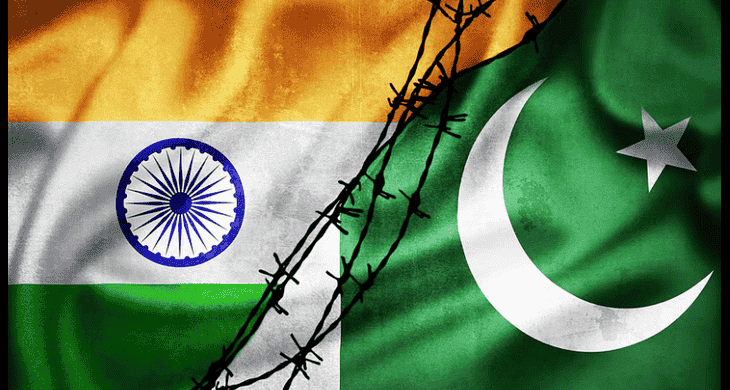

The recent escalation in Indo-Pakistani tensions following the Pahalgam terror attack, which claimed 26 civilian lives, triggered a wave of disruptions across India. In response, India launched Operation Sindoor, targeting alleged terrorist infrastructure in Pakistan. The retaliatory atmosphere and rising cross-border hostility created a climate of deep uncertainty, one that quickly rippled into the country’s dynamic event industry.
Immediate Impact on Events
As national security concerns surged, large-scale events across India were either cancelled or postponed.
“Clients were pushing away their business and postponing events for a few months to begin with. Most large-scale industry events were moved to later dates,” said Ankur Kalra, Managing Director of Vibgyor and General Secretary of EEMA (Event and Entertainment Management Association).
By mid-May, industry estimates suggest that 50–60% of scheduled events were either paused or rescheduled, including business conferences, award nights, and public cultural festivals.
Artists and performers responded swiftly to the national mood. Singers such as Shreya Ghoshal, Arijit Singh, and Kailash Kher postponed concerts, while major film releases and promotions were delayed. The IPL also faced disruptions, with matches rescheduled amid security concerns.
“Looking at social media and global trends, a number of international events, including concerts, film festivals and even large-scale weddings, were being postponed or called off,” shared Sanjoy Roy, Managing Director of Teamwork Arts.
Many performers slated for international appearances faced additional hurdles, including visa delays, soaring travel costs and heightened political sensitivities. “Everything felt more fragile,” Roy said. “Even in the creative space, the tone of events was shifting, less glitz, more gravity.”
Weddings and Private Events: A Calmer Tone
The wedding sector, typically immune to disruption, wasn’t untouched. Many families opted for scaled-down ceremonies, focusing on intimacy and cultural sanctity over spectacle.
“In such times, we don’t want to risk the emotions or money of our clients or go against the national sentiment,” said Pramod Lunawat, CEO of Millennium Event and Marriageuana.
Brands and planners quickly pivoted to digital alternatives, with virtual launches, webinars, and hybrid engagements gaining traction.
“Some brands switched to low-key digital launches or webinars. The storytelling continued, just through a different lens,” Kalra noted.
Sushma Gaikwad, Co-founder of Ice Global, pointed out that contracts and insurance have taken center stage. “Contracts with clients, artists and venues are being re-evaluated. Future events are now being planned with greater risk sensitivity.”
She also highlighted a shift in destination trends: “Countries like Azerbaijan and , once popular for destination events, have fallen out of favor. Event-linked travel packages to these regions are now on hold.”
A Cautious Comeback
As tensions de-escalate, the industry is approaching the rest of the year with cautious optimism. The crisis may have underscored vulnerabilities, but it also reinforced the industry's ability to adapt under pressure.
More importantly, the collective response, from scaled-down weddings to silent stages has shown that India’s event ecosystem isn’t just resilient, it’s responsible.
( With inputs from Ojasvi Kapoor)
Read more news about Experiential Marketing, Internet Advertising, Marketing, PR & Corporate Communication& Television Media.
For more updates, be socially connected with us onInstagram, LinkedIn, Twitter, Facebook YouTube & Google News