How online gaming is transforming youth culture and fueling economic growth
Guest Column: Dr. Anil Singh, Editor, STAR Views, shares his take on how online gaming contributes significantly to the country’s economy
 by
by
Published: Jun 4, 2025 12:27 PM | 6 min read
 Follow Us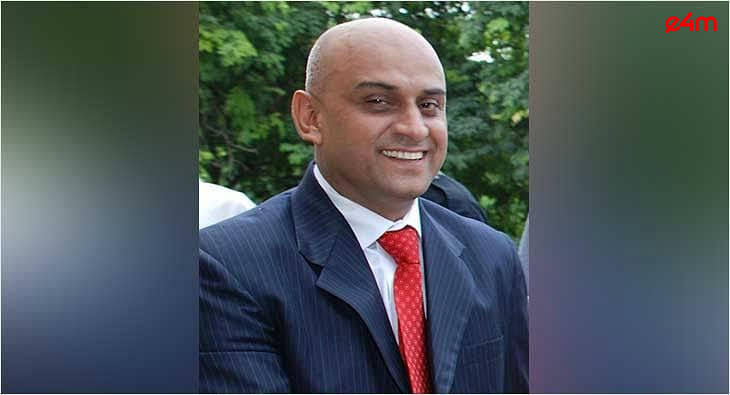

Online gaming in India has evolved from a casual pastime to a mainstream economic and cultural phenomenon. No longer confined to teenagers playing in cyber cafés, the gaming revolution today permeates every stratum of Indian society—from urban youth to rural households, from digital entrepreneurs to esports athletes. With a booming user base, rising investments, and emerging professional avenues, online gaming is now a vibrant and legitimate sector contributing significantly to the country’s economy.
? A Booming Digital Sector: From Pastime to Powerhouse
India’s online gaming industry is expected to cross the $5 billion mark by 2025, as per leading industry projections. This surge is being propelled by affordable smartphones, 5G internet rollout, cloud gaming innovations, and government-backed digital inclusion initiatives like Digital India. With over 400 million gamers, India ranks among the top five global markets for mobile gaming.
The economic footprint of gaming extends far beyond game developers. It encompasses app monetization, e-sports tournaments, streaming platforms, advertising, and microtransactions. Gaming has generated thousands of direct and indirect jobs—in design, programming, content creation, and event management—becoming a serious component of India’s new-age digital economy.
⸻
? Youth and Gaming: A Lifestyle, Not Just a Hobby
Online gaming is rapidly integrating into the everyday lives of India’s youth. It is no longer seen as a distraction but a source of skill development—enhancing cognitive reflexes, problem-solving, team coordination, and decision-making. In a society increasingly driven by digital interaction, gaming offers a new space for social connectivity and identity formation.
Gaming streamers and influencers on YouTube, Loco, and Rooter command massive followings and earn substantial incomes. Competitive gamers are participating in global tournaments, bringing visibility and recognition to Indian esports on international stages. India’s representation on platforms like the Asian Games esports category is only the beginning.
⸻
⚽ From Virtual Stadiums to Real Impact: Esports as Sport
Esports, or competitive online gaming, is now viewed as a legitimate sport. With major tournaments drawing millions of live viewers and sponsorships from global brands, the industry mirrors traditional sports like cricket and football in terms of fan engagement and revenue generation.
Indian Premier League (IPL) teams and sporting celebrities have invested in esports teams and platforms. Events like BGMI Masters Series and Free Fire India Championship have become marquee properties in India’s sporting calendar. Moreover, government bodies such as the Sports Ministry and the Indian Olympic Association have started acknowledging esports under their domain, encouraging state-level competitions and athlete recognition.
⸻
? Learning Through Play: The Rise of Edutainment
Beyond entertainment and sports, online gaming is influencing education through gamified learning platforms. Apps like BYJU’s, Unacademy, and Toppr use gaming logic to teach complex subjects, increasing engagement and retention. This synergy of education and entertainment—known as edutainment—is revolutionizing learning patterns, particularly among primary and secondary students.
Serious gaming—used for training in fields like defense, aviation, and healthcare—also showcases how online gaming’s potential goes far beyond recreation.
⸻
⚖️ Judiciary Speaks: Madras High Court’s Timely Intervention
In a landmark move, the Madras High Court recently underscored the urgency for the online gaming industry to act responsibly, calling upon the government and tech companies to take coercive steps to protect society from the ill effects of unregulated gaming. The court, while hearing a petition on digital addiction and moral degradation caused by certain mobile applications, directed authorities to remove defunct and harmful apps from app stores and ensure stricter monitoring mechanisms.
This judicial intervention is a timely reminder that innovation must walk hand-in-hand with accountability. The judgment supports the need for regulatory balance—where creativity is encouraged, but not at the cost of public interest or societal harmony. The court emphasized that unchecked proliferation of gaming content without age filters, time limits, or ethical boundaries could lead to psychological and social disturbances among youth.
⸻
Government’s Role: Supportive but Needs Streamlining
Recognizing the sector’s potential, the Indian government has offered indirect support through digital economy reforms. Digital India, Startup India, and state-level incubation programs have provided infrastructural and entrepreneurial impetus. The recognition of esports as a “multi-sport event” in official circles is a milestone.
However, the absence of a central gaming framework has led to inconsistent policies across states. The judiciary’s observation has added momentum to the demand for centralised legislation and regulatory consistency, especially in distinguishing between games of skill and chance and curbing predatory monetization models.
⸻
? The Regulatory Imperative
Online gaming must now mature within a legal framework that safeguards innovation while protecting users. A central gaming regulatory authority, or National Gaming Commission, should be constituted to provide oversight, define age-appropriate content norms, ensure cybersecurity, and regulate in-game financial transactions.
The Madras High Court’s guidance should serve as a blueprint. Regular app audits, classification of games, self-regulation codes, and grievance redressal platforms must be institutionalised. As seen in sectors like fintech and OTT content, regulation does not stifle growth—it enables trust.
⸻
? The Way Forward: Strategic Play for India’s Digital Future
To harness online gaming’s full potential, India must:
- Institutionalize Gaming Education
Encourage universities and technical institutes to offer certified programs in game development, animation, AI, and esports management.
- Foster Indigenous Content
Promote Indian-themed games with cultural narratives through subsidies, contests, and government-led IP initiatives.
- Build Infrastructure for Esports
Develop gaming arenas, broadband clusters, and streaming hubs across tier-2 and tier-3 cities.
- Enforce Responsible Gaming
Implement age-based access, parental control tools, and mental health awareness campaigns to ensure safe user experiences.
- Encourage FDI with Guardrails
Attract global investors while maintaining national cyber sovereignty and data localization.
⸻
? Conclusion: A Digital Destiny in the Making
India’s online gaming boom is more than just a digital wave—it is a socio-economic shift shaping the future of youth culture, employment, education, and entertainment. The recent Madras High Court judgment is not a brake on the industry but a course correction for sustainable innovation.
As India strives toward a $10 trillion digital economy, the online gaming industry must be equipped with regulatory clarity, cultural legitimacy, and institutional support. This is a moment not just to grow, but to grow responsibly—ensuring that the benefits of digital gaming reach every Indian, without compromising ethical, mental, and social health.
The game is not just on—it’s now governed by the rules. India must play to win.
Disclaimer: The views expressed here are solely those of the author and do not in any way represent the views of exchange4media.com.
Read more news about Digital Media, Internet Advertising, Marketing News, Television Media, Radio Media
For more updates, be socially connected with us onInstagram, LinkedIn, Twitter, Facebook, YouTube & Google News
