Campaigns to Cultural Reactions: Why 2025 belonged to micro-trends
Cultural reactions became a workaround for attention in an overcrowded feed with brands filtering trends through their identity
 by
by
Published: Jan 1, 2026 7:52 AM | 5 min read
 Follow Us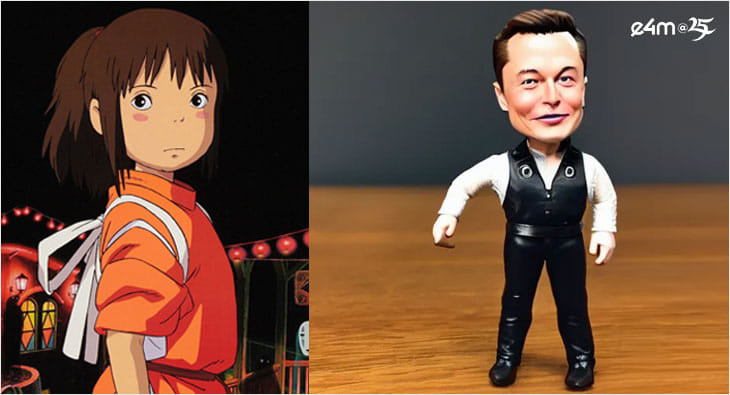

In 2025, Indian brand marketing quietly crossed a threshold. The year marked a decisive move away from heavyweight, long-cycle campaigns towards rapid cultural participation, content designed to react, remix and disappear almost as quickly as it surfaced. Micro-trends didn’t just dominate feeds; they reshaped how relevance itself was defined. Speed replaced scale, context beat craft, and reaction time emerged as a new competitive advantage.
As Gopa Menon, COO and Co-founder, Theblurr observes, the shift was driven by a fundamental change in consumer expectation. “Just as consumers expect groceries in ten minutes, they now expect brands to react to culture in real time. The traditional four-week campaign cycle became obsolete because context now expires in 48 hours.”
India’s cultural landscape was itself fragmented in 2025, with algorithmic micro-bubbles replacing the idea of a single, pan-India trend, he added. For brands, staying visible meant responding to multiple small cultural moments rather than betting on one big idea.
That fragmentation explains why brands leaned heavily into formats that felt native to feeds rather than overtly branded. Ghibli-style AI illustrations, for instance, flooded LinkedIn and Instagram as founders and brands reimagined offices, cafés and origin stories through soft, nostalgic visuals. Similarly, AI action-figure and toy-box edits turned founders, employees and mascots into collectible characters, with packaging copy doubling up as brand storytelling. These trends weren’t about originality as much as recognisability, they worked because audiences instantly understood the format.
Yet, visibility did not automatically translate into memory. Menon is blunt about the limitations of trend-led marketing. “Micro-trends mostly build momentary relevance, often at the cost of memory structures,” he notes. Consistency, repetition and emotional anchoring, core ingredients of brand recall, are rarely delivered by fleeting formats. While some D2C brands successfully used trending audio or templates as entry points into longer narratives, many others participated simply to capture screenshots and short-term engagement.
That tension between relevance and recall became more pronounced as formats multiplied. Micro-drama reel series, shot like daily soaps and designed to stretch into Part 2 and Part 3, emerged as one of 2025’s strongest retention plays. Fintechs dramatised salary delays and UPI mishaps, beauty brands explored roommate conflicts and wedding pressure, while HR and edtech brands leaned into toxic boss storylines. The cliffhanger, not the product, drove comments, and algorithms rewarded the pause.
Other trends leaned heavily into familiarity and intimacy. Brands recreated WhatsApp chats, Notes app screenshots and voice-note transcripts to stage customer complaints, relationship drama or internal jokes. POV reels became hyper-specific, capturing everyday consumer frustrations rather than product benefits. Meanwhile, founders stepped into the spotlight as memes—self-roasting, reacting to bad reviews, and performing failure instead of preaching success.
According to Keerthan K, Creator, The New Thing, cultural reactions became a workaround for attention in an overcrowded feed. “Brands realised that relevance now lives in reaction time, not media weight. Platforms rewarded immediacy, audiences rewarded relatability, and brands adapted by responding within culture rather than speaking at it.” He points out that repeated presence in cultural moments can build familiarity, but only when the brand brings a distinct point of view. “The sweet spot is when the reaction isn’t ‘this brand followed a trend’, but ‘only this brand could have done this with this trend’.”
That distinction also separates creative agility from insecurity. Keerthan frames the difference clearly: agility is intentional participation, insecurity is indiscriminate chasing. Brands that filtered trends through their identity managed to amplify what they already stood for; others diluted themselves by showing up everywhere, for everything.
Measurement, too, had to evolve. For trends designed to live for days, not months, traditional KPIs offered little clarity. Deepshikha Bhardwaj, National Lead Media - Strategy at Schbang, argues that short-cycle metrics became more relevant than long-term reach. “Short-lived trends demand short-cycle KPIs,” she says, pointing to attention quality indicators such as completion rates, saves and shares, alongside brand attribution during spike periods. Views alone, she stresses, were no longer enough to justify participation.
As brands raced to appear culturally fluent, a counter-sentiment also emerged. Apology letters, often ironic, sometimes self-aware, made a comeback, reviving long-form writing in a feed dominated by speed. Festival marketing fragmented into 72-hour micro-moments, replacing big Diwali or Eid films with meme drops and quick-fire reels. Captions became candid, even self-deprecating: “Yes, this is an ad” turned honesty into a creative device. Visuals grew simpler, while copy carried cultural specificity through Hinglish, slang and internet humour.
But the risk of fatigue loomed large. Bhardwaj warns that audiences don’t mind brands being online, they mind brands being noisy or insincere. “Consumers will penalise brands when presence is mistaken for personality,” she says. Menon echoes this sentiment, noting a growing premium on restraint. Silence, when strategic, began to signal confidence.
By the end of 2025, the lesson was clear. Micro-trends were powerful tools, but poor substitutes for brand thinking. They delivered attention, not equity, unless anchored to a clear truth. In a year obsessed with speed, the brands that stood out were not the loudest, but the most selective, knowing exactly when to show up, and when to let the moment pass.
Read more news about (internet advertising India, internet advertising, advertising India, digital advertising India, media advertising India)
For more updates, be socially connected with us onInstagram, LinkedIn, Twitter, Facebook YouTube & Whatsapp
