Communicators stand as the bridge between leadership intent and organizational behaviour
Arpana Kumar Ahuja, EVP & Head of Corporate Brand & Comms at Jindal Steel, discusses untapped industry opportunities, global best practices India should adopt, pathways for inclusive growth, and more
Published: Nov 24, 2025 11:00 AM | 5 min read
 Follow Us

In this ‘In the Spotlight’ feature, we sat down for an insightful conversation with Arpana Kumar Ahuja, EVP & Head of Corporate Brand & Communications at Jindal Steel. With over three decades of experience across diverse industries, she is widely regarded as one of India’s most respected communications leaders. A result-oriented communicator, committed mentor and a strong champion of diversity and inclusion, she actively supports women’s networks and LGBT resource groups. Her work has meaningfully shaped how organisations and the communications industry at large, understand, value, and advance these critical areas.
This feature takes you inside her three-decade journey in the communications world. She shares fresh perspectives on the untapped opportunities waiting within India’s PR and communications ecosystem, and how the role of corporate communicators is rapidly transforming. As a woman leader, she reflects on the mindset shifts she has witnessed across the industry and what still needs to change. She also offers thoughtful guidance on how senior leaders can build truly inclusive growth pathways, and what ultimately distinguishes a good communicator from a strategic one.
Excerpts:
As someone who stands among India’s top women achievers in corporate communications, how do you define your three-decade journey in the industry?
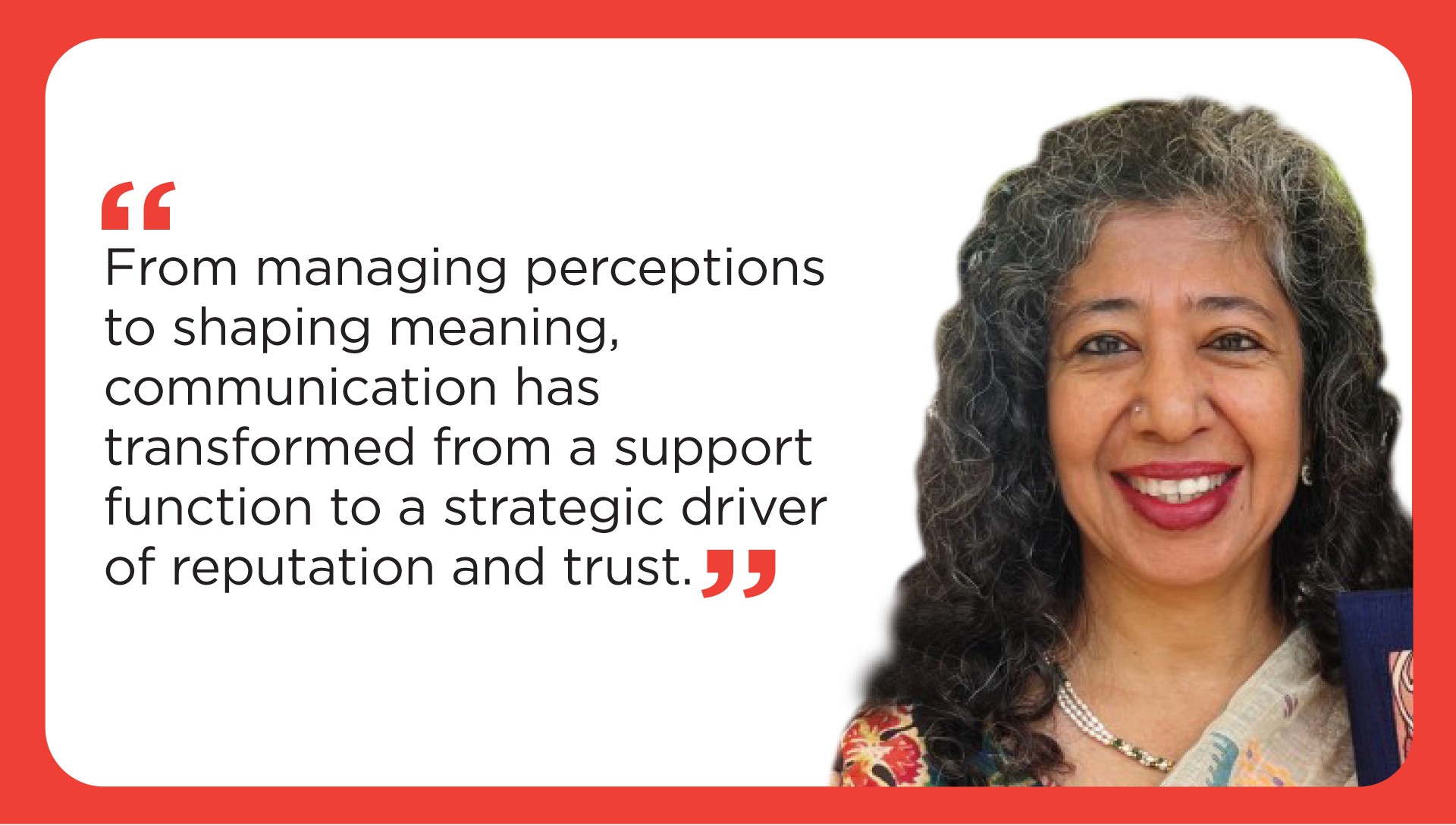
It’s been a journey of evolution and purpose. From managing perceptions to shaping meaning, communication has transformed from a support function to a strategic driver of reputation and trust. For me, these years have been about building credibility through clarity, consistency, and conviction. It’s about shaping how people connect with the organisation, both on the inside and on the outside.
In your view, what are some underexplored areas or untapped opportunities within the PR and communications ecosystem in India?
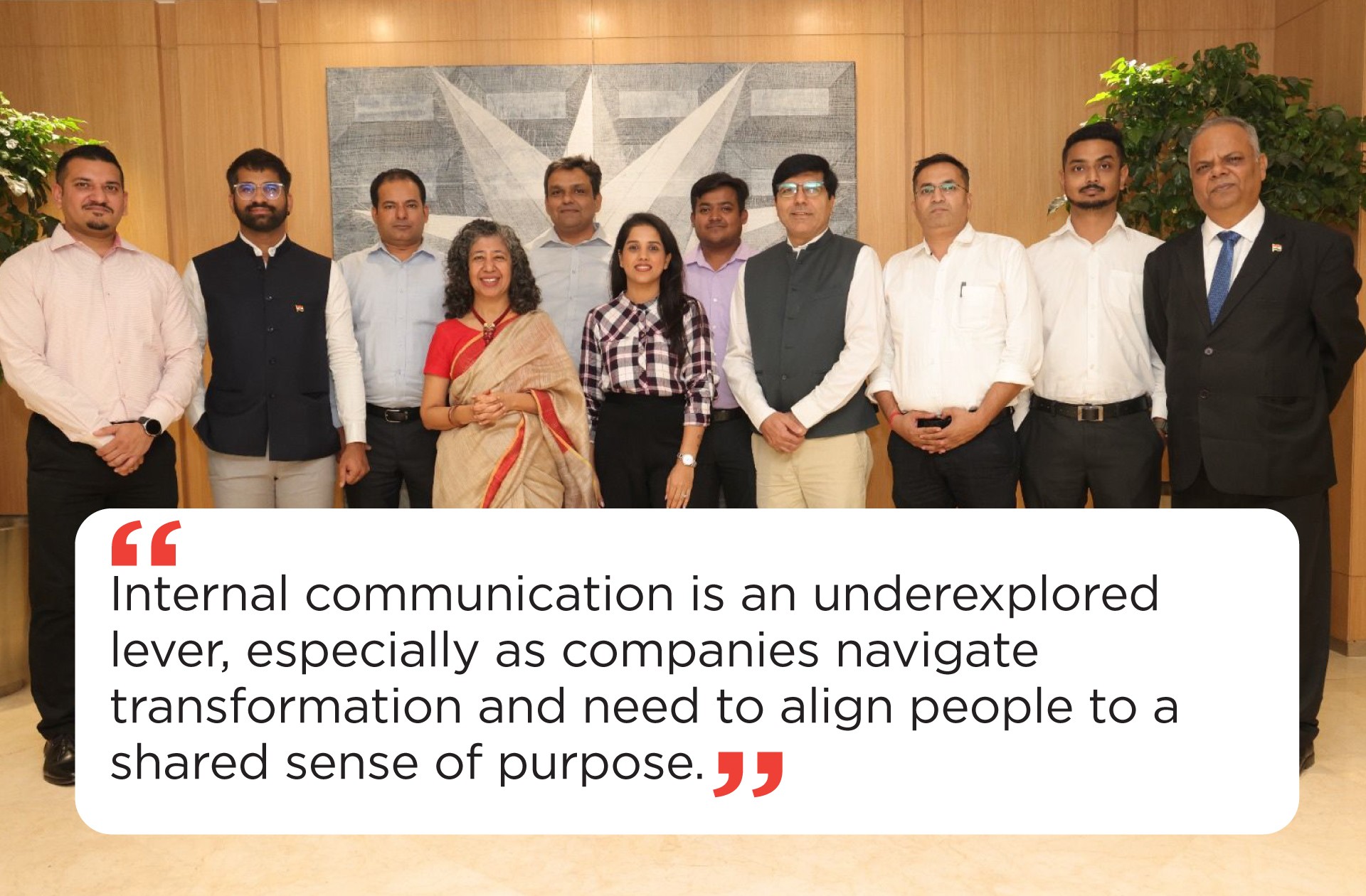
We still underestimate the power of thought leadership and owned media. Too much of the focus remains on visibility rather than voice. The real opportunity lies in shaping narratives with insight-led storytelling, authentic advocacy, and data-backed reputation work. Internal communication is another underexplored lever, especially as companies navigate transformation and need to align people to a shared sense of purpose.
Over the years, how have you seen the role of corporate communications leaders change in shaping organisational purpose and values?
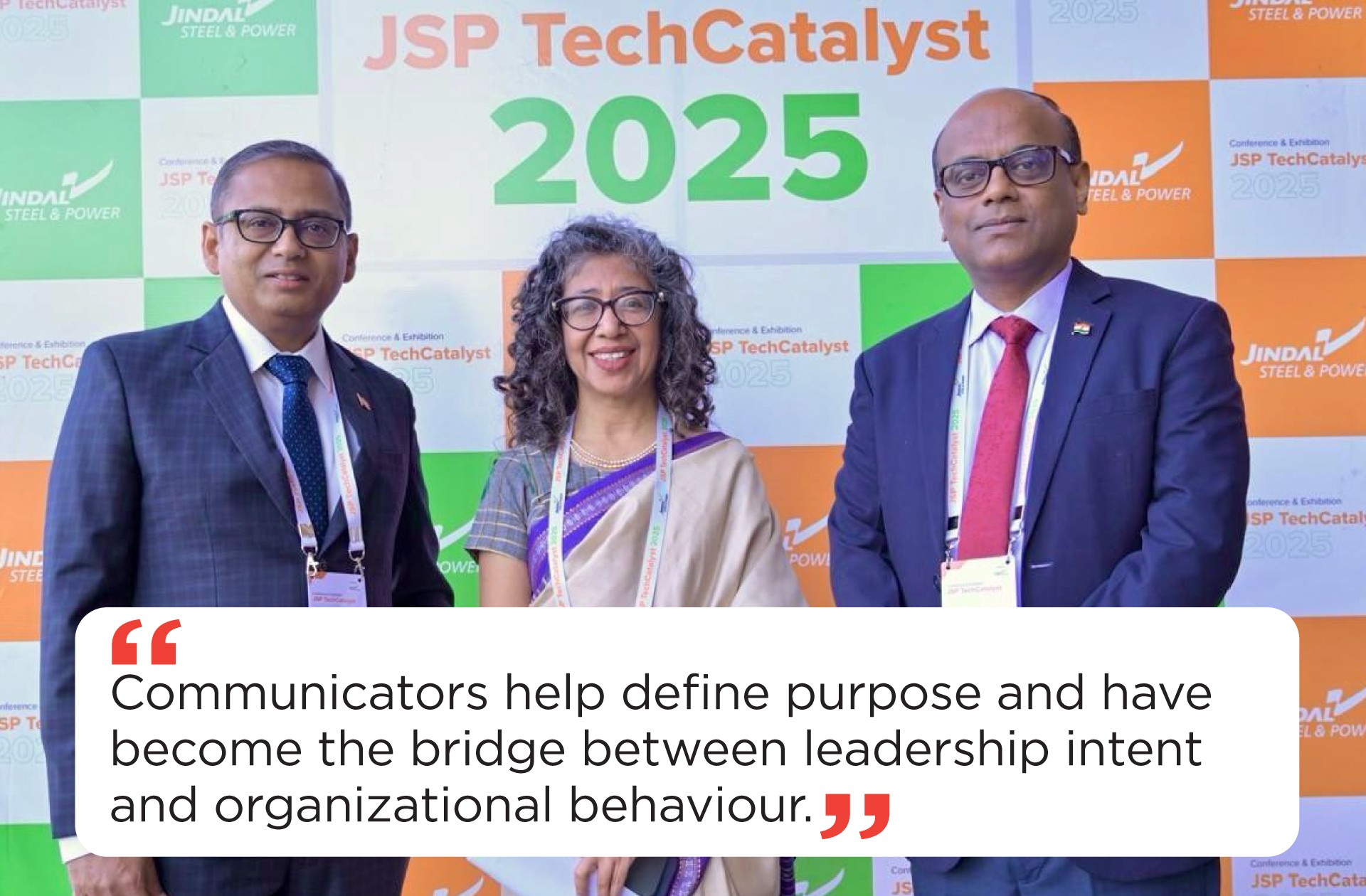
The role has grown from managing messages to shaping meaning. Today, communicators help define purpose, not just express it. We translate strategy into shared belief, ensuring that what a company says and what it does are in sync. Communication has become the bridge between leadership intent and organisational behaviour.
What are some of the biggest perception shifts you’ve worked towards achieving for Jindal Steel, both within India and globally?
The focus has been to evolve perception from an industrial legacy to a modern leadership narrative built on innovation, sustainability, and national pride. We’ve worked to make steel human, telling the story of the people who make it, the ideas that drive it, and the purpose that defines it. Globally, it’s about positioning Jindal Steel as a confident Indian multinational with credibility and conscience.
As a woman leader yourself, what changes have you witnessed in the industry’s mindset toward women in core operational and leadership positions? How is Jindal Steel building a more inclusive culture?
The change is real. Women are no longer seen as exceptions; they’re central to progress. Inclusion, to me, is a mindset. We’re moving from compliance to conviction, from top-driven mandates to collective ownership. From asking if women can do it, to recognising they already are.
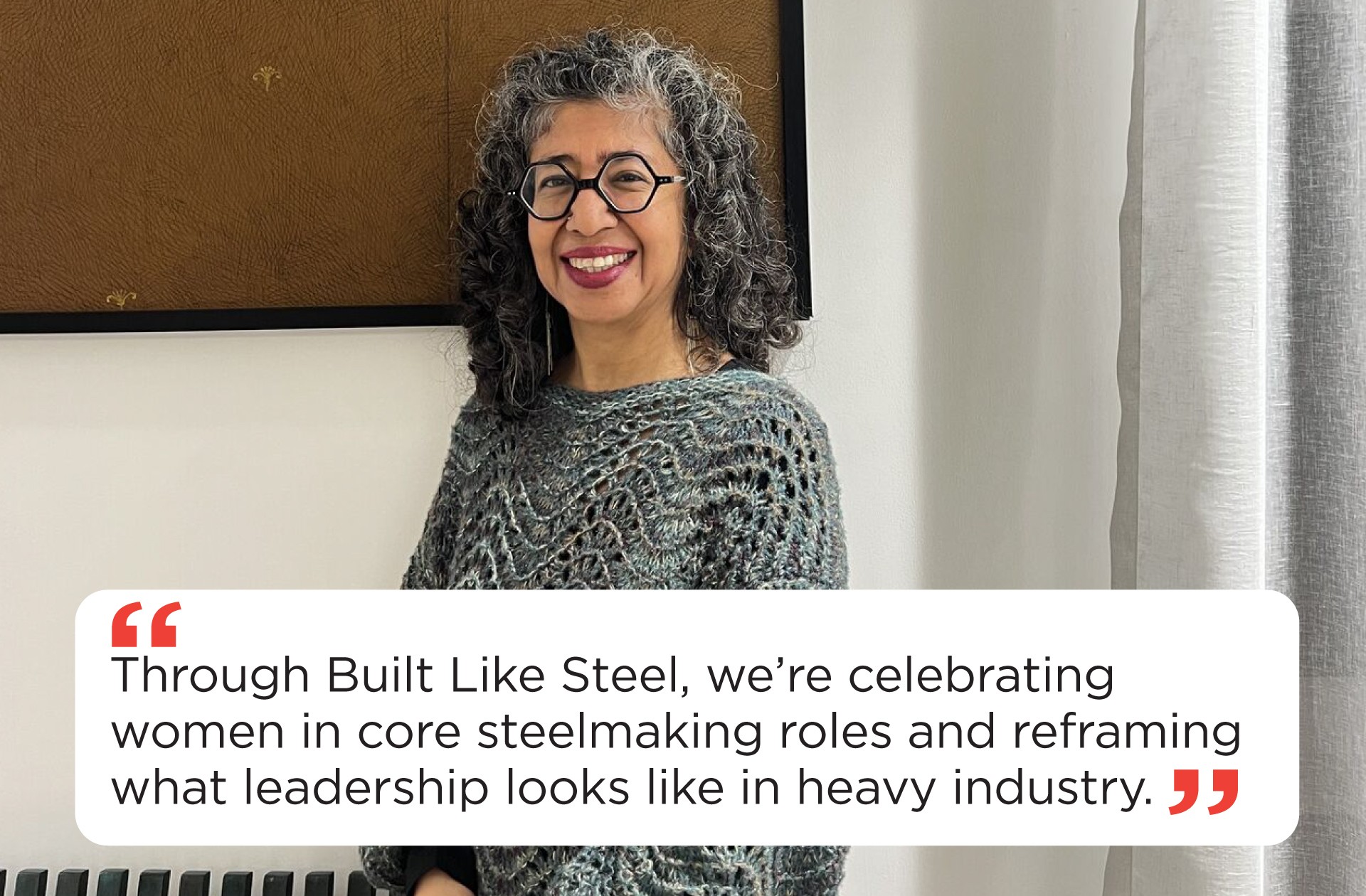
At Jindal Steel, inclusion isn’t symbolic, it’s structural. Through Built Like Steel, we’re celebrating women in core steelmaking roles and reframing what leadership looks like in heavy industry. The intent is to build a culture that values skill and strength over symbolism.
India is increasingly being recognised as a global communications hub. What opportunities or challenges does this present for agencies and leaders in the country? What global best practices must Indian organisations adopt?
India’s diversity gives us depth, and our scale gives us reach. The challenge is maintaining consistency and craft across that scale. We need to move from campaign thinking to reputation thinking, where purpose, policy, and performance come together as one narrative. Globally, the best practices worth adopting are measurement rigour, narrative design, and ethical transparency in storytelling.
How important is mentorship for young communications professionals, and how can senior leaders create more inclusive growth pathways?
Mentorship is the bridge between potential and performance. Young professionals need guidance not only on skills but on judgement and resilience. Senior leaders must be accessible, generous with feedback, and open about both successes and failures. Growth becomes inclusive when learning flows in all directions.
If you had the power to change one fundamental rule that governs the communications sector, what would it be and why?
I’d make authenticity non-negotiable. Too often communication chases perception instead of purpose. If every message was rooted in truth and responsibility, trust would follow naturally. That’s the shift our industry needs most.
What would you say are three key differences between being a good communicator and a strategic communicator?
- A good communicator focuses on what needs to be said.
- A strategic communicator understands why it needs to be said, and what change it should create.
- A good communicator represents the brand.
A strategic communicator helps the brand find its own authentic voice.
Read more news about PR and Corporate Communication News, Internet Advertising, Marketing News, Digital Media News, People Movement News
For more updates, be socially connected with us onInstagram, LinkedIn, Twitter, Facebook YouTube & Google News