We’ve doubled down on regional, short-format storytelling: Sandeep Sarma, Xiaomi India
Sandeep Sarma, Associate Director, Marketing & PR. Xiaomi India, shares how brands Xiaomi, Redmi, and POCO complement each other
 by
by
Published: Nov 8, 2025 10:00 AM | 6 min read
 Follow Us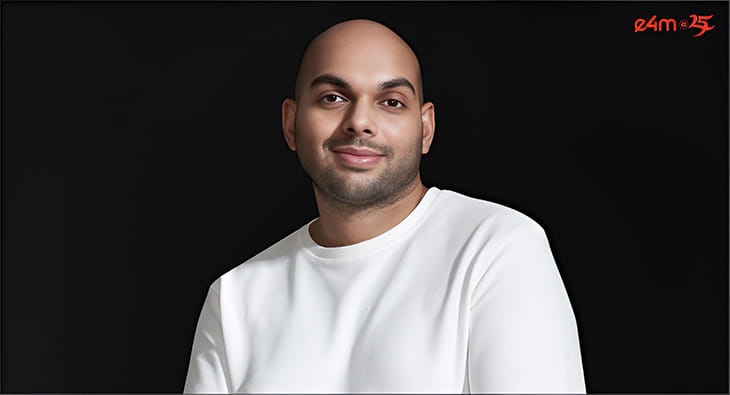

In 2022, Samsung took the pole position from Xiaomi in the uber competitive Indian smartphone race. Since then, media reports state that Xiaomi market share in the smartphone segment slipped to around 13% from 19% a year earlier according to Counterpoint Research by early 2025, primarily due to competition, mute demand and inventory issues.
In its bid to chart a new path and drive growth, the company has adopted a multi-pronged strategy, in the evolving digital ecosystem, to localize its offering, focus on premiumization, innovation, and expanding its footprint, with over 20,000 retail touchpoints now in India, and deeper expansion into Tier II, Tier III and Tier IV markets.
From smartphones, tablets and smart TVs, the company has expanded its local offerings to tablets, wearables, robot vacuum cleaner and even smart air purifiers backed by AIoT (artificial intelligence of things). Looking at its premium launches in 2025 such as Xiaomi Pad 7, Xiaomi 15 series and the anticipated Xiaomi 17 series in Q12026, the company proposition is delivering purposeful innovation and elevated experience such as premium, experience-led stores. The other focus has been a seamless omni-channel experience be it quick-commerce, online or offline.
In an e-mail interaction with exchange4media, Sandeep Sarma, Associate Director, Marketing & PR, Xiaomi India says that that the Redmi series continues to bring dependable, durable innovation for the masses, while Xiaomi is now firmly positioned as our premium offering and POCO will continue to deliver performance-focused technology for users seeking powerful and dynamic experiences. He also notes of a clear trend toward value-plus thinking with consumers paying a lot more attention to durability, after-sales reliability, and sustainability. He also highlights the growing importance of influencer collaborations, offline experiential activations, regional content and short-format storytelling to connect with audiences where they are.
Edited excerpts:
Premiumization has been a key narrative for the brand. How has this trend played out for Xiaomi and influenced your product portfolio and overall brand positioning in the Indian market?
Over the last couple of years, the Xiaomi Group has been on a steady journey of evolution. Xiaomi has always stood for innovation for all, but today, we’re also focusing on making innovation that is aspirational. Indian consumers are now seeking products that combine technology with design and quality, and that shift has naturally guided how we build our portfolio.
With our Redmi series, we continue to bring dependable, durable innovation for the masses, while Xiaomi is now firmly positioned as our premium offering, bringing together flagship camera, design, performance, and ecosystem experiences. Products like the Xiaomi 15 Series, Xiaomi QLED TVs, Xiaomi Pad 7, Redmi Note 14 Pro Series, and Redmi Watch Move have played a big role in redefining how consumers perceive us.
What purchase sentiments are you observing among Indian consumers this year? Are they leaning more toward value, innovation, or aspirational upgrades?
We’re seeing a clear trend toward value-plus thinking. Consumers want more than just affordability and are looking for meaningful upgrades and better experiences that justify their investment. The ₹20,000 to ₹30,000 segment, for instance, is growing rapidly as users upgrade from older 4G devices to newer 5G and AI-powered smartphones.
At the same time, people are paying a lot more attention to durability, after-sales reliability, and sustainability. So, it’s not just about the latest features, but about long-term value and trust, which are areas we’ve always prioritized.
What has been the change in media mix? Have you observed any significant shifts, for example, between digital, influencer, and offline activations?
The way audiences consume content has changed dramatically, and our media mix has evolved with that. Digital continues to be our core, but influencer collaborations and offline experiential activations have become much more central. We’ve also doubled down on regional content and short-format storytelling to connect with audiences where they are. Collaborations with creators who blend lifestyle and tech storytelling have also helped us make our communication more authentic and relatable.
Looking at 2025, what has been Xiaomi India’s growth story? What has been the percentage increase?
2025 has been a strong year for us, one of growth, learning, and recalibration. We’ve seen double-digit growth across several segments, driven by the success of our premium smartphone lineup and the expanding ecosystem of products such as smart TVs, tablets, and wearables. From strong performance in premium QLED TVs, tablets like the Xiaomi Pad 7, and locally manufactured Redmi Watch Move, to significant strides in retail experience and omni-channel expansion across Xiaomi, Redmi, and POCO, this year has truly been one of progress and evolution.
What’s most encouraging is that this growth and learning have come with stronger profitability and a clear strengthening of our brand equity in India.
How are you seeing your ecosystem products, from smart TVs to IoT devices, contributing to brand growth and loyalty?
Our ecosystem is one of our biggest strengths. Whether it’s smart TVs, tablets, wearables, or home IoT devices, these products play a huge role in deepening engagement and loyalty. Once a user enters the Xiaomi ecosystem, they tend to stay with us because the experience across devices is so seamless with the use of Xiaomi HyperOS across product categories.
Can you share how Xiaomi is leveraging insights and consumer data to anticipate emerging trends or product opportunities?
Listening to our consumers has always been at the heart of what we do. Through social media, our community platforms, and retail touchpoints, we’re constantly gathering feedback and studying usage patterns. These insights directly shape our product roadmap.
For example, the push for larger batteries, improved camera systems, and better displays in the Redmi Note series came from what our users told us they value most. It’s an ongoing, two-way conversation that helps us stay ahead of evolving needs.
How do you envision the next phase of premiumization and other segments evolving for the brand?
The next phase for us will focus on making technology more personal and purposeful. Xiaomi will continue to lead in the premium segment through innovation, design excellence, and seamless ecosystem connectivity. Our Redmi series will bring high-quality technology to a broader audience, ensuring exceptional value and reliability. While POCO will continue to deliver performance-focused technology for users seeking powerful and dynamic experiences. Together, Xiaomi, Redmi, and POCO will complement each other to make advanced technology accessible to every Indian consumer and enhance everyday life across all price points.
Read more news about Marketing News, Advertising News, PR and Corporate Communication News, Digital News, People Movement News
For more updates, be socially connected with us onInstagram, LinkedIn, Twitter, Facebook, YouTube & Google News