New India: The world’s most compelling marketing story
Marketing leader Anindya Khare writes that brand India has evolved into a global marketing and innovation powerhouse, driven by homegrown brands, media and digital innovation
Published: Aug 15, 2026 12:26 PM | 3 min read
 Follow Us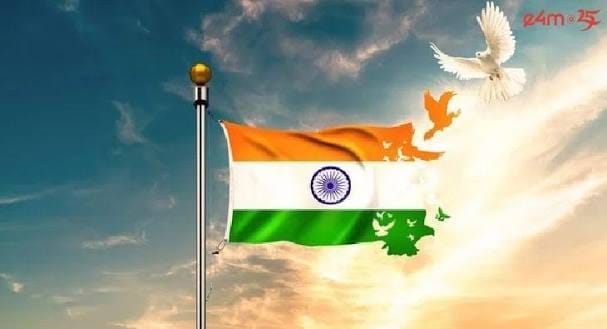

- India is shifting from being perceived as a hub for outsourcing to being recognized as a marketing and innovation powerhouse, with "Brand India" now associated with impactful narratives rather than just execution.
- Companies like Reliance Jio and Tata are transforming the global perception of Indian brands, showcasing their ability to create significant market changes and earning international respect.
- Indian brands are successfully blending world-class appeal with local cultural relevance, as exemplified by innovations like UPI and the success of hyper-local brands such as Zomato and Swiggy.
- The Indian media landscape, particularly through regional-language content and cricket, has played a crucial role in this transformation, positioning India as a model for global marketers to study engagement in diverse markets.
Seventy-nine years ago, we won political independence. This year, we’re winning something else — mindshare. Walk into a Cannes Lions jury room or a Silicon Valley boardroom and “Brand India” doesn’t mean outsourcing and back-office IT anymore. It means something closer to a marketing and innovation powerhouse. Indian industry built that, and it didn’t happen by accident.
We stopped just making things and started building things people talk about
For years the world saw India as a place that executes — a factory floor, a call center, someone else’s back office. That’s gone. Indian companies aren’t just shipping products now, they’re shipping narratives. Reliance Jio didn’t just sell cheap data. It changed how a billion-plus people came online, and business schools abroad now teach it as a case study. Tata’s overseas acquisitions carry something with them too — a kind of quiet, long-term trust that markets which once dismissed “Made in India” are starting to take seriously.
Global polish, local roots — and no, you don’t have to pick one
Here’s what’s actually different about how Indian brands market themselves: they refuse to choose between looking world-class and staying culturally specific. UPI is the clearest example. It didn’t just change how people pay for chai. It became something other countries study — Singapore, France, plenty of others are looking at India’s digital public infrastructure as a template. And then you’ve got Zomato, Swiggy, Amul — brands that talk like they’re from your neighborhood and still manage to win awards on international stages. Turns out hyper-local can scale just fine.
Media did a lot of the heavy lifting here, quietly
Nobody really credits Indian media and entertainment for this shift, but it’s been doing a lot of the work. Regional-language content, cricket as basically a national marketing platform, the sheer size and diversity of the audience — all of it turned India into a testing ground that global marketers now watch instead of lecture. If you want to understand attention and engagement at scale in a genuinely diverse market, you look at Indian media first. There’s really nowhere else that compares.
So what does this Independence Day actually mean for us
1947 was about governing ourselves. This version of independence is different — it’s about believing our own brands can set the agenda instead of following someone else’s. For those of us running marketing and business functions, that’s the job now. Keep pushing that story forward. We’re not catching up to global marketing standards anymore. In a lot of categories, we’re the ones writing them.
Read more news about Marketing News, Advertising News, PR and Corporate Communication News, Digital News, People Movement News
For more updates, be socially connected with us onInstagram, LinkedIn, Twitter, Facebook, YouTube & Google News
