How influencers are cashing in on cringe content
Creators say that treading carefully with cringe, but relatable content, has attracted deals with big brands while increasing the follower count
 by
by
Published: Oct 17, 2024 9:28 AM | 4 min read
 Follow Us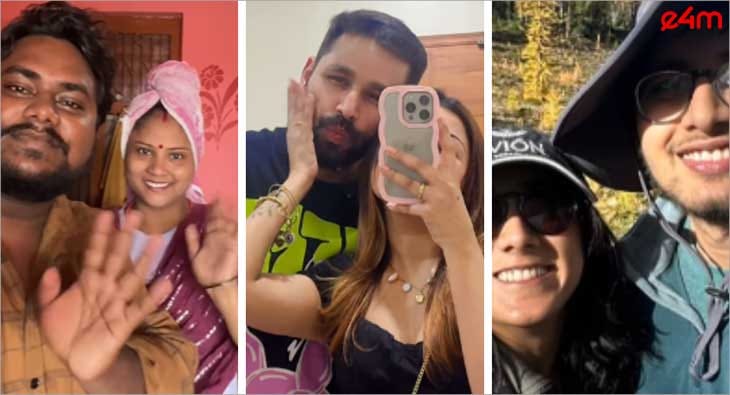

You may have come across the viral phrase: "Sapna dekhna achi baat hai..." while scrolling through Instagram. This catchy trend was started by Benjamin Joby, whose quirky motivational videos have not only led to internet chatter but also landed him a collaboration with Wakefit Mattress.
Similarly, Raja Babu from Bihar, who boasts 4.1 million followers, turned his wedding into a viral sensation by lip-syncing to "Do Anjaane Ajnabi". His relatable wedding videos earned him brand deals for honeymoon trips, further growing his following.
What was once laughed at as "cringe content" is now a treasure for influencers. Awkward lip-syncs and over-the-top acting are in demand. Brands are taking notice, as this relatable touch makes awkwardness seem charming. In fact, this content often beats polished videos in appeal.
Raja's simple, genuine style struck a chord with audiences, who loved the humor in its simplicity. His success mirrors a trend in couple-focused cringe content, which includes funny or excessive moments from weddings, trips, and daily life.
What makes this content work? It's all about being relatable. Audiences connect with authentic awkwardness, which is termed "relatable cringe"—genuine, funny, and not too uncomfortable. It draws people in with its imperfections. On the other hand, "deteriorating cringe" feels forced and uncomfortable, pushing people away and harming an influencer's image.
Not all cringe content is equal. There's a thin line between "relatable" and "deteriorating" cringe. Relatable cringe reflects everyday imperfections—awkward dances, couple arguments, or failed DIYs—while deteriorating cringe feels too forced or uncomfortable. Successful influencers stay on the right side of this line, keeping their content authentic.
View this post on Instagram
Adarsh Suyal, with 1.7 million followers, is a relatable video creator who explores unique and humorous content without falling into the cringe category. His rise to fame began with relatable sketches about family life and gender roles. One of his most popular reels, “Girls in the Mountains,” where he cross-dresses and humorously captures the lengths girls go to shoot the perfect reel, received immense praise.
This bold, relatable strategy caught the attention of brands, even those targeting women. Cosmetic companies, like Mars, have offered him up to Rs 4 lakh for a single reel.
"I get love because my content connects with many; that's my goal," Adarsh shares. "I focus on the majority who appreciate it. This support attracts brands."
Despite the humour, Adarsh is strategic in partnerships. Brands see the appeal in his unique content, often asking him to play female characters.
Influencers who turned Cringe into Cash
Couple travel bloggers Prerna and Nathan, known as "theadventuretwosome," have thrived by mixing cringe with authenticity. Starting in Canada, they aimed to showcase their travels, but soon, their relatable couple content took off. Brands like Vessi and Tentree now offer 80 to 2,500 Canadian dollars for collaborations.
View this post on Instagram
Prerna believes their success lies in their authenticity and humour: "We never aimed to make money. But seeing the response, we shifted to entertaining. Now, we blend travel with earnings. It's been rewarding," she says. Nathan adds, "Our focus is outdoor travel. But our chemistry makes us relatable. That's the key to success."
Their simple, spontaneous content has found a following. Funny, relatable reels are the most engaging. Their follower count fluctuates, but engagement remains high.
Delphin Varghese, Co-founder & Chief Revenue Officer, AdCounty Media, explains why cringe content thrives: "It's all about grabbing attention. Influencers use stereotypes and exaggeration to shock or amuse. Whether loved or hated, it sparks engagement."
Brands targeting younger audiences are keen on partnering with cringe creators, particularly in sectors like fast fashion and tech. "For Gen Z, cringe content feels real. It's unpolished and relatable," Varghese adds.
Yet, cringe content comes with risks. If it feels forced, it can alienate audiences. Successful creators stick to authenticity, ensuring their content remains relatable.
Anshika Gupta turned the couple's content into a career. Starting with wedding reels, she gained traction at a fast pace. A spontaneous video with her husband went viral, leading to a surge in followers and brand deals.
"My couple videos boosted engagement. But brand collaborations were the real win," Anshika explains. Now, she partners with brands like Dunkin' and Beyoung, focusing on couple products and leveraging her romantic content.
View this post on Instagram
The rise of cringe content and relatable humour marks a shift in marketing. When done right, this content draws in audiences. For brands, the key is aligning this content with their values.
Some influencers adopt cringe content to stand out. For brands, this offers a chance to create unique ads. "Cringe content is powerful but risky," says Hariom Seth. He points to Flipkart's recent ad as an example of backlash, where the ad faced criticism for being too harsh.
When handled with care, cringe content can be a hit.
Read more news about Marketing News, Advertising News, PR and Corporate Communication News, Digital News, People Movement News
For more updates, be socially connected with us onInstagram, LinkedIn, Twitter, Facebook, YouTube & Google News
