Beyond the basket: How AI, e-commerce & evolving behaviour are shaping FMCG’s future
Guest Column: Manas Lahiri, Chief Growth Officer, Havas India, on how modern lifestyles and rising access to retail and e-commerce are fueling demand for convenience-led FMCG products
 by
by
Published: Jul 17, 2025 9:20 AM | 3 min read
 Follow Us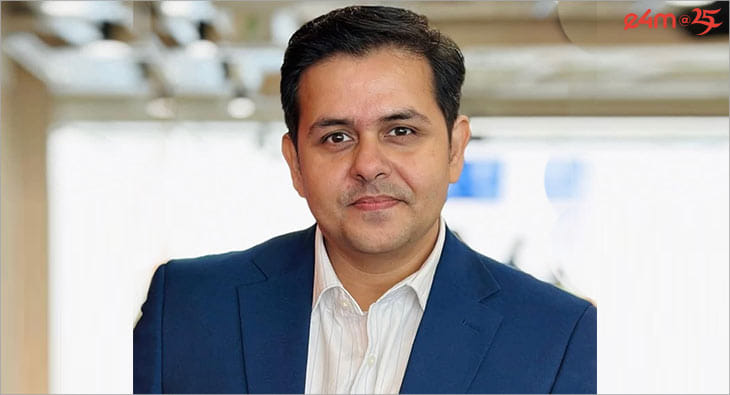

The Indian FMCG sector is experiencing robust growth, with projections indicating CAGR of 27.9% between 2024 and 2030, driven by rising incomes, a growing middle class, and increased adoption of e-commerce, particularly in Tier 2 and Tier 3 cities and rural areas. While urban markets show a preference for premium products, rural markets continue to be a significant growth driver, fuelled by government schemes and festive spending.
However, companies face challenges such as rising raw material costs and the need to adapt to evolving consumer preferences and distribution models.
Increased purchasing power, particularly in rural areas, is boosting demand for FMCG products. The shift towards modern lifestyles and increased access to modern retail formats like supermarkets and e-commerce is driving the demand for convenience-based FMCG products.
Expanding internet access, especially in rural areas, is facilitating online shopping for FMCG goods, further boosting the market. The packaged food segment is projected to double in size, in the coming years. Online FMCG sales are expected to grow significantly, potentially reaching 11% of total sales by 2030.
In this complex algorithm of changing demands and consumer behaviour what’s important for us to drive continuous growth :
Analyzing Consumer Behaviour: Increased disposable incomes and evolving lifestyles are leading to a greater demand for convenience and premium products. Changes in age, gender, and family structures influence purchasing decisions. Consumers are increasingly prioritizing health and wellness, leading to a greater demand for organic, natural, and low-sugar products.
How can understand this better: By Utilizing Data and Technology using Advanced Analytics. FMCG companies can leverage data analytics to track buying patterns, predict consumer needs, and personalize marketing efforts. : AI and machine learning can help in understanding consumer preferences, optimizing pricing strategies, and improving supply chain management. Real-time data and insights allow companies to respond to changing demands more effectively and personalize customer engagement. We need to stay Ahead of the Curve by regularly monitoring Market Trends, competitor activities, and consumer feedback which is crucial for staying ahead of the curve.
However, it’s also important that we are Adapting to Changing Trends by focusing on Product Innovation. Developing new products that cater to the changing needs and preferences of consumers, such as healthier options, sustainable products, and convenient formats. Tailoring marketing strategies to resonate with the specific needs and preferences of different consumer segments. Building strong brands that resonate with consumers and foster loyalty.
Lastly the E-commerce Boom in India has been unprecedented and a wholistic marketplace strategy with strong focus on quick commerce is need of the hour. The increasing adoption of e-commerce and digital marketing strategies is changing how consumers research, purchase, and interact with brands which leads for us to create seamless consumer journeys which goes beyond transactions and lends itself into a trustworthy recommendation partner.
Disclaimer: The views expressed here are solely those of the author and do not in any way represent the views of exchange4media.com.
Read more news about Marketing News, Advertising News, PR and Corporate Communication News, Digital News, People Movement News
For more updates, be socially connected with us onInstagram, LinkedIn, Twitter, Facebook, YouTube & Google News
