Reel or Real Stars? Why reality shows are backing influencers
From JioCinema to Amazon MX Player, platforms are choosing creators over TV actors for one reason — they bring the internet with them!
 by
by
Published: Aug 7, 2025 1:24 PM | 4 min read
 Follow Us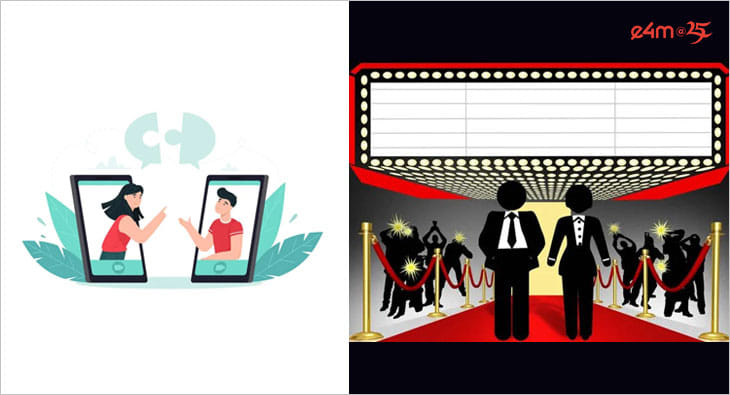

Gen Z creators aren’t just trending, they’re taking over timelines, brand decks, and casting calls. What used to be considered influencer content is now the foundation of mainstream entertainment.
Once upon a time, stardom came from TV shows that ran for years with signature theme songs and dramatic zoom-ins. Now, it comes from a 15-second reel, a GRWM for a brand collab, or a YouTube vlog that breaks the internet before lunchtime.
Fame has been redefined.
Today’s reality shows don’t want familiar faces. They want followed ones. It’s not about legacy anymore. It’s about loyalty. Fanbases that repost, remix, DM and make sure their favourite creator trends every single week.
From Bigg Boss OTT and Splitsvilla to creator-first shows on Amazon MX Player and JioCinema, casting influencers isn’t an experiment anymore. It’s the playbook.
And the results are unmissable.
When we see Ashish Chanchlani pose alongside Scarlett Johansson at a Jurassic World junket, or RJ Abhinav sit across from James Gunn during the Superman promo, it doesn’t feel like a fluke. It feels like a full-circle moment for the Indian creator economy. They’re not just attending these events for a few Instagram stories, they’re now central to how global and local content is marketed.
Creators aren’t just being cast, they’re being counted on.
It’s not surprising that casting teams are actively requesting influencer-first profiles. With every creator comes a ready-made audience, loyal fan engagement and real-time traction across platforms.
“In the last 18 months, we’ve seen a massive spike in casting briefs that explicitly ask for digital-first faces,” says Rahat Khan, Co-Founder of Fame Keeda. “OTT producers want creators who already have their own audiences, who can generate immediate traction across Instagram, YouTube Shorts, and X.”
It’s the same logic that makes influencer-led brand campaigns more agile and performance-led than legacy celebrity endorsements. Now, that same logic is being applied to casting.
“Digital traction is just a modern metric for popularity,” adds Annum Waris, Producer at Equinox Films. “With influencers, you’re getting a performer and a built-in distribution channel.”
Waris references Prajakta Koli’s debut in Mismatched as a pivotal case. The buzz began long before the show launched, amplified by her own fanbase through BTS content, reels and reaction posts. “Her audience practically became the promo team,” Waris says.
The Traitors Effect: Learning from the West
This shift doesn’t exist in isolation. Indian platforms are clearly borrowing playbooks from the West, especially shows like The Traitors US, which have cracked the perfect casting mix.
That show features reality veterans, niche influencers, and platform-first personalities, people who already trend, engage, and spark conversations. It’s casting not for acting ability, but for cultural capital.
We’re seeing similar moves in India now. From Bigg Boss OTT to Amazon MX Player originals, creators are being selected for their persona, reach and community pull. They’re meme-worthy, clippable, and shareable. They fit right into the content-fuelled attention economy.
“It’s like casting a mini-IP,” Khan says. “You’re not just hiring a face. You’re tapping into their voice, audience and niche value.”
The format is adapting, not the creator
While acting skill still matters for longer formats, most OTT producers are evolving the content around the creator, not the other way around.
Chat-based shows, unscripted formats, social-first games, and digital drama series are now being tailored for creators who are best when they’re just being themselves.
“Long-form storytelling still demands depth,” Waris notes. “But if you design formats that let creators lean into who they already are, the results are far more authentic, and audiences connect with that.”
What matters is not polish, but presence.
This isn’t a temporary phase, it’s a long-term power shift.
With creators commanding higher fees, generating better organic traction, and increasingly being signed as long-term brand collaborators post-OTT success, the signal is clear: this isn’t a phase. It’s a reshaping of the entertainment-marketing dynamic.
And it’s only going to get more strategic from here.
“We’ve reached a point where creators aren’t just shaping conversations, they are the conversation,” says Khan. “The future of reality content isn’t about choosing between actors and influencers. It’s about recognising that influence itself is the new form of performance.”
From being tagged in reels to driving the reel itself, creators today aren’t side characters in India’s content economy anymore. They’re rewriting the next act.
Read more news about Influence Zone, Marketing, PR and Corporate Communication, Internet Advertising, People Movement
For more updates, be socially connected with us onInstagram, LinkedIn, Twitter, Facebook, YouTube & Google News
