Parul Gulati’s ‘Maalkin Energy’ is the new blueprint for D2C entrepreneurs
Rather than push content through paid promotions or influencer tie-ups, Gulati gave micro-creators something they could organically use and integrate into their own storytelling
 by
by
Published: Jun 28, 2025 9:26 AM | 5 min read
 Follow Us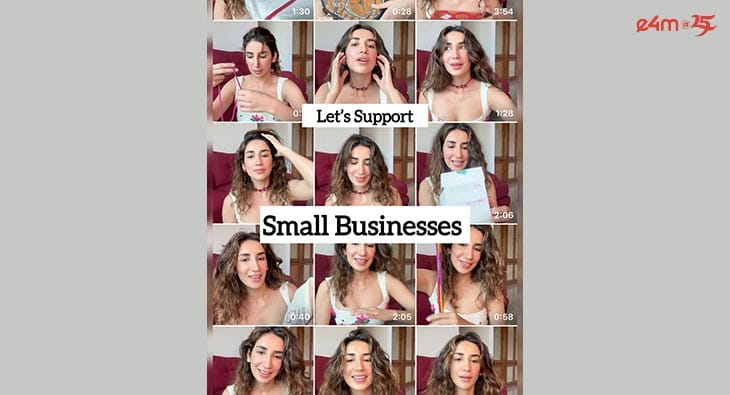

When Parul Gulati released her single Marzi Ki Malkin on World Music Day, she wasn’t merely launching a track. What she initiated was a community-led campaign. In just one week, over 3,400 reels were created using the audio — not by mainstream influencers, but by small business owners across categories such as handmade jewellery, pottery, toys, scrunchies, and DIY products. For them, the song became more than just a trending sound — it turned into a content tool to promote their work.
This wasn’t accidental virality. It was intentional seeding. Rather than push content through paid promotions or influencer tie-ups, Gulati gave micro-creators something they could organically use and integrate into their own storytelling. That sense of ownership — “this is my song too” — allowed small brands to attach their identity to a larger narrative of independence and entrepreneurship. What she was essentially doing was selling a story, not a song.
Parul’s larger digital strategy has always revolved around visibility — not just for herself, but for others who don’t often get seen. With 1.7 million followers on Instagram, and a consistent engagement rate of 1.74% (averaging 30,000 likes, 140 comments and over 288,000 reach per post), her content centres around beauty, but frequently extends to fashion, entertainment, and entrepreneurship. Despite being a beauty brand founder, she’s not talking down to her audience — she’s showing up as one of them. That relatability is key to her influence.
What makes her stand apart from most celebrity-led businesses is how she uses her page to feature small brands. Parul wears products made by independent creators, tags them, and brings them to the forefront without commercial partnerships. This builds trust, fosters community goodwill, and generates earned media — all without media buying. Essentially, she’s doing what brands term “long-tail influencer marketing,” but from the top of the creator pyramid.
View this post on Instagram
Gulati taps into community trust by platforming others — not just her brand
Founder Marketing Over Influencer Marketing
With Nish Hair, the D2C brand she founded, Gulati has taken a distinctly hands-on approach. Instead of outsourcing her marketing to agencies or scripted ad teams, she creates her own content, often shot with her in-house team, using real feedback and customer conversations. The storytelling is raw and personal — she shows actual hair problems in unfiltered lighting and introduces her products as part of real-life solutions. She’s not scripting campaigns; she’s demonstrating use-cases.
View this post on Instagram
This approach has allowed her to extend the Nish Hair line organically — moving beyond extensions into clips, scarves, bandanas, and recently, a men’s hair accessories range. Each new launch is introduced through narrative-led content, not high-gloss campaigns. This keeps the consumer’s focus on utility and emotion, not just aesthetics.
View this post on Instagram
Even at the Cannes Film Festival, where she wore a custom dress made from hair, she tied the look back to her brand. In a short red-carpet byte, she explained the outfit’s intent: “I’m the founder of this company called Nish Hair, so I’m wearing my own hair. It’s my story that I’ve weaved braid by braid into this.” That story-first mindset follows her across formats.
From pitching on Shark Tank for Nish Hair to launching hostel in Goa
Gulati’s expansion into other sectors follows the same content logic. Her entry into hospitality with Malkin Hostel in Goa was not introduced with a conventional PR campaign or media coverage. Instead, it was a single Instagram reel: “I’ve made my own hostel in Goa... I still can’t believe it’s coming to life.” That moment captured authenticity, excitement, and vulnerability — emotional triggers that prompted shares, saves, and conversations.
View this post on Instagram
This method of storytelling isn’t accidental. It’s consistent with how she pitched Nish Hair on Shark Tank India Season 2, where she secured a deal from Amit Jain. Following the show, her sales jumped 4X, and she expanded operations by opening her first international store in Dubai and partnering with BroadbayIndia to open locations in major Indian cities including Delhi, Bengaluru, Hyderabad, and Mumbai.
View this post on Instagram
Younger audiences may recognise her from acting roles in Punjabi films like Romeo Ranjha and Zorawar, or from popular web series like Girls Hostel, Haq Se, and Your Honor. She’s also appeared in ad campaigns for brands like Realme, Glow & Lovely, L'Oréal Paris, RedBus, and Maybelline. But increasingly, she’s being identified less as an actor and more as a founder with a content engine of her own.
The Malkin Energy Blueprint
Parul Gulati represents a new model in Indian entrepreneurship — one that blends content creation, product ownership, and community participation. She hasn’t relied on celebrity status to market her brand. Instead, she has turned her personal challenges into content pillars, used her platform to uplift others, and maintained direct communication with her audience. Every reel, every launch, and every expansion tells a part of her story.
In a time when many brands still rely on traditional agency structures and scripted campaigns, Gulati is proving that founder-first storytelling — built on real experiences and user needs — can deliver scale, trust, and loyalty. She’s not just selling products. She’s building “Maalkin energy” — a term that now encapsulates not just her brand, but a philosophy of ownership, independence, and everyday ambition.
Read more news about Influence Zone, Marketing, PR and Corporate Communication, Internet Advertising, People Movement
For more updates, be socially connected with us onInstagram, LinkedIn, Twitter, Facebook, YouTube & Google News