Influencers anxious, but are brands pulling back post India’s Got Latent?
Instead of cutting back on influencer marketing, brands are recalibrating and aligning with content creators who foster real conversations
 by
by
Published: Feb 26, 2025 9:17 AM | 6 min read
 Follow Us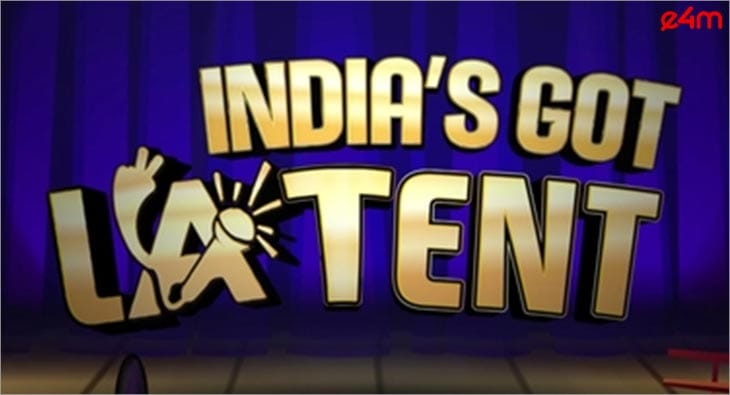

Despite the ongoing controversy surrounding comedian Samay Raina, influencer brand deals remain largely unaffected. Influencer Marketing (IM) agencies affirm that there has been no significant drop in deals, with major brands such as McDonald's, Tanishq, and Coca-Cola continuing to invest heavily in influencer marketing.
However, there is uncertainty among influencers, as some have taken to social media to voice concerns. Marketing agencies have advised creators to remain tight-lipped regarding brand partnerships to avoid unnecessary complications.
A digital marketing agency that previously collaborated with Samay Raina on the show India’s Got Latent (IGL) told exchange4media that the controversy has not led to a decline but rather a recalibration of influencer marketing strategies. “Brands aren’t pulling back; they’re becoming more selective, channelling budgets into creators who genuinely align with their identity. This maturation prioritises meaningful audience connections over mere visibility.”
Shifting brand strategies and influencer selection
Rahat Khan, Co-founder of Fame Keeda, revealed that “While detailed data on the controversy’s impact is still being compiled, some brands have temporarily paused deals to reassess their strategies. However, the overall demand for influencer marketing remains strong.”
According to her, nano and micro-influencers continue to attract significant brand interest. Recent industry data shows that nano-influencers in India maintain engagement rates as high as 8%, compared to approximately 1.5% for mega-influencers, reinforcing the trend of brands favouring creators who foster real conversations rather than those with just large-scale visibility.
Ayush Guha, Business Head at HYPP, a talent management and influencer marketing agency, also noted similar trends that while the controversy has had an impact, it is more in terms of increased lead times and stricter quality checks rather than a reduction in volume.
“Spending is generally slow in January and parts of February, so I wouldn’t attribute everything to the controversy. Brands that actively leverage influencer marketing tend to be strategic and cautious regardless,” he explained.
He also pointed out that specific categories such as finance and wellness influencers are under stricter scrutiny due to regulatory guidelines. However, general entertainment and comedy continue to perform well, though genres like rants and roasts are currently being avoided by brands.
Seasonal Slowdown and Market Trends
The influencer marketing sector traditionally experiences a slowdown in the first quarter of the year, following the high-expenditure festive season spanning Diwali, Christmas, and New Year. Experts estimate a 30% decline in influencer-led campaigns in January, a drop that industry players attribute more to seasonal budget tightening than any singular controversy.
Earlier, Anirudh Sridharan, Founder of HashFame, told e4m that this year’s Q1 slowdown feels more pronounced. “The first quarter is always slower for influencer marketing, but this year, the impact is greater. Brands are tightening budgets, and influencers are reaching out to secure whatever deals they can. It’s a challenging scenario for both parties,” he said.
However, major brands still place confidence in influencer marketing for its ability to foster authentic engagement. The approach has evolved—vetting is now stricter, partnerships are more intentional, and engagement quality outweighs follower count. The industry isn’t retracting; it is adapting. Comedy creators face increased scrutiny regarding their humour style, yet brands are not avoiding the entire category but rather evaluating individual creators more carefully.
Comedy influencers face selective brand interest
Roasting and comedy influencers are not being outright boycotted, but brands are exercising greater selectivity, given the heightened sensitivity surrounding influencer conduct. Bold and humorous content remains in demand, but brands prefer creators who strike a balance between edgy humour and brand-friendly messaging.
The key determinants for whether a controversial influencer can still land brand deals include audience sentiment, engagement quality, and crisis management ability. History has shown that influencers can recover from PR setbacks—Poonam Pandey’s collaboration with Schbang being a case in point. If an influencer maintains a highly engaged and trusting audience, brands may still be willing to partner with them.
View this post on Instagram
Comedy influencers find themselves navigating unique challenges, but brands remain open to partnerships with those who demonstrate responsible content creation.
For instance, Purav Jha, a comedy content creator with 5.8 million views, was recently approached for a promotional collaboration with the upcoming movie Crazy, set to release on February 28. His engagement levels remained consistent, indicating that the demand for humorous content persists, provided it aligns with brand values.
View this post on Instagram
AI and Data-Driven Decision Making in Influencer Marketing
According to Rahat Khan, the Samay Raina controversy has changed how brands evaluate potential influencer collaborators. AI-powered tools now enable brands to analyse influencer credibility, audience sentiment, and engagement quality more effectively than ever before.
“Both McDonald's and Tanishq leverage sophisticated audience analysis tools to ensure their influencer partnerships align with brand values. We’re also seeing a growing emphasis on hyper-personalisation, similar to how SUGAR Cosmetics collaborates with beauty influencers across different demographics to create tailored campaigns,” she added.
Brands’ confidence in influencer marketing is now backed by data-driven decision-making rather than mere optimism. “Brands are more thoughtful about who they work with, considering factors like past content, audience sentiment, and long-term brand fit. While finance and comedy influencers face more scrutiny, they are not being avoided altogether. Instead, brands are taking a more nuanced approach, leveraging AI tools to identify influencers whose engagement patterns and audience demographics align with their target markets,” Rahat explained.
Contracts and Performance-Based Collaborations
According to experts, many brands now include content responsibility clauses to uphold ethical and brand safety standards. Some agreements even outline repercussions for influencers involved in public controversies and establish crisis management protocols.
Beyond compliance, there is a growing trend toward performance-based collaborations. Many brands now tie influencer compensation to engagement and impact, ensuring measurable value from their partnerships. This approach enhances accountability while still allowing creators to maintain authenticity.
“Ultimately, the IGL controversy also helps clarify the distinction between content creators and influencers. Personalities like Tanmay Bhat, Samay Raina, and Bhuvan Bam are first and foremost content creators and artists, rather than traditional influencers. Despite their large fan followings, those numbers do not always translate into the impact brands seek in terms of sales, engagement, or perception,” Rahat points out.
Influencer marketing is not declining—it is evolving. The industry is moving toward a more sustainable model where thoughtful collaborations and audience alignment take precedence over sheer reach.
Read more news about Influence Zone, Marketing, PR and Corporate Communication, Internet Advertising, People Movement
For more updates, be socially connected with us onInstagram, LinkedIn, Twitter, Facebook, YouTube & Google News