The new shopping playbook: AI algorithms and influencers drive sales in the FMCD industry
Guest Column: Pragya Bijalwann, CMO & Head of Marketing at Voltas, writes about the new era in FMCD marketing where cutting-edge technology meets digital storytelling
 by
by
Published: Feb 26, 2025 9:01 AM | 6 min read
 Follow Us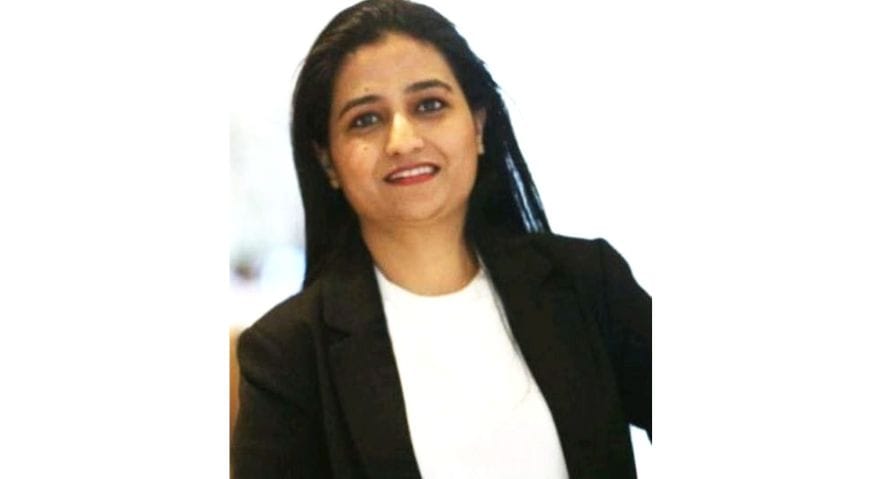

The way consumers shop for electronics and appliances is undergoing a radical transformation. Gone are the days when buyers relied solely on in-store experiences or traditional advertisements. Today, AI-driven recommendations and influencer content/marketing are shaping purchasing decisions like never before. A recent Shiprocket report reveals that a staggering 84% of consumers are influenced by AI-powered suggestions and influencer endorsements when making purchase decisions, particularly in the FMCD (Fast-Moving Consumer Durables) sector. Whether it’s a smart TV, an energy-efficient refrigerator, or the latest smartphone, AI algorithms personalise recommendations, while social media influencers add authenticity and trust to brand messaging.
This dynamic shift highlights a new era in FMCD marketing, where cutting-edge technology meets digital storytelling. Brands are harnessing AI-powered personalisation, collaborating with influencers, undertaking research initiatives and crafting targeted social media strategies to create seamless, engaging, and highly effective consumer journeys. As the competition landscape intensifies, brands that invest into innovative products and successfully integrate these tools will capture consumer attention and redefine brand loyalty and sales growth.
Commitment to innovation and R&D
FMCD companies are investing heavily in research and development (R&D) to stay ahead of market trends. The integration of AI and the Internet of Things (IoT) into products is revolutionising consumer experiences, offering smart and connected solutions. From AI-powered washing machines that optimise water usage to IoT-enabled refrigerators that track food inventory, these advancements cater to the evolving needs of tech-savvy consumers. Additionally, brands are also collaborating with international companies to bring new technologies to the Indian market. These partnerships enable the rollout of state-of-the-art products tailored specifically for Indian consumers, ensuring that brands stay ahead of industry trends.
AI-powered personalisation: The new age of retail
AI has revolutionised consumer engagement, transforming how brands in the FMCD industry connect with their audiences. By leveraging advanced algorithms, companies can analyse user data, browsing history, purchase behaviour, and preferences to deliver hyper-personalised recommendations. In fact, 76% of consumers consider personalisation a key factor in their purchasing decisions. This shift makes the shopping experience more intuitive and engaging, moving beyond generic messaging and one-size-fits-all approaches. In line with this, direct-to-consumer (D2C) brands leverage AI to enhance customer experience through:
- Predictive Analytics: AI predicts consumer behaviour, allowing brands to suggest relevant products, optimizing inventory management and improving conversion rates. By analysing past behaviours and preferences, AI can offer personalised recommendations that increase the likelihood of a purchase.
- Dynamic Pricing: AI algorithms adjust prices in real-time based on demand, competition, and consumer interest, ensuring maximum profitability and customer satisfaction. These algorithms also help identify pricing trends, enabling brands to stay competitive in fast-paced markets.
- Conversational AI: Chatbots and virtual assistants guide customers through the buying process, answering queries and offering tailored suggestions.For example, when shopping for a refrigerator or air conditioner, a chatbot can help customers choose the right model based on preferences like sise and energy efficiency. These bots provide 24/7 support, meeting the instant-gratification expectations of consumers.
- Visual Search & Image Recognition: Consumers can upload images to find similar products, improving product discovery and conversion rates. This technology enhances the shopping experience by allowing users to find exactly what they are looking for, even if they don’t have the product name or description.
The influence of AI-driven recommendations is particularly prominent in the FMCD space, where high-value purchases require extensive research. A seamless digital experience backed by AI-driven insights helps brands cater to individual preferences, ultimately boosting sales and customer retention. These recommendations also prove invaluable during peak festive seasons when consumers seek the best deals and offers, thereby enhancing customer engagement and streamlining shopping experiences.
The influencer effect & collaborations: Authenticity meets commerce
While AI provides analytical precision, influencers bring a human touch to marketing. According to the report ‘State of Influencer Marketing in India,’ influencer marketing is expected to be integrated into three out of every four brand strategies, thereby leveraging influencers’ credibility and reach to impact purchase behaviour.
Key reasons why influencer marketing works in the FMCD industry include:
- Trust and Relatability: Consumers trust influencer recommendations more than traditional ads, as they often perceive influencers as more genuine and relatable, which enhances brand loyalty.
- Demonstration & Reviews: Influencers showcase real-time usage, providing authentic product insights, and their reviews give potential buyers a sense of confidence and clarity about the product’s value.
- Engagement & Community Building: Influencers foster interactive conversations, addressing queries and offering purchasing advice, which helps build a loyal and engaged community around the brand.
- Trendspotting & Virality: Influencers are adept at aligning their content with social media trends, ensuring that their posts resonate with current viral moments. By tapping into popular hashtags, challenges, or events, they create content that feels timely and relevant, exponentially increasing brand visibility and consumer interest.
Brands are capitalising on this trend by forming strategic partnerships with influencers to promote their appliances and highlight product innovations. Many brands invite social media influencers to witness their intricate processes first hand, offering exclusive ‘behind-the-scenes’ access to sustainable and technologically advanced product manufacturing ways. These influencers serve as bridges between brands and target consumers, paving the way for a new era of customer centricity and trust.
Social media strategy: Targeting the right audience
The Influencer Marketing report further indicates that 50% of time spent on mobile phones is dedicated to social media platforms, emphasising the growing influence of these channels in shaping consumer behaviour. Among the most popular platforms, Instagram and YouTube stand out as top choices for content consumption from influencers. Therefore, by leveraging these platforms, brands can tap into niche markets and effectively promote new product launches through influencer collaborations. These platforms provide an ideal space for influencers to engage directly with followers, using interactive live sessions, influencer-led tutorials, and behind-the-scenes content to amplify brand messaging. By focusing on authentic interactions, brands are able to foster deeper connections with their audience, driving engagement and, ultimately, conversions.
AI + influencers: The road ahead
As AI technology evolves, brands will increasingly integrate machine learning and deep analytics to refine their marketing strategies. Meanwhile, influencer marketing will continue to evolve, with micro-influencers and AI-generated virtual influencers playing a larger role. Overall, the FMCD industry stands at the cusp of a digital revolution, where AI-driven personalisation and influencer credibility will continue to drive consumer engagement, loyalty, and sales. Therefore, in this dynamic landscape, those who strike the right balance will emerge as industry leaders, redefining the way consumers shop in this digital era.
Read more news about Digital Media, Internet Advertising, Marketing News, Television Media, Radio Media
For more updates, be socially connected with us onInstagram, LinkedIn, Twitter, Facebook, YouTube & Google News
