“The future belongs to communicators who evolve with AI, without losing authenticity”
In this conversation, we explore how Tehseen Zaidi, Comms Specialist, Syngenta Group- IT Digital found her purpose in comms, how she navigates high-stakes moments, and her vision for the future
 by
by
Published: Nov 26, 2025 12:55 PM | 9 min read
 Follow Us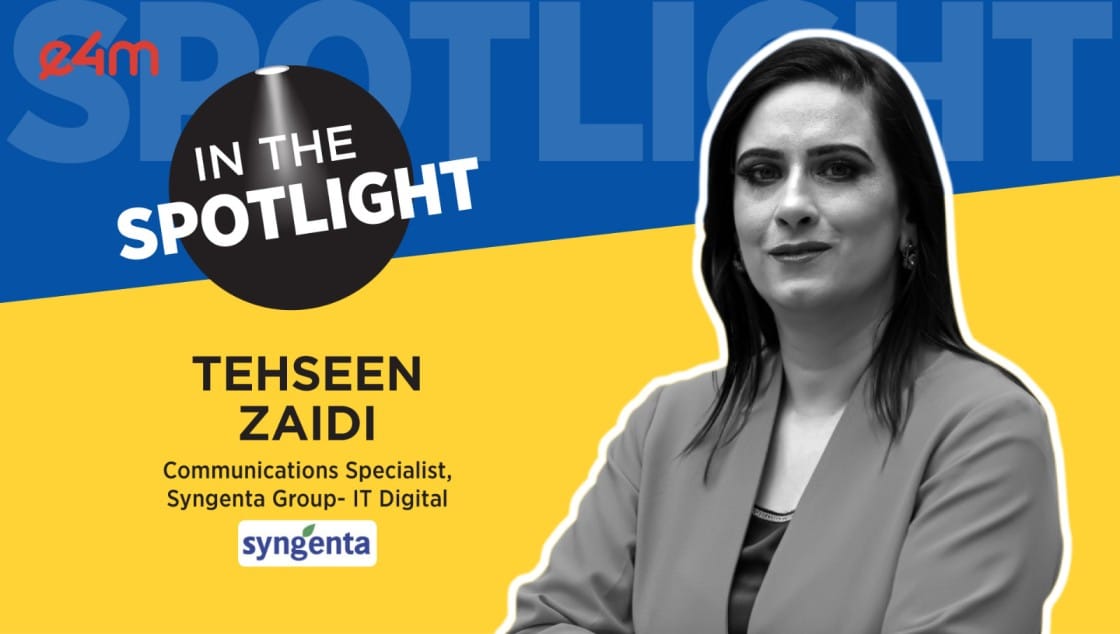

Some people find their profession, others grow into their purpose. Tehseen Zaidi, a seasoned communications leader, journalist, communications strategist, public affairs expert, DEI advocate. She stands among those few leaders who reshape the very fabric of how stories are told and lead with the lens of narratives as bridges, empathy as strategy, and impact as the ultimate measure of success.
In this conversation, we explore Tehseen Zaidi, Communications Specialist, Syngenta Group- IT Digital journey from how she realised the communications industry was her true path, the major transformations that have defined her two-decade journey, and the unexpected challenges she faced as a new-age communicator. We also discuss the campaigns that tested her the most, how trust is shaped in today’s fast-changing world, her process for navigating high-stakes moments, her prediction of how the role of strategic communicators will transform in the next five years.
Excerpts:
What made you realize the communications industry was your true calling?
I discovered that communications & Public Affairs was my calling very early in life. Even as a child, I was the one who watched advertisements, serials, and movies with unusual seriousness — not just for entertainment, but to understand why a story worked. I would decode the messaging, the concept, the characters, the emotion, and the strategy behind every scene. Looking back, that curiosity was my earliest training as a communicator.
When I reached Class 10, I explored that journalism and storytelling is the field I can excel in. During my Mass Communication degree, a professor told me I was a natural fit for PR and communications because I connected effortlessly with people and had a deep instinct for writing and had that ‘nose for news’. That was the moment everything aligned.
My father also played a pivotal role. He was the first to notice my love for writing and narratives, and he encouraged me, it was his guidance that eventually led me to specialize in PR and communications.
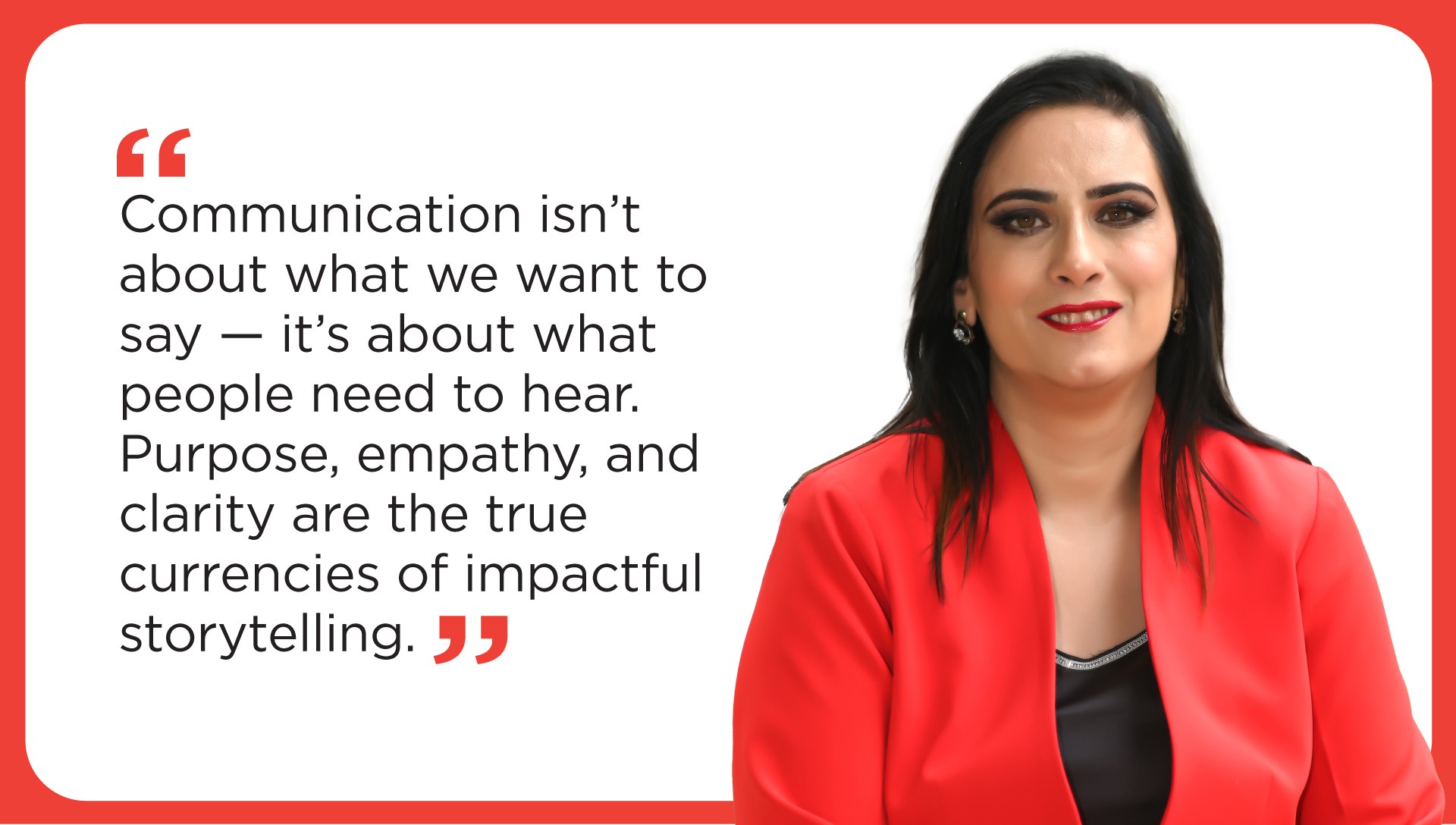
Today, communication isn’t just my profession — it’s the lens through which I understand the world. What drives me is the power of narrative to shape perception, build trust, influence culture, and create real impact. As a communicator and as a leader, I strive to craft stories and strategies that bring purpose, clarity, and authenticity to every message.
You’ve seen the communications landscape evolve across journalism, corporate, and advocacy sectors. What major transformations stand out to you? What personal or professional lessons from journalism continue to guide you today?
Over the past two decades, I’ve witnessed the communications landscape transform dramatically — and I’ve lived through multiple lenses: PR agencies, a leading national newsroom, the development sector, and now an MNC. Each chapter has shaped not just my craft, but my philosophy as a communicator.
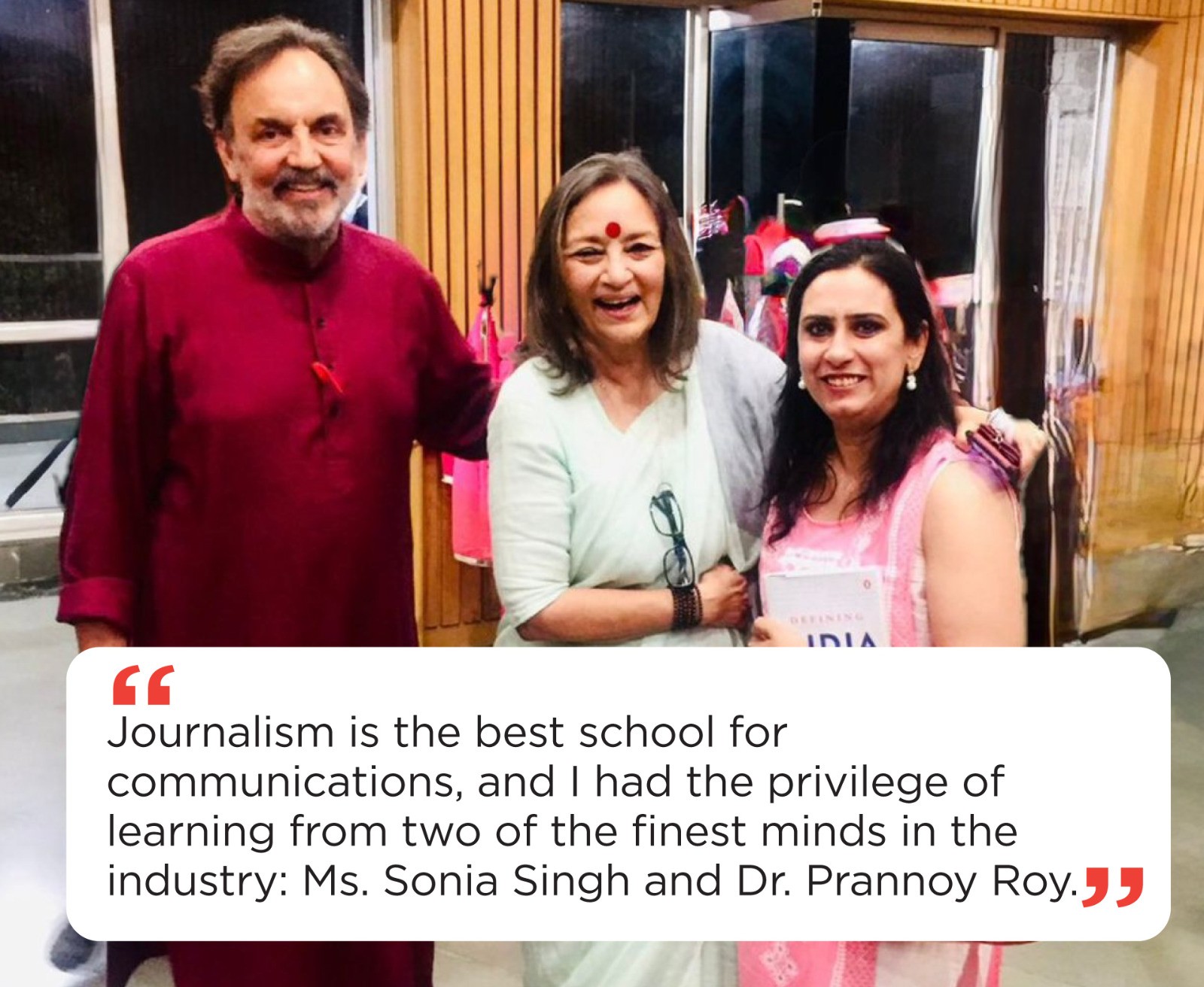
I began my journey in PR, where I learned the foundations of brand narrative, stakeholder management, and reputation building. My transition to NDTV opened an entirely new dimension. For more than a decade, I handled an expansive portfolio — from communications, research, and reporting to crisis communication, government affairs, the Union Budget, Davos, and multiple general elections. Journalism is the best school for communications, and I had the privilege of learning from two of the finest minds in the industry: Ms. Sonia Singh and Dr. Prannoy Roy.
From them, I learnt the fundamentals that still guide me:
- Authenticity over noise
- Honesty as non-negotiable
- Exceptional writing as the backbone of impactful communication
- Calm, composed crisis handling — even when the stakes are national and global
- The ability to sense a story, interpret it with credibility, and treat it with sensitivity
My journey in the development sector with a Japanese foundation deepened my understanding of purpose-driven communication. Leading award-winning campaigns, driving advocacy for families affected by leprosy, and supporting initiatives like the Gandhi Peace Prize taught me how communication can shift mindsets, influence policy, and bring dignity to underserved communities.
Today, in the corporate world, these lessons remain my compass. The tools and platforms may have changed — from long-form journalism to real-time digital ecosystems — but the essence of communication hasn’t. Authentic narratives, ethical storytelling, and strategic clarity continue to be the strongest drivers of trust.
What stands out to me is this: industries evolve, technologies transform, but core values endure. And it is these values — truth, empathy, credibility, and strategic storytelling — that continue to shape my voice as a communicator today.
You've led campaigns across agriculture, agri-tech, healthcare, aviation, telecom, pharma and FMCG. Which one of these diverse sectors presented the most challenging communications puzzle, and what key strategy did you implement to manage them?
Each sector brings its own communication puzzle, but agriculture and agri-tech have been the most complex and transformative for me. Unlike high-consumption sectors like FMCG or telecom, agriculture requires deep empathy, cultural intelligence, and the ability to simplify science, technology, and policy for growers — especially smallholders who depend on accurate information for their livelihood.
What makes agriculture uniquely challenging is that the communicator isn’t just addressing a consumer; you’re speaking to someone whose daily decisions directly impact food security, income, and dignity. You cannot get it wrong. And you cannot communicate from a distance, you have work and understand at ground level.
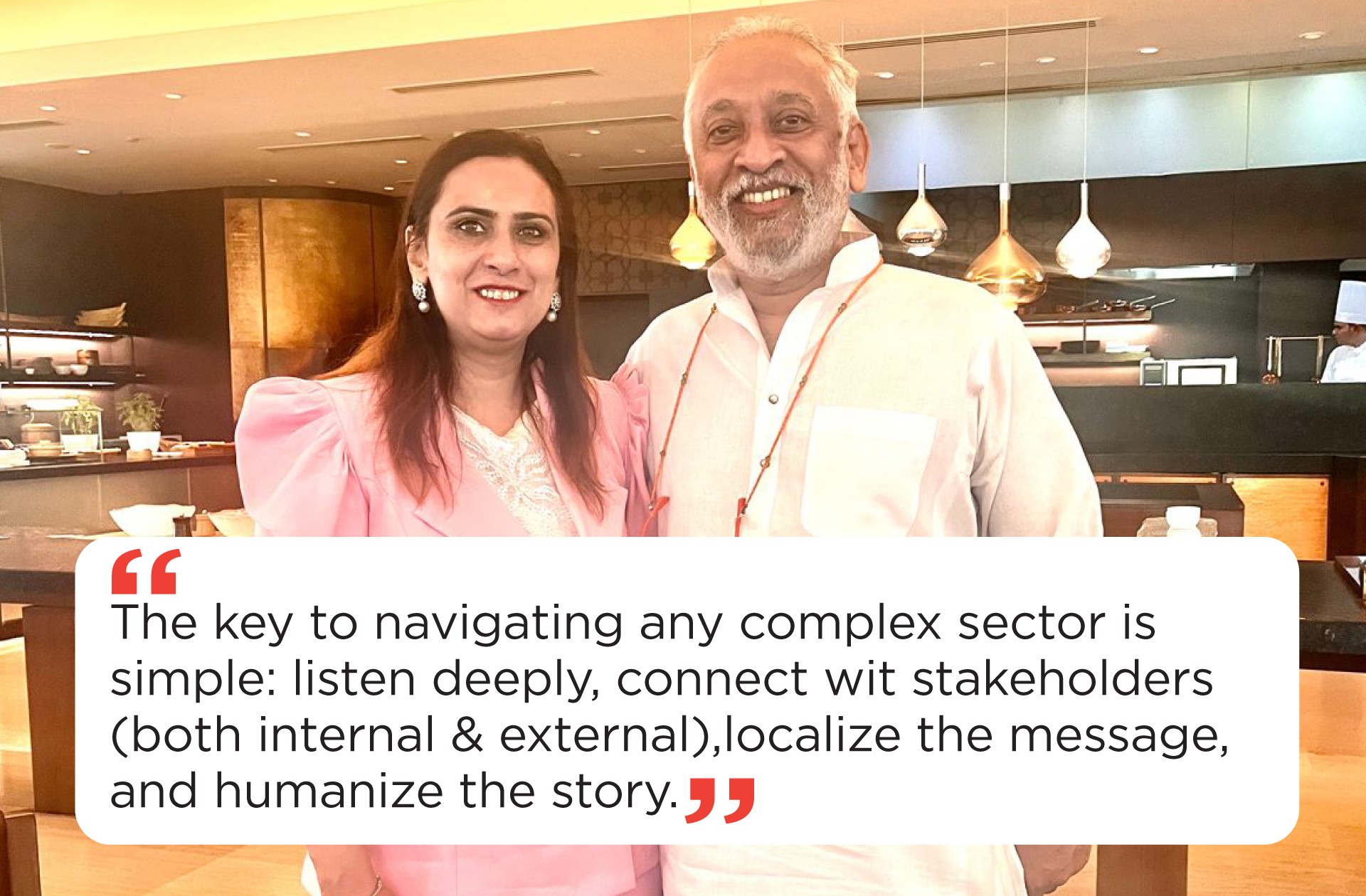
The strategy that helped me succeed was simple yet powerful: listen, localize, empathise and humanize.
I spent time understanding growers’ pain points, decoding their realities, and ensuring every message was rooted in their world — not ours. Whether it was introducing agri-tech innovations, connecting farmers to digital tools, or communicating complex science, the goal was always to translate value into something meaningful and actionable for them.
Working in agriculture, pharma and healthcare also strengthened my belief in purpose-led communication — aligning strategic narratives with real human needs. It taught me that impactful communication is not just about reaching audiences; it’s about respecting them.
Across aviation, pharma, telecom, FMCG, and other sectors, the platforms and challenges varied — but the common thread remained: message clarity, cultural sensitivity, and an unwavering focus on truth. Yet agriculture, with its diversity and emotional depth, remains the sector that shaped me the most as a strategic communicator and storyteller.
Syngenta operates in a sector that is both complex and deeply human — agriculture. How does communications play a role in shaping trust and perception in this space?
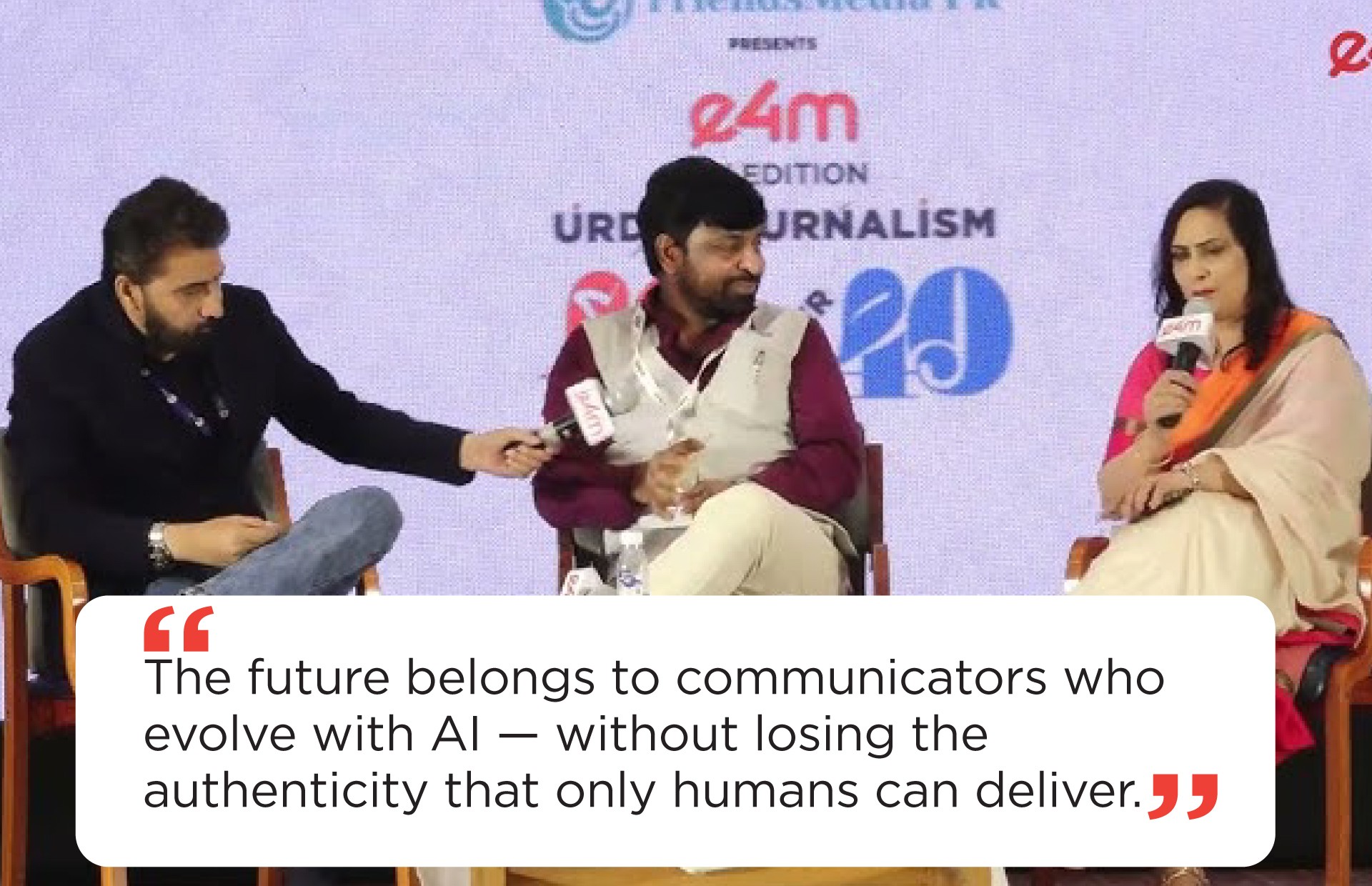
In a company like Syngenta, communication isn’t about amplification — it’s about clarity, credibility, and consistency.
The real impact comes from translating complex science and innovation into honest, human-centric narratives that farmers and stakeholders can rely on. It means listening deeply, addressing concerns transparently, and ensuring information empowers rather than overwhelms.
For organisations like Syngenta, communication is more than a function — it’s a commitment to purpose, responsibility, and partnership. When we communicate with integrity and empathy, we don’t just shape perception — we earn long-term trust.
Could you share some initiatives that exemplified the role of communications as a driver of change in this industry?
Some of the most powerful examples of communication driving real change are those that reshape mindsets, influence policy conversations, support and reach audiences at scale — and I’ve been fortunate to lead a few such initiatives. Dettol Banega Swasth India, fronted by Amitabh Bachchan, transformed hygiene into a national movement and helped bring health behaviour to the forefront of public discourse. “You Are Not Alone,” led by Dimple Kapadia, used dignity-first storytelling to challenge the stigma around leprosy, shift societal attitudes, and spark conversations that supported more inclusive policy thinking. Most recently, Syngenta’s 10,000 km Drone Yatra, where Olympic medallist Vijender Singh joined us on ground, demonstrated how strategic communication can demystify agro-innovation, build trust with farmers, and take technology-led solutions to the grassroots. These experiences reaffirm my belief that when communication is rooted in purpose, empathy, and cultural intelligence, it doesn’t just tell stories — it drives change at scale.
What’s your process for managing high-stakes situations like crisis, a policy shift, or a social narrative that needs to be navigated carefully?
In every high-stakes moment, I go back to the first rule I learned in a newsroom: get the facts, stay honest, and breathe. Whether it’s a crisis, a policy shift, or a sensitive social narrative, credibility is the bedrock — if we lose that, we lose everything. So my process begins with quickly gathering facts, aligning with the right teams, and understanding the full picture before crafting even a single line.
From there, timing becomes the real game-changer. In communications, a few minutes of silence can become its own crisis. The message has to be crisp, transparent, and delivered to the right people at exactly the right time. I rely on scenario mapping, sentiment reading, and regulatory awareness to stay two steps ahead, balancing speed with sensitivity — especially when the narrative touches communities, policy, or reputation.
But the part I hold closest is this: in moments of pressure, communicators are not just issuing statements — we’re safeguarding trust. And that trust is earned through calm judgment, clarity of thought, and the ability to guide the organization through uncertainty with steadiness and purpose.
Where do you see the next major evolution in the role of strategic communicators over the next five years?
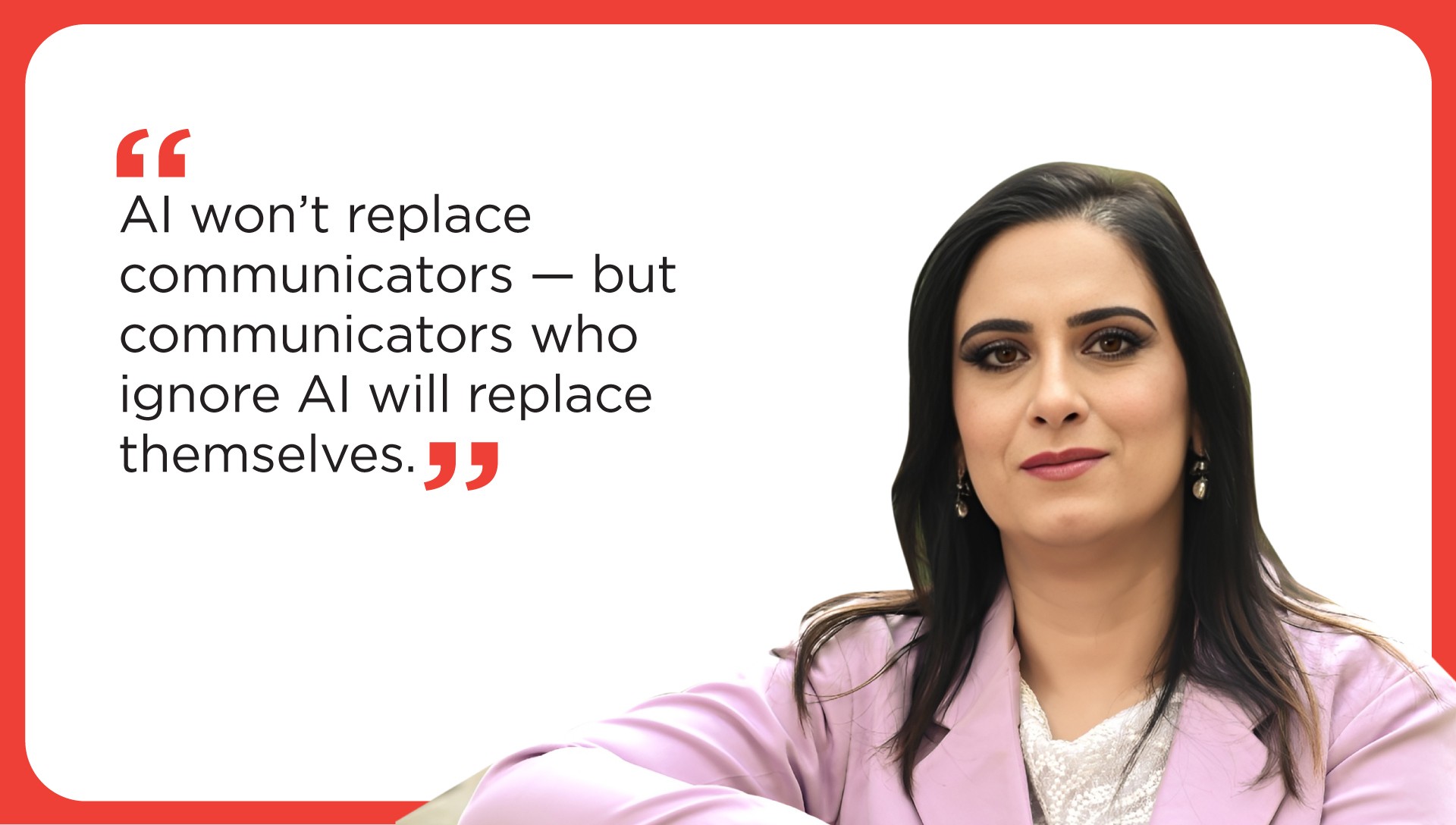
Over the next five years, the biggest shift in strategic communications will come from how we choose to partner with AI. It’s a game-changer — but only if we evolve with it. AI can accelerate insights and execution, but it cannot replace the human ability to read culture, sense emotions, build trust, or craft narratives with purpose and empathy. That’s why communicators must stay curious, learn at pace, and navigate this new era with wisdom and responsibility. The ones who will lead the future are those who balance technological agility with human depth — using AI to elevate, not dilute, the originality and authenticity of their voice.
In short: learn fast, lead with purpose, and use AI to amplify human-led narratives — because in the next five years, the communicators who combine technological fluency with moral and narrative authority will shape reputations, influence policy, and win hearts.
Read more news about PR and Corporate Communication News, Internet Advertising, Marketing News, Digital Media News, People Movement News
For more updates, be socially connected with us onInstagram, LinkedIn, Twitter, Facebook YouTube & Google News