Can FIFA build Zee into India's next great sports brand?
Guest Column: Mohit Mehra, Founder, MCode Ventures, explores why the next broadcast playbook will be written around fan experiences
 by
by
Published: Jul 14, 2026 7:12 PM | 6 min read
 Follow Us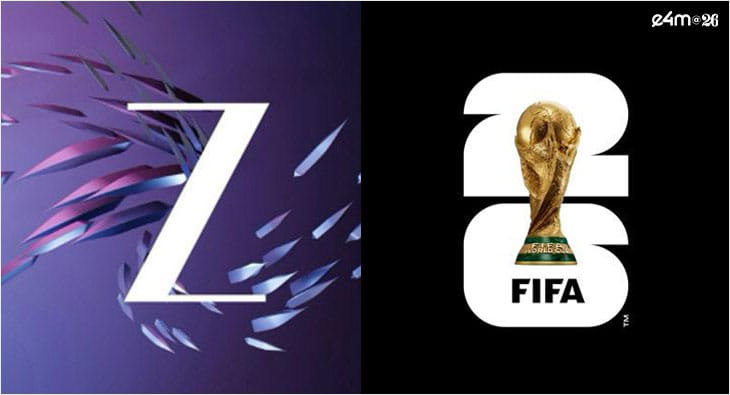

- As the FIFA World Cup 2026 approaches, the focus shifts from traditional metrics like ratings and revenues to the potential for broadcasters to create enduring sports brands through strategic brand building.
- Historical examples in India show that past broadcasters have successfully used the World Cup to establish their identities, with innovative marketing strategies that engaged fans beyond just television viewership.
- Zee, the upcoming rights holder, has the opportunity to redefine sports broadcasting in India by focusing on experience-led revenue models that integrate hospitality, merchandise, and immersive fan experiences.
- The future of sports broadcasting will rely on building rich fan ecosystems rather than merely maximizing ratings, emphasizing the importance of community engagement and personalized experiences in generating long-term value.
As the FIFA World Cup 2026 draws to a close, conversations across the media industry will inevitably focus on television ratings, digital reach, subscription growth and advertising revenues.
Those are important measures of success.
But they overlook a far more significant question.
Can a global sporting event create an enduring broadcasting brand?
History suggests it can.
Over the last twenty-five years, every broadcaster that has acquired the FIFA World Cup rights in India has used the tournament as a platform to establish, strengthen or redefine its sports identity.
Ten Sports announced itself as a credible challenger in 2002. ESPN Star Sports reinforced its leadership through the 2006 and 2010 editions. Sony Pictures Networks used the 2014 and 2018 tournaments to establish Sony SIX as a premium destination for international sport. In 2022, Viacom18 leveraged FIFA to accelerate the emergence of Sports18 while simultaneously redefining digital sports consumption through JioCinema.
Every broadcaster acquired the same tournament.
Every broadcaster wrote a different playbook.
The common denominator wasn't football.
It was strategic brand building.
As Zee prepares to take ownership of the next FIFA cycle, the opportunity is bigger than delivering outstanding coverage.
It is to build India's next great sports broadcasting brand.
Rights Are the Starting Point, Not the Strategy
Media rights create attention.
Brand strategy creates long-term equity.
One of the defining lessons from the 2002 FIFA World Cup was that broadcasters could not rely solely on television promotions to build fandom. Budgets were constrained, awareness of international football was still developing and consumer engagement required a different approach.
At Ten Sports, we asked ourselves a different question.
What if our marketing budget wasn't limited to what we spent, but expanded through partnerships?
Instead of treating pubs, clubs, restaurants and shopping malls as advertising venues, we turned them into strategic allies. We aligned commercial interests so that every partner had a stake in the tournament's success.
For what was perhaps the first time in India, we actively promoted out-of-home viewing as a core part of the sports marketing strategy. Football was no longer just something people watched at home. It became something they experienced together.
We took the FIFA World Cup Final into cinema halls. Giant video walls transformed shopping malls into fan destinations. Pubs and clubs became match-day venues. Long before "fan parks" became part of sports marketing vocabulary, we were experimenting with ways to make football a shared cultural experience.
Perhaps the most important outcome was commercial.
By creating alliances rather than simply buying media, we effectively multiplied our marketing budget without proportionately increasing our spend. Hospitality partners drove footfalls. Retail partners gained customers. Consumers enjoyed unforgettable experiences. Everyone won.
The smartest marketing investments are often those that others help fund.
Building the Broadcast Brand Beyond the Screen
We also believed that fans should leave with more than memories.
They should leave with a piece of the broadcaster.
Branded T-shirts.
Watches.
Footballs.
Merchandise transformed viewers into ambassadors for the Ten Sports brand long after the tournament ended.
Today, merchandise is an integral part of every major sports property.
Back then, it reflected a simple philosophy.
A broadcast brand should exist wherever its fans are—not only where its signal reaches.
Consumers may forget advertising campaigns.
They rarely forget experiences they shared or the brands they chose to take home.
Zee Has an Opportunity to Write a New Playbook
Every FIFA rights holder in India has left behind a different playbook.
Zee now has the opportunity—and perhaps the responsibility—to write the next one.
That playbook cannot rely solely on advertising revenues and subscriptions.
The next phase of sports broadcasting will be built around experience-led revenue monetisation.
Imagine a World Cup where hospitality partners become distribution partners. Shopping malls become fan destinations. Brands curate immersive viewing experiences. Merchandise becomes commerce. Fan festivals become annual properties. Retail, creators, gaming platforms, travel companies and technology partners all contribute to an integrated ecosystem that generates value far beyond match broadcasts.
The question should no longer be:
"How do we monetise the broadcast?"
It should become:
"How do we monetise the fan experience?"
That single shift in thinking has the potential to redefine the economics of sports broadcasting in India.
The 2030 Sports Media Playbook
By the end of this decade, sports broadcasting will look fundamentally different from what we know today.
The winners will not necessarily be the broadcasters with the biggest rights portfolio.
They will be the ones who build the richest fan ecosystems.
The broadcast itself will become just one touchpoint in a much larger consumer journey.
Imagine a fan discovering a match through a creator's content, booking a premium viewing event with friends, purchasing official merchandise through an integrated commerce platform, participating in predictive gaming during the match, earning loyalty rewards from sponsors, and receiving personalised offers for future sporting experiences—all within a connected ecosystem.
That future is closer than many realise.
Artificial Intelligence will personalise fan engagement.
Commerce will become native to the broadcast. Sponsorships will increasingly be measured by transactions and customer lifetime value rather than impressions alone. Data will power deeper relationships between fans, broadcasters and brands.
Communities will become as valuable as audiences.
The most successful sports brands will stop thinking in terms of viewers.
They will think in terms of members.
For broadcasters, this creates an entirely new revenue architecture.
Advertising will remain important, but it will sit alongside commerce, licensing, hospitality, premium memberships, gaming, fan communities, experiential events and data-driven sponsorship solutions.
The question for every broadcaster, league and rights holder is no longer:
"How do we maximise ratings?"
It is:
"How do we maximise the lifetime value of every fan?"
The broadcasters that answer that question will define the next decade of sports media.
A Lesson for Every Sports Property
This thinking extends well beyond football.
Whether it is the IPL, the Indian Super League, Pro Kabaddi League, Ultimate Table Tennis, badminton, motorsport or emerging franchise properties, the challenge remains the same.
Media rights and sponsorship inventory alone will no longer determine success.
The future belongs to organisations that build ecosystems where broadcasters, brands, venues, retailers, technology companies, creators and fans all participate in creating value.
The next decade of Indian sport will not be defined by who owns the rights.
It will be defined by who creates the most meaningful experiences around them.
That requires equal measures of consumer insight, commercial imagination and flawless execution.
At MCode Ventures, this is where we believe the future of sports marketing lies. We enjoy working with rights holders, broadcasters, leagues and brands to uncover opportunities that exist beyond the broadcast—where consumer behaviour, media innovation, partnerships and commercial strategy come together to create sustainable value.
Because the biggest opportunity in sports isn't simply owning the rights.
It's building the ecosystem around them.
Perhaps that's the most enduring lesson the FIFA World Cup has taught India over the last twenty-five years.
Read more news about Television Media, Digital Media, Advertising India, Marketing News, PR and Corporate Communication News
For more updates, be socially connected with us onInstagram, LinkedIn, Twitter, Facebook YouTube & Google News