Organizations as solar systems: An analogy between solar system & organizational structure
Guest Column: Rajesh Srivastava, a business & brand strategist, listener, storyteller and keynote speaker, offers a unique way of viewing at roles and relationships within an organization
 by
by
Published: Nov 20, 2024 2:54 PM | 4 min read
 Follow Us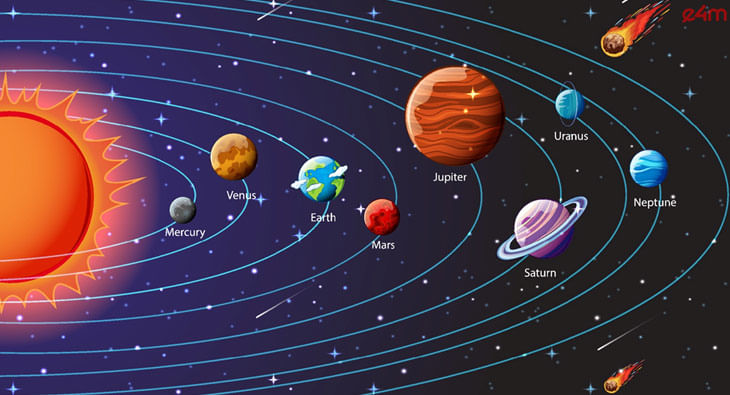

From our school days, we’ve learned about the solar system—a dynamic structure with planets orbiting the Sun, each with unique traits (shape, size, color, and qualities) influenced by its position relative to the core. There are countless solar systems across the galaxy, each with its own complex workings.
Drawing from over 20 years of my professional experience across varied roles, I’ve come to see that organizations often operate like their own solar systems. In this analogy, the Top Management is the “Sun,” with various departments (Planets) revolving around it.
The Sun: Top Management at the Core
In this analogy, Top Management functions as the Sun—the critical source of energy, direction, and influence. Just as the Sun is central to the solar system, Top Management drives the core mission and objectives of an organization. All departments (planets) revolve around this central force, each contributing in its own way, but with varying proximity, impact, and dynamics.
The Inner Planets: Sales and Marketing
Closest to the “Sun” are the departments that experience the greatest “HEAT”—typically Sales and Marketing. These functions are on the frontlines, facing intense pressure and volatility due to their direct link to the organizational goals and market dynamics. Like the planets nearest to the Sun, these departments “SHINE” brightly as the visible faces of the organization, and they bear the highest expectations for performance. They’re constantly under scrutiny, often operating under tight control, much like planets in a compact orbit. This close orbit means Sales and Marketing must always be available and visible as and when needed—ready to respond to the needs of management, customers, or the market, 24/7. This visibility brings both challenges and rewards, making them vital drivers of the business’s external success.
The Outer Planets: Business Enablers
Further out from the core, departments like HR, IT, Admin, Legal, Public Relations, Network Development, Training, Customer Quality and Compliance experience a “cooler” environment. While essential to the organization’s stability and growth, they operate at a safer distance from the day-to-day volatility faced by the inner departments. Much like the outer planets, they play business enabler roles and are not subjected to the same intense pressures having said that these departments are integral to organizational continuity, ensuring that operations run smoothly, yet they are not always in the direct line of “heat” from core decision-makers.
The Middle Zone: Balancing Functions
In the middle are departments like After Sales and Finance, which perform a balancing act between support and direct impact. Their roles are often closely linked to the performance of Sales and Marketing, and they function with a need for adaptability and responsiveness. Positioned at an optimal distance from Top Management, they enjoy a relatively stable environment, allowing them to support both the core and the outer functions without the extremes of intensity faced by Sales and Marketing.
The Unique Dynamics of Organizational Structure
While specific roles and functions may vary depending on the industry and organizational structure, one truth remains constant: departments that orbit closer to Top Management face greater challenges. With that pressure comes a higher level of visibility and often the greatest rewards. On the other hand, departments operating further from the core contribute essential support that keeps the organization grounded and running smoothly, away from the high-stakes demands of the central orbit. However, every department, regardless of its proximity, plays a vital role in the organizational ecosystem. Functions must stay relevant to avoid redundancy (like Pluto).
Conclusion
Reflecting on my experience in Sales and Marketing, I understand both the “HEAT” and the “SHINE.” This analogy of organizations as solar systems offers a unique way of viewing our roles and relationships within an organization. Each department, like a planet, has a purpose influenced by its position relative to the core, and collectively, they contribute to the organization’s health, progress, and stability.
Disclaimer: The views expressed here are solely those of the author and do not in any way represent the views of exchange4media.com.
Read more news about Marketing News, Advertising News, PR and Corporate Communication News, Digital News, People Movement News
For more updates, be socially connected with us onInstagram, LinkedIn, Twitter, Facebook, YouTube & Google News
