How a Rs 100 raincoat disrupted a Rs 750 crore market
Guest Column: Pradeep Menon. M, Co-founder of Blackswan (India) Ideations Pvt. Ltd., tells brands if the price threshold is raised without any product enhancements, customers may seek alternatives
 by
by
Published: Nov 4, 2024 12:38 PM | 5 min read
 Follow Us

Everyone knows about the famous Kerala monsoon. Tourists flock to Kerala from all parts of the world to enjoy the cool climate and heavy rainfall. Those living in Kerala start their preparations to face the monsoon which starts at the end of June every year and extends to several months.
Schools reopen in July's first week and one of the essential items that every household in Kerala spends on is an umbrella or a raincoat.
As per the data available in the major newspapers, raincoat market in Kerala is of more than 250 crores and the umbrella market is of more than 500 crores which combined turns into 750 crores. The major share of the raincoat market in Kerala is now held by a few major brands whereas the umbrella market still has some Chinese imported products which are sold at a low price.
The raincoat that disrupted the market
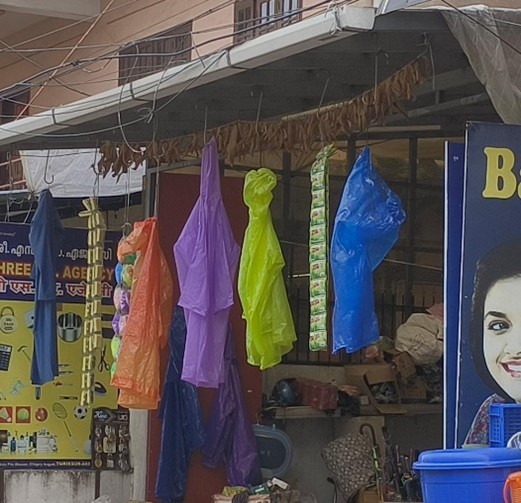
It was at the end of June this year that just like everyone else I too planned to buy a raincoat as it is essential for everyday outing in Kerala during monsoon season. The raincoat price, over the years, has risen so much that the minimum price of a raincoat is Rs. 1500. Then there are several brands and styles to choose from like a full-cover raincoat or a shirt-pant combo and so on. The next day while on the road, I spotted some of the people travelling on their bikes wearing transparent raincoats which looked like plastic-made. And that too raincoat in all range of bright colours. Wondering why so many people bought such a raincoat which looked not that durable, I returned home planning to buy a branded raincoat like last year which would cost around Rs. 1500. The next day early morning the milkman came to deliver milk as usual and here he was wearing the same transparent raincoat. Amused I asked him about the new raincoat and his answer was a revelation. This is a very good raincoat, no stitches so it does not leak and the best part is that it costs only Rs. 100, he said. On further enquiry, he revealed more as though it was a secret “Everyone says it is 3D printed. That is how they can give it so cheap. And moreover, you get them in all colours.” Wow! Here is a customer turned into a brand ambassador. Quite a feat for a new brand. But again, comes the twist, this product has no brand name.
Popular, right, left and centre
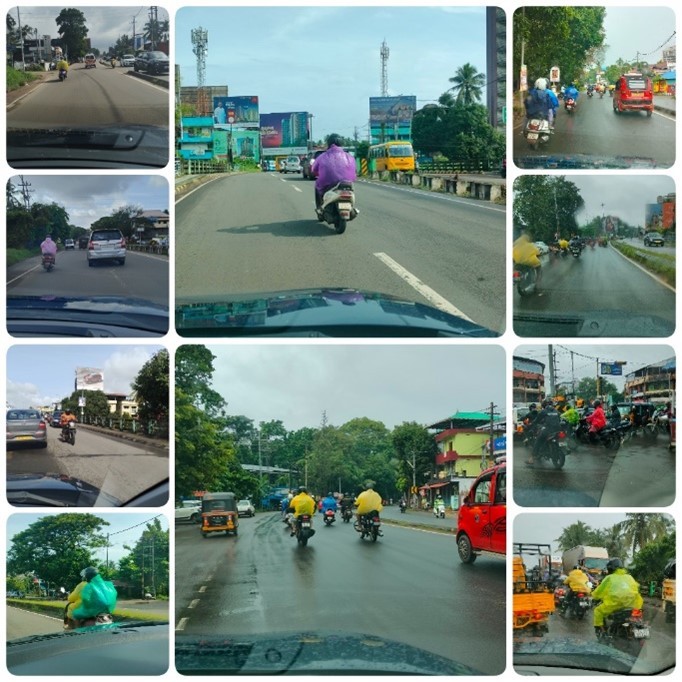
Within days we could see this product at every nook and corner of Kerala. It was available at every shop and even small grocery shops displayed this product in front. It was getting sold in bulk as people bought one for each of the family. Then suddenly it caught up with the students and they wore it while walking on the roads as Kerala rains are unpredictable. Now it must have definitely penetrated the umbrella market. More and more people were seen walking in this raincoat without umbrellas in their hands as this coat could be folded and kept even in your pocket as the material is very thin. Then this raincoat was given away as gifts at major retail stores as a part of providing discounts to customers. A Rs. 100 raincoat has disrupted the entire 700 crore market and that too in very little time.
Lessons for entrepreneurs - Price threshold for products, rapport with your network
Every product has a price threshold in the minds of the customers. When you break that threshold and raise the price of your product without any enhancement in the product value, the customer starts to look for an alternative. The Rs. 100 raincoat have disrupted the entire raincoat/umbrella market, one reason being that the price threshold of an umbrella or a raincoat reached its peak and the customers were looking for an alternative. The second lesson to be learnt is that you have to maintain good rapport with your supply chain like suppliers and distributors or you will lose ground even before you get time to think about what happened in the market. Main brands were so sure about their market that their rapport with the distribution network must have failed. How else can a product without a brand name, without any standardized marks like ISI got a foothold in the market and even flood the market to such an extent that it disrupts the market of all the major brands in the industry? Third lesson, be agile and connected to the end customer to know their minds and be ready for market disruptions which come in all shapes & sizes.
Picture abhi bhi baaki hai bhai. Let us see how this plays out
It will be interesting to watch how the existing brands play out in this competition. As the customers are happy with the new product and even would have stocked it for their future use due to its low price, it won’t be easy for the existing brands to sell their existing raincoats at the existing price. Even if they lower their price, it is almost impossible to match it with Rs. 100. Then comes the problem of excess inventory of the existing products which are bound to make huge losses for the existing brands. Maybe they will find out some way to find loopholes to get the Rs. 100 raincoats out of the market in terms of standardization & quality issues as there is a chance that the plastic used to make these raincoats might be below the allowed minimum thickness levels, which of course is just an assumption at this stage. Till then the customer is the king with a low-price product which meets his/her needs and expectations and even surpasses expectations by substituting one Rs. 100 product (transparent raincoat) for two Rs. 1000 products (a raincoat and an umbrella)
Read more news about Marketing News, Advertising News, PR and Corporate Communication News, Digital News, People Movement News
For more updates, be socially connected with us onInstagram, LinkedIn, Twitter, Facebook, YouTube & Google News
