Air India will have to focus on 2 years of image enhancement: Dilip Cherian
Communications expert Dilip Cherian outlines the steps Air India must take to rebuild its reputation following the crash of its Boeing 787-8 Dreamliner, flight AI171, en route to London
 by
by
Published: Jun 14, 2025 10:47 AM | 3 min read
 Follow Us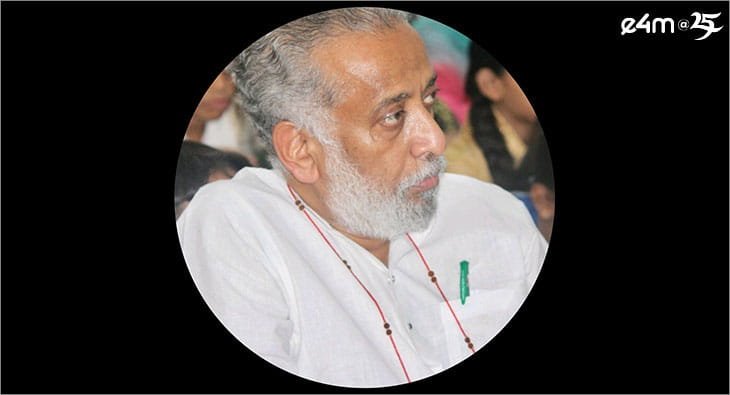

Dilip Cherian, a seasoned communications consultant and political campaign advisor, reflects on the recent Air India crisis. The crash of the Boeing 787-8 Dreamliner, operating as flight AI171 to London’s Gatwick Airport, has shaken public confidence and sparked renewed scrutiny of the airline’s safety and management. According to Cherian, this tragic incident poses a serious image challenge for Air India.
Cherian shares, “Flew into Ahmedabad yesterday for a day-long client meeting just two hours before the massive tragedy of the Air India crash was going to drown that city in grief and the country in sorrow. While it will take a long time to figure out exactly what happened and apportion blame where it is needed, the sad fact is that in that burnt debris and amidst the dead bodies strewn all over the place was also the “image” of Air India that has been trying to soar in the last few years after it was privatized. Pimped up and primed, it indeed was, before this new shitstorm buried it, for now. Even as I exited Ahmedabad with a heavy heart, this was already clear.”
“These have been very tough years for the management, and there is no doubt that the image battering that it has suffered — even if it has been weakly countered from time to time by the communications teams around both Tatas as well as Air India — the damage has been substantial. So far, this was caused by unhappy customers, dissatisfied with the shabby, unkempt aircraft that they were flown in. Heroically, the crew, in the meantime, has been doing a relentless job of trying to keep difficult passengers happy and to make sure that everybody has an enhanced experience — the kind that is expected when a group with the reputation that it used to enjoy took over,” adds Cherian.
The communications expert further notes, “Generous crash compensations have meanwhile been announced with the appropriate levels of empathy mixed in. But there’s no escaping the sense, that Air India will have to focus on 2 years of image enhancement to get back to where its image used to be under government management. Substantial questions of the ‘comms variety’ are still left hanging. Will the company act even before all reports are in? Must top management take responsibility for this tragedy on their watch — irrespective of who was directly responsible or not? How much is plane-maker Boeing going to be blamed as the aircraft manufacturer, and how will that process play out in the public domain, given the global shortage of aircraft supplied currently?”
Cherian asks, “What’s done at the image management level, how litigation landscaping is done, and what actually happens in the company next will be watched very carefully. Inevitably, it will impact how consumers of the future will perceive Air India. That, in turn, will determine the course of this Tata airline. Yes, despite comparisons with other airlines who may have survived almost unscathed after tragedies of similar kinds, these times are different and difficult. In the case of Ethiopian Airlines, after the crash in 2019, the airline’s quick and clear stance — even as Boeing was put in the spotlight — helped it regain significant credibility, especially within the African continent. On the other hand, the fallout from the 2014 disappearance of Malaysia Airlines MH370 was so deep that despite a full rebranding effort, public trust hasn’t really returned fully. Can Air India soar above the curse of this crash?”
Read more news about Marketing News, Advertising News, PR and Corporate Communication News, Digital News, People Movement News
For more updates, be socially connected with us onInstagram, LinkedIn, Twitter, Facebook, YouTube & Google News