Here’s how ‘Metro… In Dino’ integrates brands without disrupting the narrative
‘Metro… In Dino’ integrates brand elements organically, enhancing viewer engagement without compromising the film’s emotional tone
 by
by
Published: Jul 8, 2025 8:45 AM | 5 min read
 Follow Us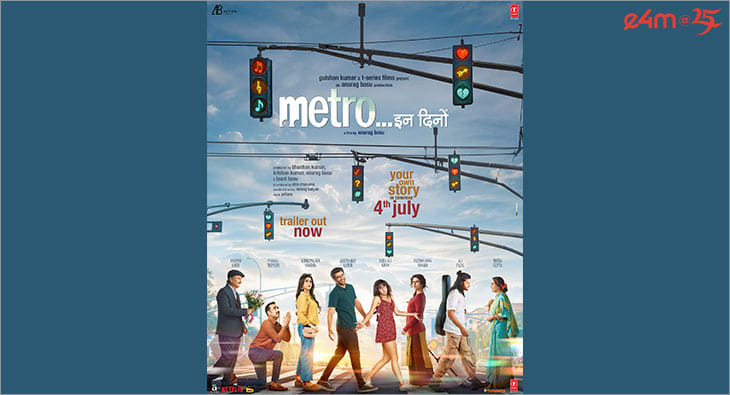

Set against the picturesque backdrops of Bengaluru, Mumbai, Delhi and Kolkata, Anurag Basu’s Metro… In Dino explores modern-day love stories unfolding amidst the pulse and pace of these bustling metros—where the cityscape becomes an integral part of each narrative. Yet, beyond the onscreen drama, a second storyline quietly unfolds: one featuring brands stepping in through deliberate, context-aware collaborations.
The film stars Aditya Roy Kapur, Sara Ali Khan, Pankaj Tripathi, Konkona Sen Sharma, Anupam Kher, Neena Gupta, Fatima Sana Shaikh and Ali Fazal in lead roles. Rather than relying on loud or overt product placements, the movie offers a more refined approach—highlighting how brands can align with narratives that mirror the lives and aspirations of India’s growing urban audience.
A spiritual successor to Life in a... Metro (2007), this installment is visually striking, showcasing sweeping shots of urban India, underscored by Pritam’s music. As four intertwined yet independent stories unfold, brand and product placements make subtle appearances—many woven carefully into the storyline rather than feeling forced.
“While costs vary widely, typical brand integration fees for mid-budget Bollywood films range from Rs 25 lakh to Rs 1 crore, depending on the extent of integration, screen time, and promotional tie-ins,” said N. Chandramouli, CEO of TRA Research. He added that budgets for such films are often more flexible than for large-scale productions, offering nimble brands high-impact opportunities at a manageable investment. “While a brand seeks to maximise visibility, it would be the producer’s prerogative to see that the brand integration is seamless.”
Among the most prominent brand integrations is Google Gemini, featured organically as characters interact with it. A range of automobile brands—Royal Enfield, Skoda, Vespa and Activa—make appearances, with Royal Enfield, in particular, echoing the carefree, wanderlust-driven personality of Kapur’s character.
Sound and audio brands also make an impression. Marshall appears multiple times, a fitting touch given the film’s musical essence. Japanese brand Shure finds its way in as well, with its microphones appearing subtly in several scenes.
Old Monk gets a casual shoutout when a character mentions it by name. There’s Prega News, and even a metro train wrapped in an Imagicaa ad, demonstrating a spectrum of integrations from casual to conspicuous.
The movie also captures local culture through real city settings and establishments. Bombay Coffee House stands out, while a romantic scene in Connaught Place includes recognizable names like Farzi Cafe. South Mumbai isn’t left out either, with quick glimpses of Westside and the Kala Ghoda area, alongside a brief appearance of the Bank of Baroda building. Though not all may be deliberate brand placements, their presence contributes to the realism and urban feel of the film.
Naturally, Meta apps like WhatsApp and Instagram are woven into the storyline, reflecting their integral role in contemporary urban life.
As Chandramouli notes, “Well placed brand integrations offer immersive storytelling opportunities, something traditional advertising seldom achieves. They enable brands to occupy narrative space, lending depth and emotional dimension to their messaging. Moreover, when executed with subtlety, they can enhance Brand Trust by demonstrating relevance and consumer empathy within popular culture.”
Set firmly in today’s metros, the film naturally appeals to brands targeting younger, aspirational audiences. “A metro-centric narrative naturally attracts brands with urban appeal or those targeting the aspirational demographic often associated with metropolitan audiences. These themes also offer brands the canvas to project modernity, innovation, or inclusivity, values that resonate with a younger, urban consumer base,” he added.
Box Office Pull & Nostalgia Factor
The film’s thematic resonance with Life in a... Metro has also opened the door for more emotional and nostalgic brand messaging. “Films that evoke nostalgia often strike a deeper emotional chord with audiences, making associated brand messages more memorable,” Chandramouli added.
When nostalgia aligns with a brand’s identity, the emotional resonance deepens, whether it’s a legacy brand featured in a flashback or a familiar product evoking simpler times. Such associations can foster trust through shared cultural memory.
Metro… In Dino is slowly building box office momentum, earning Rs 16.75 crore in its first three days. However, marketers suggest that the real value of brand integration lies not just in numbers, but in relevance.
“While a strong box office showing can amplify visibility, the real value of brand integration lies in contextual relevance and placement within a natural narrative. Effective brand partnerships are built on strategic alignment, not merely screen time. That said, commercial success does amplify reach, especially on digital platforms where post-release content continues to circulate,” he said.
Atul Mohan, Senior Trade Analyst, added that successful films provide clear advantages to advertisers. “A successful film draws more viewers, and with more people watching, there’s a better chance that these brand placements get noticed and remembered.”
He added that ultimately, advertisers want maximum visibility, and films offer that through sheer reach. But if the movie doesn’t perform as expected, then all that effort might fall short of its intended impact. “So yes, the success of the film does play a crucial role in determining how effective the brand integration actually is,” Mohan added.
Metro… In Dino reflects an evolving approach to brand partnerships in Indian cinema, one less about shouting for attention and more about storytelling synergy. By embedding brands into everyday moments, the film moves toward emotionally resonant integrations where products aren’t just seen, they’re felt.
Read more news about Marketing News, Advertising News, PR and Corporate Communication News, Digital News, People Movement News
For more updates, be socially connected with us onInstagram, LinkedIn, Twitter, Facebook, YouTube & Google News