Dara Singh: When a celebrity’s word meant something
Vikkramm Chandirramani, astrologer, psychic and Founder of Futurescopes, writes on how celebrity endorsements were considerably less sophisticated a few decades ago
 by
by
Published: Aug 21, 2026 11:01 AM | 4 min read
 Follow Us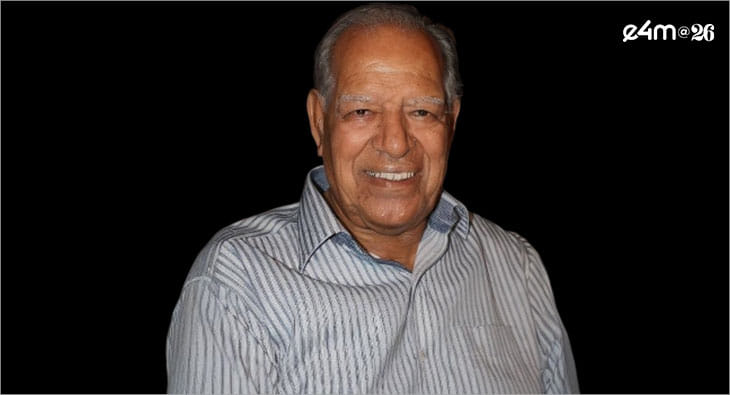

- Tukaram Mundhe, Commissioner of Maharashtra's Food and Drug Administration, issued show-cause notices to actors Shah Rukh Khan, Ajay Devgn, and Tiger Shroff for endorsing Vimal Elaichi, which may constitute surrogate advertising for the banned Vimal Pan Masala in Maharashtra.
- The FDA has requested the actors to cease their involvement in the campaign, remove promotional content from social media, and provide explanations regarding their endorsements.
- The situation highlights ongoing concerns about celebrity endorsements, particularly in relation to products like pan masala and alcohol, and raises ethical questions about the separation of a brand's reputation from its endorsements.
- The article contrasts modern celebrity endorsements with past practices, using the example of Dara Singh, who prioritized product quality and consumer trust over commercial gain, emphasizing the responsibility that comes with celebrity influence.
Tukaram Mundhe, IAS, Commissioner of Maharashtra’s Food and Drug Administration, recently issued show-cause notices to Bollywood stars Shah Rukh Khan, Ajay Devgn and Tiger Shroff over their endorsement of Vimal Elaichi. The FDA has alleged that the campaign could amount to surrogate advertising for Vimal Pan Masala, a prohibited product in Maharashtra. The actors were asked to stop participating in the campaign, remove related promotional material from their social media accounts and explain their position.
The episode has once again brought the contentious relationship between celebrities and advertising into focus. Film stars today are frequently criticised for lending their fame and credibility to brands associated with pan masala, gutkha and alcohol, particularly when advertisements for ostensibly unrelated products are seen as a means of keeping the parent brand visible. The defence is often that the celebrity is endorsing only the legal product being advertised. The larger ethical question, however, is whether an endorsement can really be separated from the reputation and principal business of the brand behind it.
Celebrity endorsements were considerably less sophisticated a few decades ago. Endorsement contracts were smaller, celebrity management was less organised and stars did not routinely appear in campaigns across multiple product categories. Yet an interesting story about Dara Singh illustrates that the question of personal responsibility in endorsements is hardly new.
Dara Singh was one of India's greatest sporting icons long before he became a familiar face in cinema and television. A legendary wrestler who competed against internationally renowned opponents and won numerous championships, he became a symbol of extraordinary physical strength. He subsequently built a successful career as an actor, appearing as a leading man in numerous Punjabi and Hindi films and acquiring a large popular following.
His physique naturally made him an attractive choice for advertisers selling products that could be associated with health, nutrition and strength.
On one occasion, Dara Singh was approached to appear in an advertisement for ghee. The proposition was obvious from a marketing perspective: associate the product with perhaps the most recognisable symbol of physical strength in India. Dara Singh, however, did not simply agree to lend his name to the product.
According to an account later given by his son Vindu Dara Singh, after much persuasion, Dara Singh asked for the ghee to be sent to him first. He consumed it for a month and observed whether its colour changed. Only after satisfying himself about its quality did he agree to appear in the advertisement.
The anecdote becomes particularly striking against the backdrop of today's celebrity endorsement industry. Dara Singh regarded an advertisement as something more than a commercial transaction. If his name was going to persuade ordinary people to spend their money on a product, he wanted to satisfy himself that the product deserved their trust.
There is another revealing story about the legend. Dara Singh also endorsed Atlas cycles because he believed it was a good brand. A consumer later wrote to him saying that he had purchased a bicycle because of Dara Singh's advertisement and that its pedal had broken. Dara Singh was deeply upset. His son had to reassure him that even a good product could occasionally have a defective unit. According to Vindu, had his father known where the customer lived, he would have bought him another bicycle.
Dara Singh understood something about celebrity endorsements that remains relevant decades later: when people buy a product because they trust the person recommending it, the celebrity is lending the advertiser more than a famous face. He is lending it his credibility. That is perhaps the distinction worth remembering amid today's debate over celebrity endorsements and surrogate advertising. Dara Singh did not treat his reputation merely as an asset to be monetised. He treated it as something for which he was accountable. He understood that an endorsement earns you money once, but your reputation has to last a lifetime.
Read more news about Marketing News, Advertising News, PR and Corporate Communication News, Digital News, People Movement News
For more updates, be socially connected with us onInstagram, LinkedIn, Twitter, Facebook, YouTube & Google News
