Consumer Tech — focusing on smartphones, wearables in India
Guest Column: Ramsai Panchapakesan, President - Investments & Partnerships at Havas Media India, shares insights on the evolving consumer tech landscape and India’s wearables market
 by
by
Published: Aug 14, 2025 9:03 AM | 5 min read
 Follow Us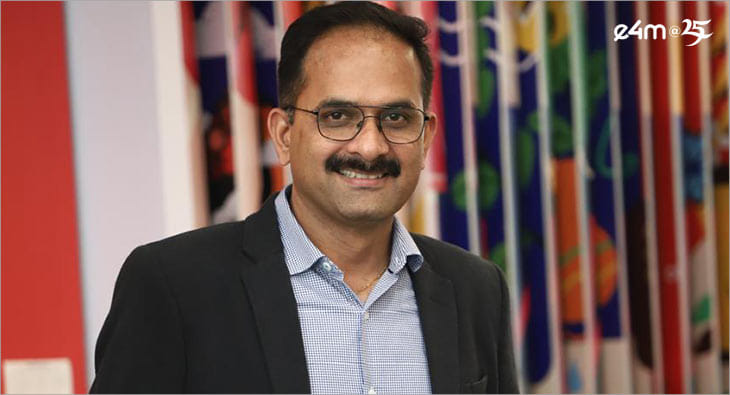

Wearable technology has emerged as a key aspect of modern living, revolutionizing how individuals interact with devices and monitoring their well-being. By integrating advanced sensors, processors, and software, these devices enable continuous data collection and analysis, offering unprecedented insights into health, fitness, and daily activities.
The Indian consumer wearables market is projected to reach approximately INR 58,720 crore by the end of 2025. This remarkable growth is being driven by rising health awareness and rapid technological advancements. In 2024, India accounted for around 3.8% of global wearable technology market revenue, positioning the country as one of the largest and fastest-growing markets globally, third only to the USA and China.
Technology has made consumers increasingly conscious and reliant on real-time data for their daily decisions. Notably, 70% of wearables in India now feature embedded AI, enabling personalized recommendations and more intelligent user experiences.
More than just fashionable accessories, wearables such as smartwatches and fitness trackers are transforming how consumers approach health and fitness, contributing to the broader acceptance of technology in daily routines. Consumer technology has evolved from simple communication tools into a complex network of interconnected devices that enhance everyday life, boost productivity, and redefine human interaction. At the heart of this evolution are smartphones and wearables, two product categories that continue to dominate and reshape the tech landscape. As we move through 2025, new innovations, shifting consumer behaviors, and industry disruptions are defining the next phase of digital living
Smartphones are rapidly becoming AI-first devices. We are currently witnessing the widespread adoption of on-device generative AI features ranging from real-time transcription and summarization to personalized voice assistants and AI-enhanced photography. Many leading brands are now embedding neural engines directly into chipsets to process AI tasks locally, enabling faster response times and enhanced privacy. Total smartphone shipments in India are likely to reach around 150–155 million units in 2025 positioning India as one of the highest-value smartphone markets globally.
Smartwatches and Smart Rings Dominance: Smartwatches remain the leading product segment, while luxury and fashion-forward smart rings are rapidly gaining market share. These devices now track advanced health metrics such as blood oxygen levels, ECG, blood pressure, skin temperature, and stress levels. Medical-grade features are increasingly being approved for clinical use, helping to bridge the gap between consumer wellness and digital health. Meanwhile, true wireless earbuds are evolving into multifunctional hearables, offering real-time translation, environmental sound control, biometric tracking, and even AI-powered companionship.
Consumer technology is no longer just about speed and specs, it's about personalization, well-being, and meaningful experiences. Smartphones and wearables are evolving into extensions of us, powered by AI and contextual intelligence. As the lines between hardware, software, and services continue to blur, the next frontier lies in creating empathetic, ethical, and enriching tech ecosystems that genuinely serve people.
Fast-growing trends in wearable tech in India include smart eyewear and AR adoption, fatigue tracking to enhance athletic training and provide real-time insights, and health monitoring with predictive wellness features. Smart AI-enabled accessories, supported by 5G connectivity, enabling wearables to control environments such as lights, speakers, and coffee makers through seamless integration. Innovations like haptic smartwatches for visually impaired users are advancing inclusivity by offering tactile alerts, health tracking, and privacy-friendly notifications through customized vibration patterns.
Most importantly, the rural adoption of wearable technology has positioned the Indian wearable consumer market as a key growth opportunity for global players. In the medical field, wearable technology has reduced the dependency on in-person consultations, as integrated telemedicine solutions allow rural patients to share real-time health data with specialists remotely cutting diagnostic delays by up to 30% in some pilot studies. Adoption is further supported by government initiatives and the gradual expansion of the digital health ecosystem. This growth is underpinned by increasing internet penetration in rural India, which now reaches approximately 55% of the ~900 million active internet users, enabling seamless device connectivity.
Government programs like BharatNet are playing a critical role by connecting nearly 95% of villages with 3G/4G coverage. The integration of the Ayushman Bharat Digital Mission with wearables has the potential to significantly strengthen India’s e-health ecosystem. Having said a key gap that requires attention is digital literacy, only around 27% of rural users are digitally literate. Furthermore, health literacy and awareness of the benefits of wearable technology among rural populations still require significant improvement.
To conclude, India’s consumer technology landscape is undergoing a significant transformation, led by rapid advancements in smartphones and wearables. Smart devices are becoming AI-first, offering real-time health insights, personalized experiences, and greater connectivity. The wearables market in India is projected to reach INR 58,720 crore by 2025, and INR 79,000 crore by 2030, with smartwatches and fitness bands dominating.
Wearable tech is not just enhancing lifestyles, it’s playing a growing role in economic diversification, digital health, and inclusive and build a digitally inclusive ecosystem. Adoption is rising not just in urban but also in rural India, supported by government initiatives like BharatNet and the Ayushman Bharat Digital Mission, which integrate wearables with healthcare. However, digital and health literacy remain key barriers in rural areas.
Disclaimer: The views expressed here are solely those of the author and do not in any way represent the views of exchange4media.com.
Read more news about Marketing News, Advertising News, PR and Corporate Communication News, Digital News, People Movement News
For more updates, be socially connected with us onInstagram, LinkedIn, Twitter, Facebook, YouTube & Google News