Women in STEM: Why inclusion, integrity and collaboration matter
Magdalena Skipper, Editor in Chief of Nature and Chief Editorial Advisor for the Nature Portfolio reflects on the evolving global research landscape, from women in STEM to research integrity and AI
 by
by
Published: Mar 27, 2026 11:38 AM | 12 min read
 Follow Us

Is science the answer to everything?
“Yes and no. It depends what everything is,” says Magdalena Skipper.
As Editor in Chief of Nature and Chief Editorial Advisor for the Nature Portfolio, Skipper has spent decades shaping how science is communicated globally. A geneticist by training, with a PhD from the University of Cambridge, she has also been a consistent voice advocating for inclusion, research integrity, and mentorship. She also co-launched the Nature Research Inspiring Science Award in 2018 to support early-career women researchers.
For her, when it comes to big decisions including healthcare, national security, agriculture, policymaking, science has to lead, because facts underpin those choices. But she also highlighted that science doesn’t exist in isolation. Conversations are shaped as much by human emotion and context as they are by data. There is science in all answers, she says but for some questions, there is more than science.
We had a candid conversation with her during her recent visit to India in which she talked on the role of women in shaping the future of science, the structural gaps that persist, the promise and risks of AI in the scientific field, what India is doing differently to recognise its talent, why collaboration across borders, disciplines, and generations will define the next era of discovery. In this conversation, she also shares why inclusive research cultures and strong integrity frameworks are essential to ensuring science delivers meaningful impact for society.
Excerpts:
What advantages does a strong pipeline of women scientists give the country in shaping the future of global science?
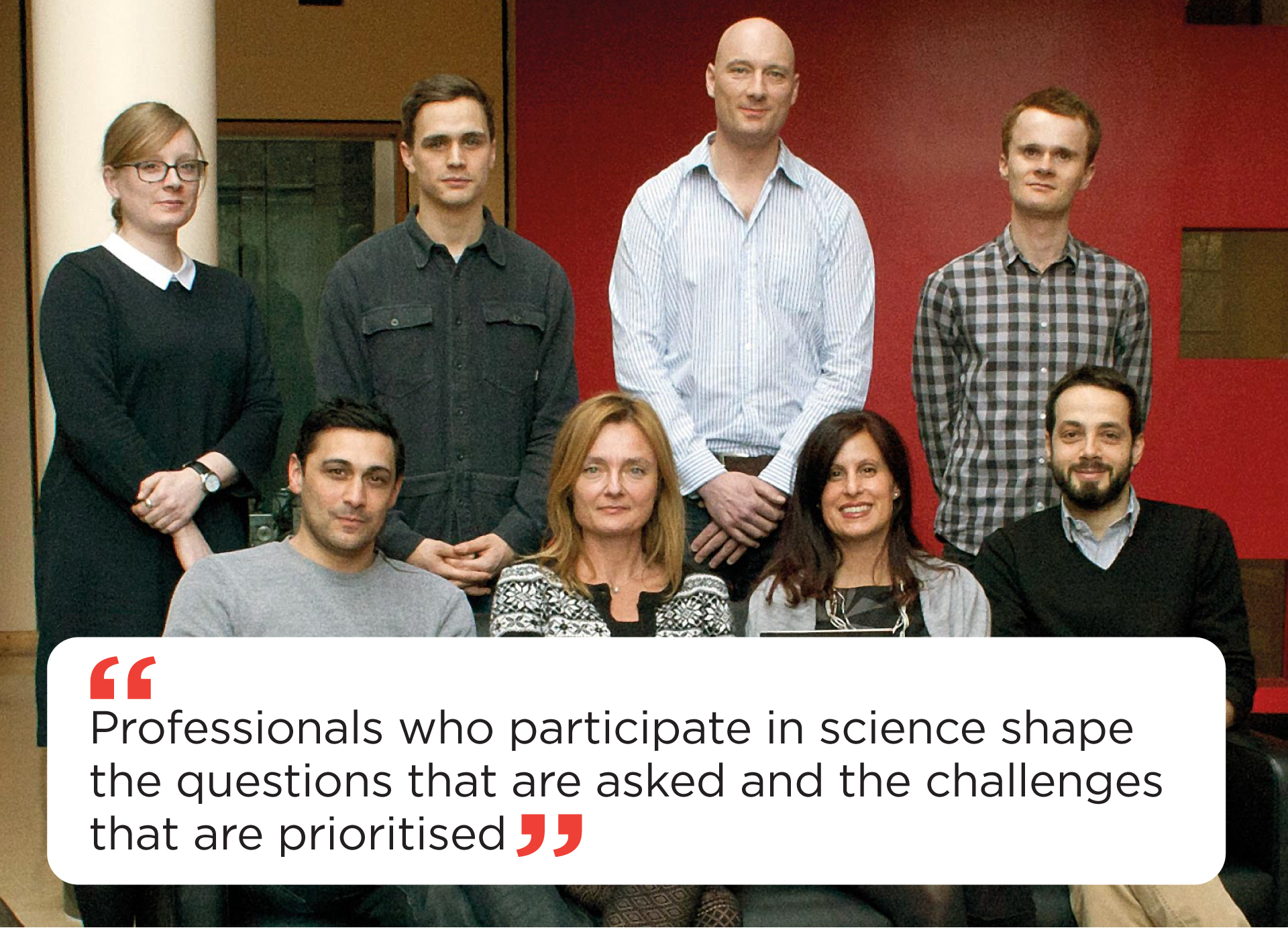
A diverse pipeline of contributors to science is essential because who participates in science shapes the questions that are asked and the challenges that are prioritised. Diversity not only broadens the range of research topics but also brings new perspectives to long-standing scientific questions.
There is already considerable data to suggest that women scientists often approach research through different lenses, and that diversity of perspective is a real strength for the scientific enterprise. Women researchers, and many other underrepresented groups, frequently engage with questions that have strong societal relevance, which can help ensure that research is closely connected to the needs of the community.
When a wider range of voices contributes to science, the knowledge we generate is often more relevant and more readily translated into tangible benefits for society. This is particularly meaningful in the context of India. As a large, growing society that already values science, India has significant opportunities for women researchers to translate their work into real societal impact.
At the same time, India’s strong investment in applied sciences creates a powerful confluence of possibilities.
Since you have decades of experience in the scientific field, how has your journey been? What transformation have you observed, especially for women? And is science still a ‘boy’s club’?
Things have definitely changed!!!
Science is often referred to as a ‘boys’ club’ but Skipper says we need more intentional networks of support among women in science. She believes that we need women to support other women actively by creating opportunities, helping navigate challenges, and mentoring early-career researchers. She quotes Madeleine Albright: ‘There’s a special place in hell for women who don’t support other women.’ I think women need to be more conscious of that.
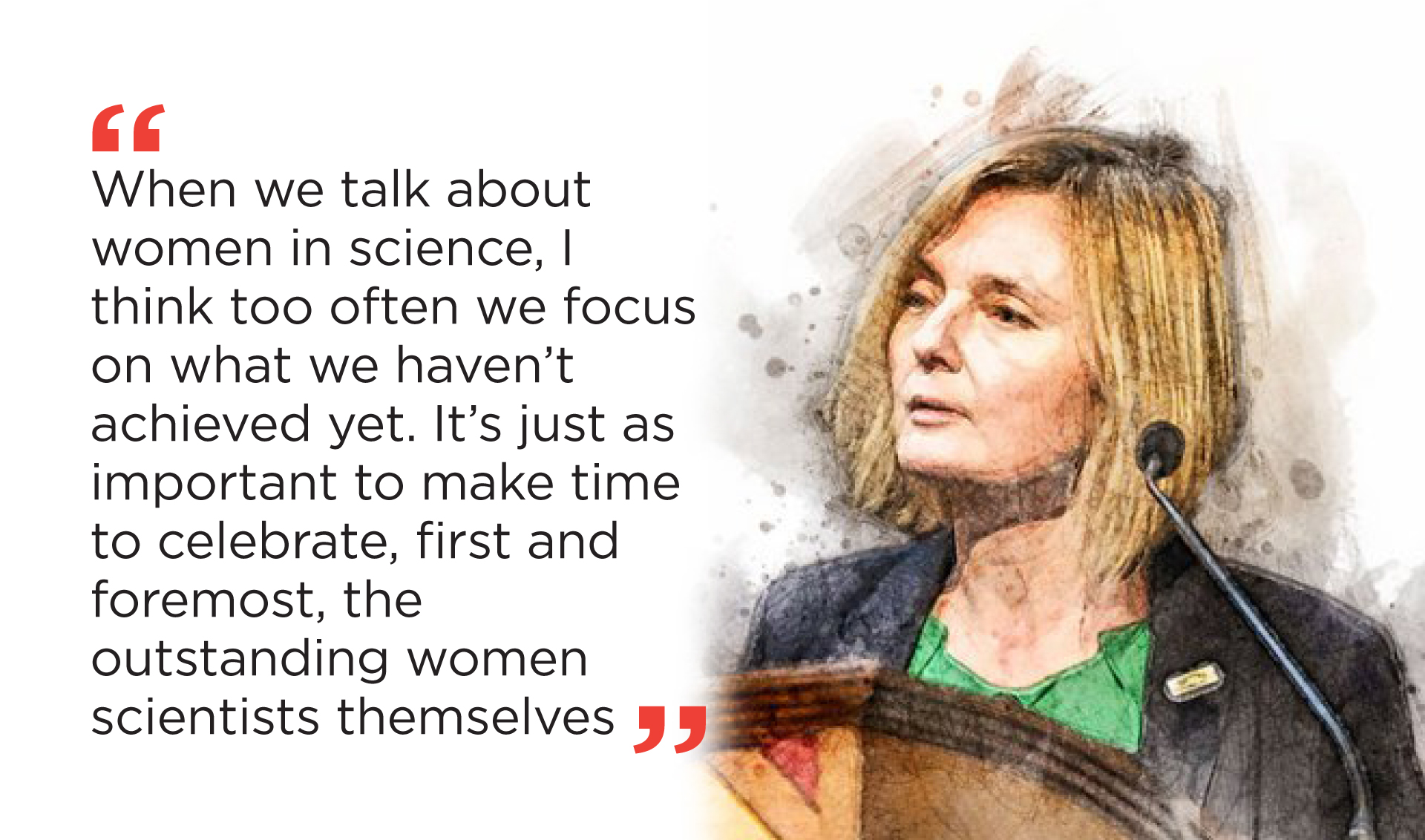
When we talk about women in science, I think too often we focus on what we haven’t achieved yet. It’s just as important to make time to celebrate, first and foremost, the outstanding women scientists themselves.
For example, At Nature, we run at least two Nature Awards specifically focused on women, one in science and one in technology, recognising both early and mid-career researchers. - Initiatives like these help shine a light on achievements that deserve broader recognition.
We should also acknowledge the progress that has been made. Today, around 30% of researchers globally, and by some estimates even more, are women actively engaged in research. That is an important achievement. Of course, the picture is far from uniform across disciplines or regions, and there are areas where we still need to focus our efforts more deliberately.
From my own experience, I’ve observed that there is an increasing appreciation that women bring important and often complementary perspectives to research questions and to research culture more broadly. This also extends to leadership, where a wider range of leadership styles is increasingly being recognised and valued.
More opportunities are being created for women, but visibility remains crucial. Women need platforms where they can talk about their achievements, but also their challenges. Building that visibility is something we, as a community, are actively working to support.
How are leading publications like Nature helping women scientists bring their work forward and increase their visibility?
At Nature, we are very intentional about recognising and supporting women in science as we believe we have a real opportunity to shift the status quo.
We try to do this in several ways. In the research we publish, we ensure diversity among peer reviewers, inviting women across career stages. That intersection between career stage and gender is important, particularly when it comes to supporting early- and mid-career researchers.
We also actively commission female voices so they have a platform to share their perspectives and showcase their work. In our journalism, we prioritise diverse sources, with a strong focus on increasing female representation as experts. Importantly, we track this through anonymised data, because improving representation requires measuring it.
Another important area of focus is scholarship related to women’s health and women’s broader socioeconomic realities, topics that have historically been underfunded and underrepresented. Through both the research we publish and the editorial content we commission, including dedicated special issues, we aim to bring greater visibility and attention to these areas.
Together, these efforts are part of how we try to contribute to a more inclusive and representative research ecosystem.
Despite progress, data from UNESCO shows women make up less than 30% of STEM researchers globally. Why does this gap persist, and what systemic changes are needed?
We must acknowledge that this statistic of 30% representation or any other figures, largely reflect early career stages. By mid- to late-career, that number drops significantly, and that’s where much of our attention needs to be.
Across disciplines and geographies, societal expectations still shape women’s education and career choices. This is why visible role models matter, they help demonstrate that there are many ways to build a life in science. Early encouragement is critical, before those expectations become entrenched. Within the research community, we also need to rethink what we value. For too long, academic careers were assessed through rigid, uninterrupted trajectories. The shift towards recognising career stage rather than biological age is important, especially for women who take time away from work for family.
Finally, we need to recognise different types of scientific contribution more equitably. Historically, fundamental research has often been prioritised over applied or societally relevant work, but that needs to change. Both are essential, and both should be valued.
In many ways, this shift is reflected in Nature’s own evolution, from a focus primarily on fundamental science to a much broader engagement with applied research, engineering, clinical and social sciences. They may be assessed differently, but they are valued equally.
How do you see the relationship between inclusive research cultures and research integrity?
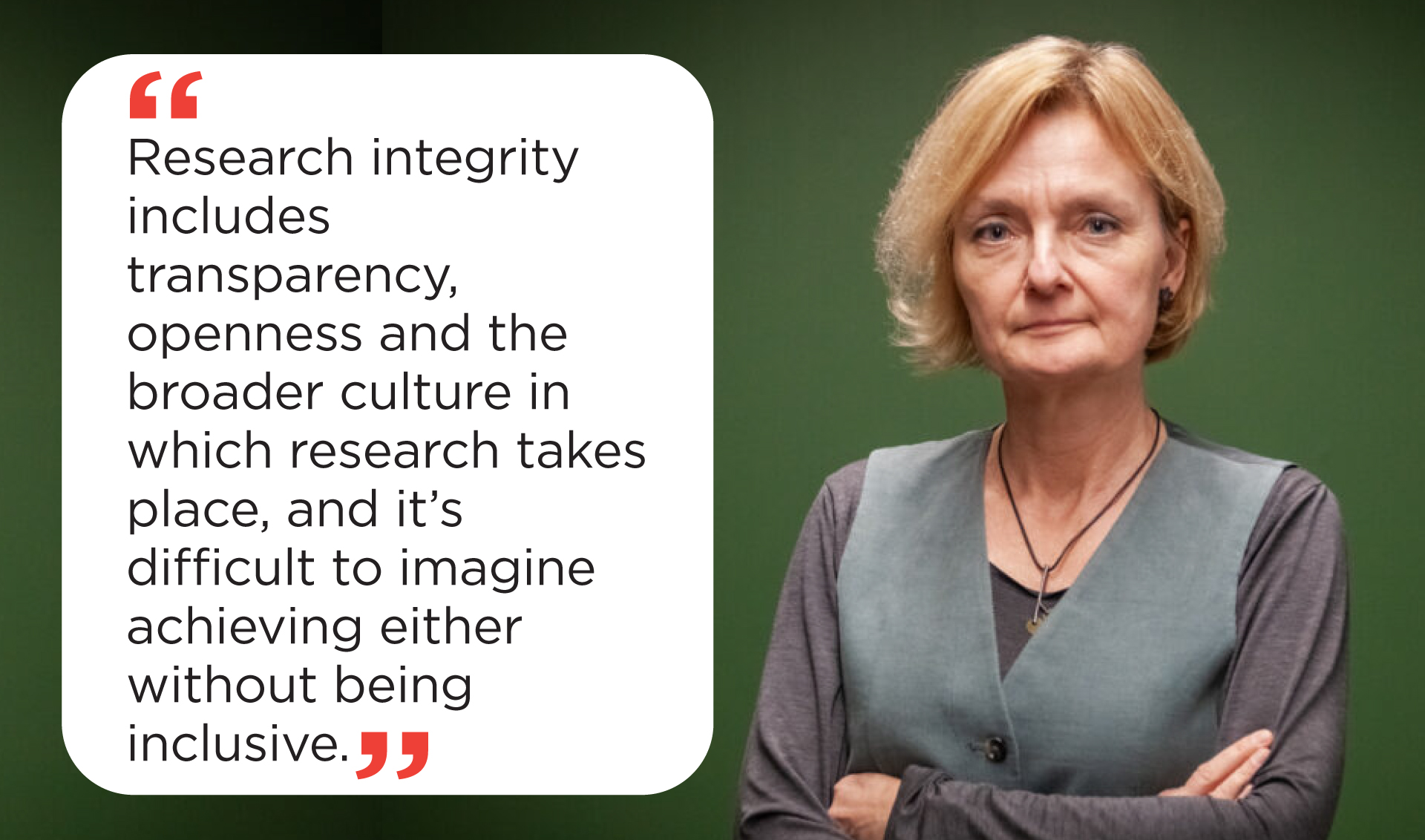
Research integrity is sometimes interpreted quite narrowly, but in reality it encompasses much more. It includes transparency, openness and the broader culture in which research takes place, and it’s difficult to imagine achieving either without being inclusive.
Bringing different voices into science matters because it shapes the questions we ask and the perspectives we bring to answering them. Diverse communities of researchers are more likely to challenge assumptions, approach problems in new ways and share knowledge more openly. For me, these elements are closely intertwined. Science must always be conducted with integrity, but truly robust and trustworthy science is also inclusive. When parts of the community are excluded, the integrity of the research enterprise is inevitably weakened.
This is why research culture, and mentorship within that culture, is so important. They play a critical role in shaping how the next generation of researchers approaches integrity, openness and collaboration.
What lessons can the world learn from Indian researchers, and what can India learn from the global research ecosystem?
What stands out to me about the Indian research ecosystem is the strong sense of pride in its talent. When you speak with researchers, policymakers and funders, there is a clear recognition that India has both remarkable and abundant scientific talent, along with a genuine commitment to nurturing and training it.
That sense of pride is something the rest of the world could learn from India.
Another striking aspect is the emphasis placed on applied science. From large-scale national engineering efforts to practical, frugal innovations that can be implemented locally, applied research is taken very seriously. That focus brings science closer to society, and there is much the global community can learn from that approach.
At the same time, there are areas where India can continue to learn from global practices. For example, in strengthening connections with its scientific diaspora and in further systematising research integrity frameworks. These are shared global efforts, and India has an important role to play in shaping them.
Another is the global effort to systematise research integrity, ensuring that research is conducted in a structured, consistent, and transparent way.
Conducting research systematically may be time consuming, but it is ultimately worth it. Every research community should be part of this shared global effort.
You co-launched the Nature Research Inspiring Science Award for early-career women researchers. What impact has it had so far? What stories of women researchers have stayed with you?
Some of these awards have been running for several years now, while others are more recent. I have the privilege of chairing the jury for both, and reviewing the nominations is genuinely one of the highlights of my year. The women who are shortlisted, and of course the winners, are consistently exceptional.
What is particularly striking is that many of them are not only outstanding researchers, but also deeply committed to supporting other women and girls in STEM.
One early winner, an astronomer of Croatian origin working in Ethiopia, stood out for her remarkable outreach work. Through astronomy, an area of science that naturally inspires curiosity, she engaged young girls in local communities, helping them develop a sense of wonder about the universe while introducing them to scientific thinking. The award enabled her to expand that work through dedicated workshops.
Another example is a researcher and entrepreneur of Iranian origin working in the United States, who has received both the Inspiring Women in Science and the Women in Technology awards. She has used that recognition not only to advance her own work, but also to bring women together and encourage greater participation in technology and the commercialisation of research.
Stories like these really illustrate how recognition can amplify impact well beyond the individual award.
What role does senior leadership play in nurturing future professionals through mentorship?
Mentorship is often thought of as a top-down relationship, but in reality it is much broader and more dynamic.
Peer-to-peer mentorship, for example, can be incredibly powerful, offering support, perspective and shared problem-solving. Equally valuable is reverse mentorship, where senior leaders remain open to learning from more junior colleagues. I have personally found those exchanges to be both insightful and important.
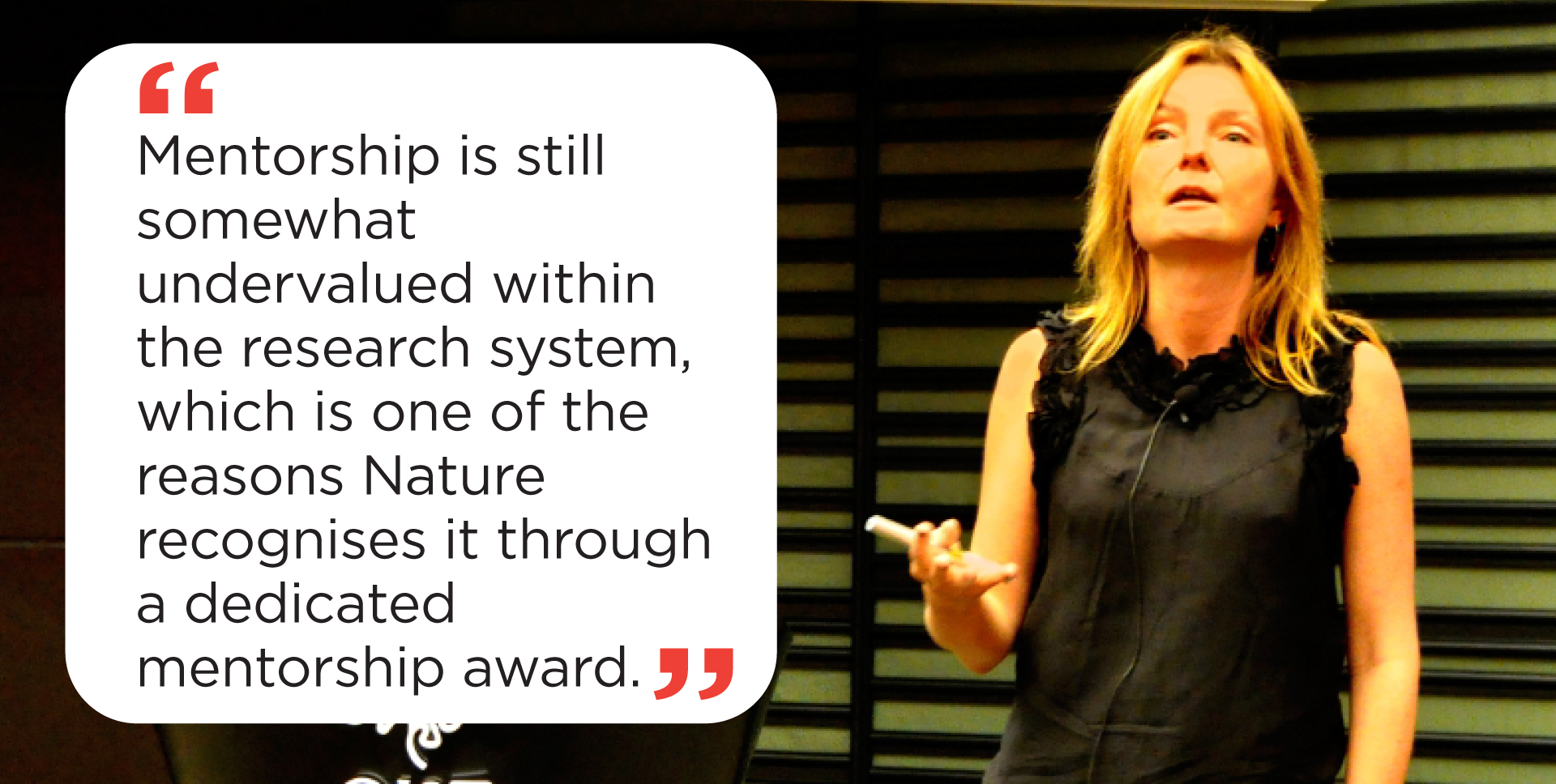
Despite its impact, mentorship is still somewhat undervalued within the research system, which is one of the reasons Nature recognises it through a dedicated mentorship award.
Ultimately, mentorship is less a linear hierarchy and more a network of learning, where people at different career stages exchange knowledge, experience and perspective.
How is AI and automation impacting the scientific field? And what opportunities does it create for future leaders?
.jpg)
Technology, particularly AI, is already having a profound impact on how science is conducted. Many of these tools are being shaped today, often in the private sector and in environments where access to compute power is still quite concentrated. That is precisely why it’s so important that a diverse research community is involved in shaping them. Who sits at the table influences the data these systems are trained on, the languages they represent and the problems they are designed to solve.
At the same time, the opportunity is immense. AI is already supporting many stages of research, from generating hypothesis to designing experiments, and new approaches such as synthetic data and digital twins are opening up entirely new avenues of inquiry.
Researchers therefore need to be involved not only as users, but also as contributors helping guide how they are developed. Like any powerful tool, AI brings both opportunities and risks, but with thoughtful engagement from the research community, its potential for science is immense.
What skills should young researchers develop to succeed? And what can leaders learn from younger generations?
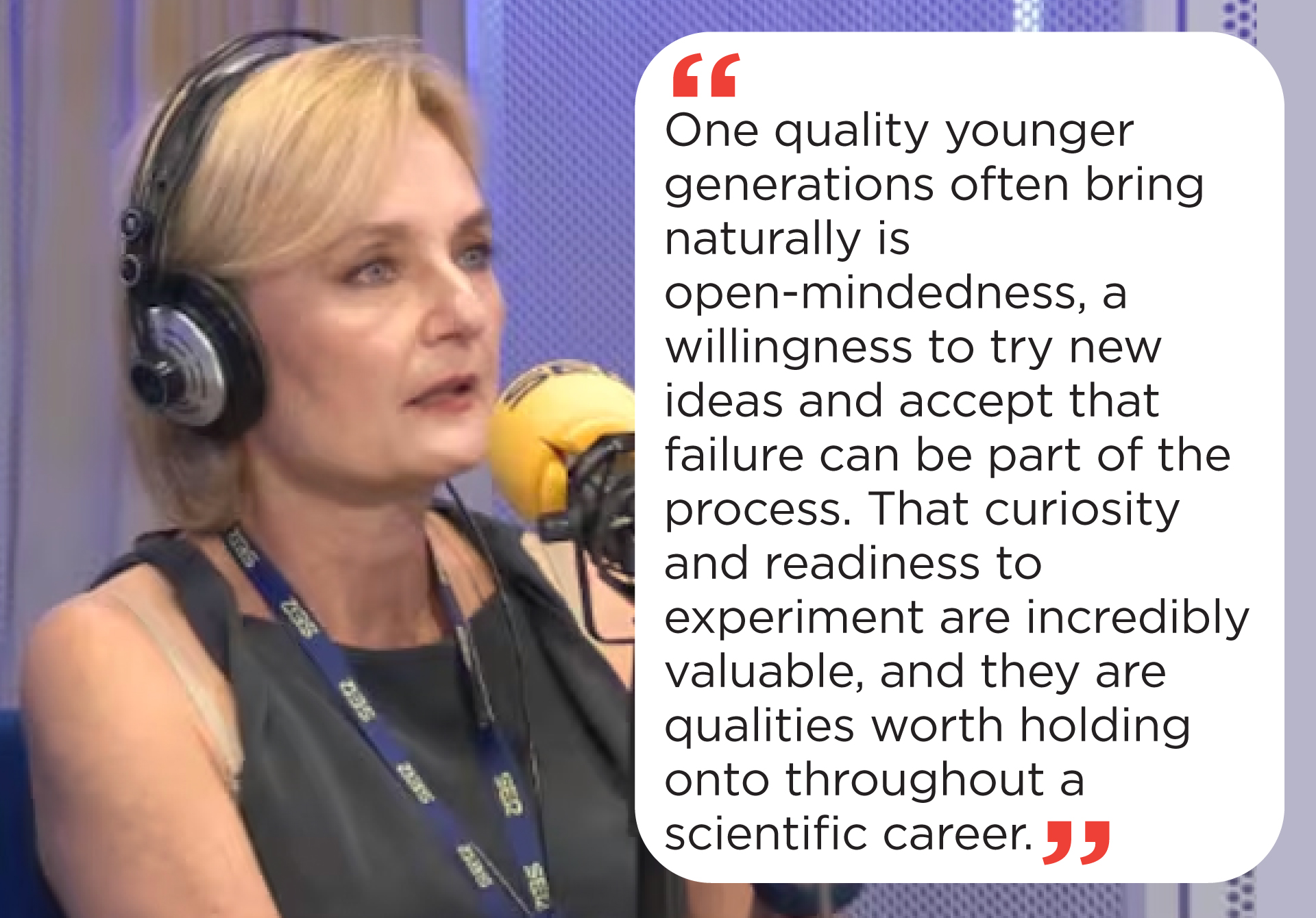
My advice would be to remain calm and not be afraid of failure. Taking risks is often where the most meaningful discoveries emerge, and learning to fail can be an important part of progress. Collaboration is equally important, across disciplines, sectors and borders.
New partnerships, including with the private sector, are creating exciting opportunities, and tools such as AI are becoming an integral part of the research landscape. The key is to use them thoughtfully, while maintaining your own scientific judgment.
Lastly, if the opportunity arises to study or work abroad, take it. International experience broadens perspectives and strengthens both the individual researcher and the global research community.
Read more news about PR and Corporate Communication News, Internet Advertising, Marketing News, Digital Media News, People Movement News
For more updates, be socially connected with us onInstagram, LinkedIn, Twitter, Facebook YouTube & Google News
