Listening patterns are changing, but radio is here to stay: Sharat Bhattatiripad
Radio veteran Sharat Bhattatiripad speaks to e4m on the evolution of the radio industry, growth of podcasts, role of AI in content creation and more
 by
Published: Nov 27, 2026 9:21 AM | 5 min read
 Follow Us
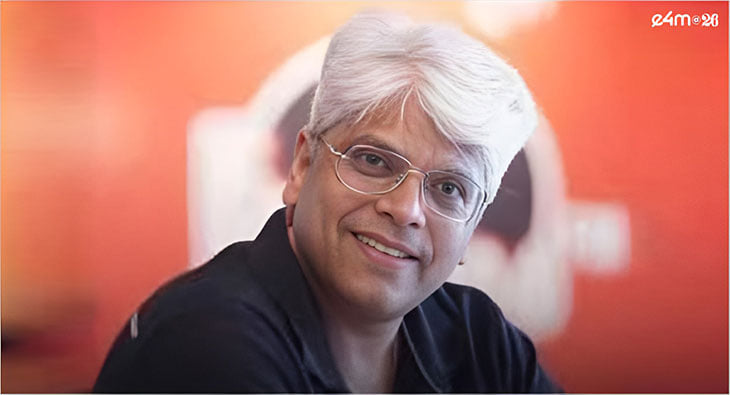

- Sharat Bhattatiripad, a veteran in the radio industry, discusses the evolution of radio and its adaptation to digital content, emphasizing the continued relevance of authentic voices in the changing media landscape.
- He highlights his journey from radio to podcasting, noting the importance of purpose-driven initiatives and storytelling during his time at Fever Network, and how this led to his entrepreneurial ventures in podcasting.
- Bhattatiripad addresses the challenges facing radio, including technological disruption and changing listening habits, while expressing confidence in the medium's enduring appeal for real-time information.
- He emphasizes the growing popularity of podcasts in India, driven by a demand for diverse content and information, and advises aspiring podcasters to embrace authenticity and uniqueness in their approach.
As radio adapts to changing listening habits and podcasts compete for attention, radio industry veteran Sharat Bhattatiripad believes authentic voices will continue to find an audience. In a conversation with exchange4media’s Ruhail Amin, he discusses his journey from radio to podcasting, the rise of AI and what creators need to stand out.
Edited excerpts:
How has radio changed since you entered the industry?
When I joined Radio Mirchi as a copywriter, radio was one of the coolest things happening in the media ecosystem, especially in smaller cities. It was fun, quirky, authentic and full of young people. It attracted a lot of talent.
Over time, Indian radio evolved. Advertisers came in, and personal brands emerged around radio jockeys. RJs were among the original creators: they built connections with audiences well before the creator economy became what it is today.
With the arrival of social media, radio brands have also had to pivot. They are no longer just running radio programmes; they are doing events and creating videos, podcasts and other digital content.
You spent several years at Fever Network. What stood out during that journey?
The most satisfying work for me was purpose-led radio. Radio has always been good at humour and storytelling, but I felt it also had the power to bring a city or a nation together around an issue.
At Fever, we started initiatives such as Bharat Positive and Fever Voice of Change. One campaign, Ambulance First, encouraged people to make way for ambulances. We brought celebrities from different fields on board to help spread the message.
We also worked on initiatives involving acid attack survivors and ran a campaign encouraging people to move away from single-use plastic. The idea was to address important issues with flair and make them engaging rather than preachy.
What prompted your move away from radio?
While working on these initiatives, I realised that one of my strengths was telling stories and listening to people’s stories in an engaging way.
MyGov approached me to host a programme associated with Pariksha Pe Charcha. That was among my first experiences in front of the camera. After that, I was asked to conceptualise and host a podcast, which marked the beginning of my podcasting journey.
It also became an entrepreneurial journey because my company has been producing the podcast. We began getting other projects in the space as well.
Radio remains my first love. I have taken a strategic pause, but when I have more time, I would like to do something meaningful in radio again.
Is radio at a crossroads? What are the challenges facing the medium?
Like every other medium, radio is dealing with technological disruption. Listening patterns are changing, and the range of content available to audiences has expanded significantly.
Radio businesses may need to review costs and realign their teams because the skills required are changing. But I believe the industry is here to stay. When people are on the move, they still want to know what is happening in their city, here and now. Audio continues to have a place in their lives.
What is driving the growth of podcasts in India?
There is a growing appetite for information. People want to learn new things, improve their skills and understand the world around them. They know that a great deal of information is available online, and podcasts have become one way of accessing it.
Entertainment remains important, of course, but audiences are also open to different kinds of storytelling. You can have a long travel podcast where people experience a place at a slower pace. Tastes are becoming more varied, and that creates room for different kinds of content.
I think journalists with deep knowledge and information can also find an audience in podcasting. The space will continue to evolve, even as platforms and algorithms change.
What is the biggest challenge for independent podcasters?
The first challenge is often fear. People look at the podcasting space and feel it is already too crowded. They wonder what they can offer.
But successful creators have often entered crowded spaces and found something distinctive to say. Your first attempt may not work, but as you keep experimenting, you begin to find your niche.
My advice would be to identify what makes your perspective or style unique. Test your ideas with a small group, put your content out and pay attention to audience feedback. The comments section can be a useful dashboard: people will criticise you, but they will also tell you what is working.
What lessons from radio have helped you as a podcaster?
Radio taught me how to use my voice and express emotion, but the biggest lesson was authenticity.
If you have a sore throat while hosting a radio show, you can acknowledge it and even ask listeners for their remedies. You do not have to pretend everything is perfect.
That applies to podcasts and digital content too. Audiences can tell when you are performing and when you are being yourself. Being comfortable with your own style, including pauses and moments of silence, can make a conversation more authentic.
How can artificial intelligence change audio and content creation?
AI can help creators execute ideas faster. Earlier, an idea could require a larger team and several rounds of coordination before it took shape. AI tools can help with tasks such as writing copy, creating voiceovers, researching a guest and preparing questions.
That can shorten turnaround times and make it easier for individuals and small teams to produce content. I also see an opportunity for people to use these tools to become entrepreneurs.
Are brands beginning to recognise the value of podcasts?
Yes. Brands are looking for authenticity, and podcast creators often build their audiences through trust and genuine conversations.
Audiences understand when a celebrity is being paid to endorse a product. Podcasts give brands another way to communicate what is distinctive about their products through creators who have built a connection with their listeners.
Brands are also starting their own podcasts and exploring the strengths of different podcasting platforms. As more established media platforms and businesses enter the space, it reflects the growing importance of the medium.
Read more news about Radio Media, Digital Media, Television Media, Marketing News, Advertising India
For more updates, be socially connected with us onInstagram, LinkedIn, Twitter, Facebook YouTube & Google News