Operation Sindoor: Instagram profiles of Hania Aamir, Fawad Khan, Mahira Khan blocked
Prominent Pakistani celebrities, including those mentioned above, who were once central to high-value campaigns, now find their social media accounts restricted in India
 by
by
Published: May 9, 2025 1:34 PM | 4 min read
 Follow Us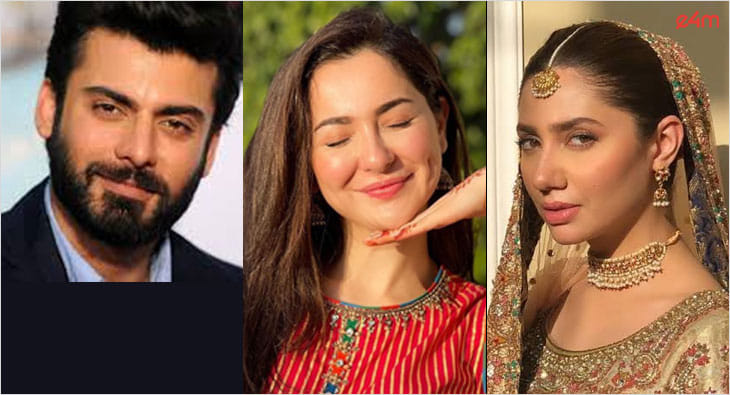

In recent years, top Pakistani celebrities have been at the center of high-profile collaborations with Indian and global brands, focusing on key consumer sectors like luxury, beauty, fashion, OTT, and tech. From Fawad Khan to Mahira Khan, these celebrities were driving campaigns aimed at India—one of the world’s fastest-growing consumer markets.
Fawad Khan, who recently starred alongside Vaani Kapoor in the Hindi film Abir Gulaal, was the face of Zee5, Amrapali Jewels, and Oppo India. His undeniable charm and pan-India fan following made him a trusted name for brands eager to combine cinematic appeal with modern-day relevance. His endorsement portfolio includes big names like Suzuki Vitara, Pepsi, Samsung, LUX, Clear, Lays, Bold, and Nestlé, among others.
Atif Aslam, another Pakistani music sensation, featured in an advertisement for the ICC Men's Champions Trophy 2025, where he also sang the official tournament anthem Jeeto Baazi Khel Ke. A longstanding figure in India’s music scene, Atif also endorsed Coke Studio—a platform that has become culturally iconic across borders.
Hania Aamir, known for her youthful and fashion-forward image, struck deals with prominent brands like Vogue India, Netflix, Speed Records, Jimmy Choo, Sunsilk, Manish Malhotra Beauty, Garnier India, and Maybelline. Her content was specifically curated for India’s beauty-conscious Gen Z audience.
Mahira Khan, who was filming with Bollywood’s Salman Khan, fronted global brands such as Cadbury Dairy Milk, Christian Louboutin, Jimmy Choo, Versace, Swarovski, and Tiffany & Co. Many of these brands launched integrated campaigns aimed at the Indian market.
However, these high-profile celebrity-led marketing efforts abruptly halted after the deadly terror attack in Pahalgam, Jammu and Kashmir, which claimed 26 lives. In response, India initiated a major crackdown on Pakistani digital presence, leading to disruptions in the creator economy.
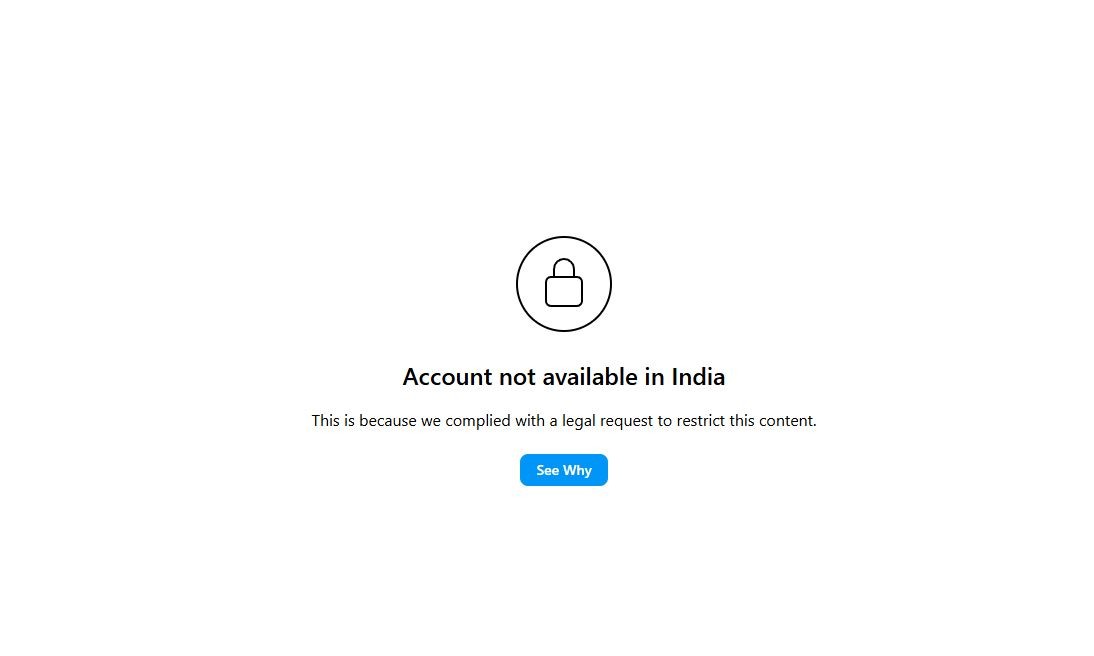
Several prominent Pakistani celebrities, including those mentioned above, who were once central to high-value campaigns, now find their social media accounts restricted in India. This digital blackout has caused massive losses for the brands they represented.
With the sudden and politically charged disruption, industry experts are raising critical questions: How much financial loss have Indian brands incurred from campaigns that are now dark? Could this disruption affect older brand associations or damage brand perception over time? Should Indian and global brands reconsider endorsements involving celebrities from politically sensitive regions?
Ayush Shukla, Founder of Finnet Media, called it a "market wipeout."
“30-40% of their digital reach—gone overnight. India was one of the biggest drivers of traffic for Pakistani creators across YouTube, Instagram, Spotify. Fewer Indian views means fewer ad dollars. Lower engagement means fewer brand deals. We haven’t just muted them—we’ve choked their monetization engine,” he said.
The freeze has ramifications beyond borders. International brands that had once identified Pakistani creators for their South Asian appeal are reconsidering partnerships.
“No Indian eyeballs, no international brand money,” Shukla said. “Global brands want creators with pan-regional appeal. Without India, most Pakistani influencers lose their Tier 1 status. They go from being ‘South Asian icons’ to just ‘local celebrities’—instantly.”
Shukla said the shift marks a broader cultural reset. “This is soft power being pulled back. For years, we gave away culture, attention, and trend equity. No more riding Indian fandom to global relevance. You don’t get to grow your stardom in a country you can’t stand for. The equation is simple—no access, no amplification.”
Viren Vesuwala from White Rivers Media, noted that the appeal of Pakistani influencers for Indian brands was driven by a potent mix of cross-border relatability and digital glamour. “Their aspirational quality, especially for fashion and beauty-led campaigns, was gold for Gen Z and millennial buyers. But when access is lost so suddenly, engagement nosedives and momentum stalls. It’s a direct hit on brand building,” he said.
Brands, he added, are now recalibrating. Indian influencers, with their hyperlocal content and deep cultural resonance, are emerging as more dependable ambassadors. “Homegrown creators aren’t just filling gaps—they’re setting new benchmarks for authenticity and creativity,” Vesuwala said.
While the disruption has left marketers scrambling, it also marks a pivotal shift in the influencer economy. The focus is shifting away from glamour-driven campaigns toward hyper-local trust, cultural alignment, and political awareness.
For brands, the message is clear: when visibility depends on unstable borders, it may be time to invest closer to home.
Read more news about Marketing News, Advertising News, PR and Corporate Communication News, Digital News, People Movement News
For more updates, be socially connected with us onInstagram, LinkedIn, Twitter, Facebook, YouTube & Google News