The Zing Thing That Rediffusion Built
Guest Column: Dr. Sandeep Goyal, Chairman of Rediffusion, recounts the process that went into "The Zing Thing" campaign and how Gold Spot became the most popular "uncola" of its time
 by
Published: Nov 26, 2026 11:29 AM | 3 min read
 Follow Us
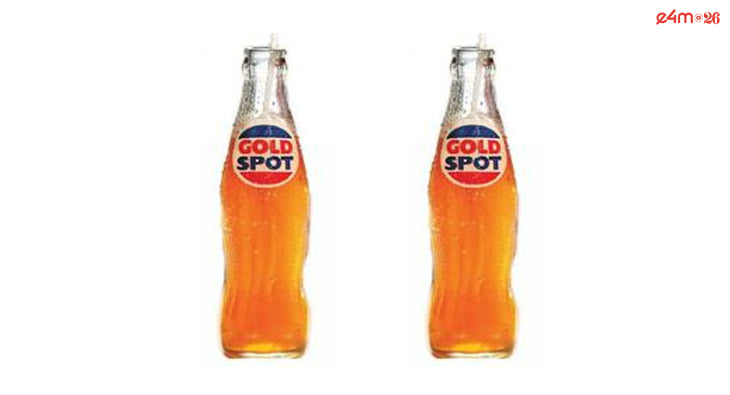

- On November 25, 2026, Coca-Cola India announced the return of Gold Spot after 26 years, introducing it in a low-sugar can available initially through quick-commerce platforms.
- Gold Spot, originally created by Parle in 1952, was phased out by Coca-Cola in 2000 to make way for Fanta, as both drinks served similar markets.
- The brand was repositioned in the 1980s to appeal to older consumers, moving away from its image as a children's drink through a successful advertising campaign by Rediffusion that emphasized a youthful, modern lifestyle.
- Gold Spot became a cultural icon in India, known for its catchy jingle and association with a trendy, youthful attitude, making it a popular choice among consumers.
On 25 November 2026, Coca-Cola India officially announced what had been leaking all weekend — Gold Spot is returning after 26 years, in a low-sugar can, sold first only on quick-commerce.
THE DRINK THAT WAS KILLED TO SAVE FANTA
Gold Spot was born in 1952, created by Parle — Ramesh Chauhan's company — and named after Parle's Gold Star peppermint. It was sweet, tangy, very orangey, with a tingle at the end that stayed on your tongue. It tasted good even when it wasn't ice-cold, which in 1970s India, with no fridge in most homes, was a superpower.
By the late 1970s, after Coca-Cola exited India, Parle owned the market: Thums Up, Limca, Maaza, and Gold Spot. Together they were India.
In 1993, Coca-Cola came back and bought the whole lot from Chauhan for a reported $40 million — Gold Spot, Thums Up, Limca, Maaza, Citra, Rim Zim.
Thums Up survived because Coke had no cola that strong. Limca survived because Coke had no lime-lemon like it. Gold Spot did not survive because Coke already had Fanta. Same category, same colour, same job.
So in 2000, Coca-Cola phased out Gold Spot to make way for Fanta. The most Indian orange drink was killed to make room for the American orange drink.
For 26 years, it lived only in memory — and in the jingle.
THE ZING THING: HOW REDIFFUSION MADE IT COOL
Gold Spot's first life was as a kids' drink. The early ad — "Livva Little Hot, Sippa Gold Spot" — sung by Usha Uthup, written by Kersy Katrak, directed by Shyam Benegal, shot by Govind Nihalani — was for birthday parties. You drank it in a row of glasses at a friend's house.
By the mid-80s, that was the problem. Rasna was eating the kids' market. Parle needed Gold Spot to grow up.
It moved the brand to Rediffusion — Diwan Arun Nanda, Ajit Balakrishnan and Mohammed Khan's agency, founded in 1973 — with a very clear brief: detach Gold Spot from everything that identified it as a children's brand.
Copywriter Kamlesh Pandey — and in some retellings, creative group head Surendra Rao — crafted the line that would define it: "The Zing Thing." The zing was literal: that tingly, tangy bite at the end of a sip.
Director Prahlad Kakkar, music director Louis Banks and the Rediffusion team then made films that looked nothing like Indian advertising before them. They were modelled on Grease — stylish, Western-influenced, peppy, with young, fashionable men and women jiving, skating, driving, laughing, with an 'I-don't-care' spirit.
The jingle's simple message was: He is crazy about me, and she is crazy about me, and both are as crazy as they are for Gold Spot.
And yes — in that swirl of fresh, young faces, a very young Salman Khan was one of the models who appeared in those early Gold Spot films, before Maine Pyar Kiya made him a star. That is why the campaign feels like a different generation to anyone over 45: it was the first time Indian advertising showed teenagers not as children, but as cool.
It worked. Gold Spot stopped being "that orange drink for kids" and became the most popular "uncola" of its time. It became a badge. To be seen with a Gold Spot was to be seen as modern, as young, as zingy.
That is why people still sing the jingle before they can describe the taste. Rediffusion did not sell a drink. It sold an attitude.
Disclaimer: The views expressed here are solely those of the author and do not in any way represent the views of exchange4media.com.
Read more news about Marketing News, Advertising News, PR and Corporate Communication News, Digital News, People Movement News
For more updates, be socially connected with us onInstagram, LinkedIn, Twitter, Facebook, YouTube & Google News